

Introduction: Who Really Uses These Machines?
Who decided that faster is always better when the tissue comes out soggy or folded like origami? I watch plant floors and end users, and the gap between a promising wet tissue machine and a usable one is often laughably wide. The machines hum, PLC lights blink, servo motors twitch, yet consumer returns and shelf complaints climb (we logged a 12% return rate in one study I read last month). So here’s the punchline: how do we make machines that respect both line operators and shoppers — not just specs?
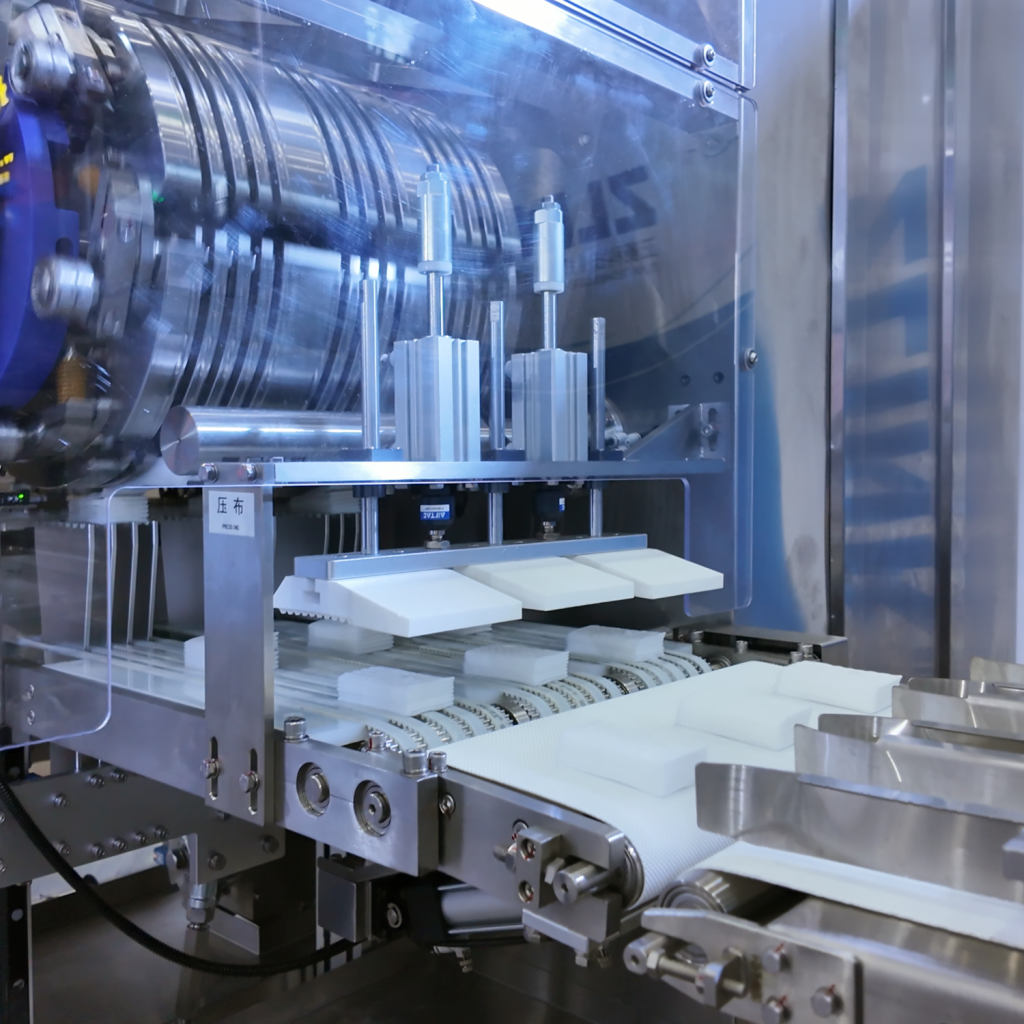
I am a bit critical, yes. I think design should center the person, not the benchmark. That means asking simple questions: who touches the roll, who inspects the package, who uses the wipe at 3 a.m.? The data is oddly clear: process mismatch creates waste, downtime, and bad user moments. — funny how that works, right? Let me walk through the real frictions next.
Deep Flaws and Hidden Friction in Personal Care Wipes Production
personal care wipes look easy to make until you stand beside a converting line at midnight. I’ve seen lines where tension control was set for speed, not stability, and the web creased. The result: misfeeds, torn sheets, and heavy rework. Look, it’s simpler than you think — small motions add up. A direct view shows the classic flaws: inconsistent moisture distribution from poor moisture sensors, weak sealing heads that lead to leak complaints, and cutting die wear that ruins cut quality.
What’s breaking on the floor?
Let me be blunt. Operators curse when the servo motor stutters. Maintenance groans when the PLC alarms say “format error.” Engineers argue about upgrade costs. Meanwhile the brand takes the hit at retail. The hidden pain points are not sexy: jittering conveyors, ugly package folds, variable wetness across a roll. These problems increase scrap and erode brand trust. I admit I get irritated when suppliers sell “performance” but ignore ease of setup, diagnostic visibility, and simple tooling swaps. A functional machine must combine reliable mechanics, clear HMI feedback, and modular components so a line can recover fast — not just run fast.
New Principles for Better Wet Tissue Machines
Looking ahead, I prefer principles over buzzwords. For personal care wipes, we should design for human operators first. That means: accessible controls, guided changeovers, and sensors that tell a true story about moisture and tension. I’m talking about practical upgrades — better moisture sensor placement, smarter tension control algorithms, and modular cutting die sets that swap in minutes. These are not fantasies. They are small engineering shifts that reduce downtime and boost consistency.
Another principle: diagnostics that speak plain English. When an alarm pops, the interface should say, “Check roller X for slippage,” not flash a cryptic code. Add remote edge computing nodes for analytics when helpful, but keep things readable on the shop floor. I’ve seen pilots where inline sterilization options and improved sealing modules cut customer complaints by half — and yes, that matters for shelf reputation. — and yes, that matters.
What’s Next?
To choose solutions, I recommend three concrete metrics you can use to evaluate machines. First: Mean Time to Recover (MTTR) — how long it takes to fix a common jam or edge fold. Second: Percentage of First-Pass Yield (FPY) — how many packs leave the line without rework. Third: Changeover Minutes — how long a shift needs to switch roll sizes or formats. Measure these, and you’ll stop buying speed alone.
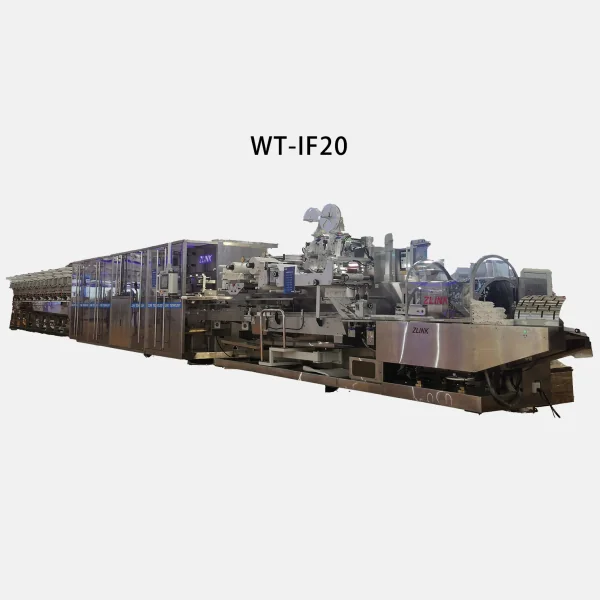
I believe manufacturers must align engineering with real user work. If you want a partner who thinks in those terms, look for teams that bring practical field fixes, not just glossy spec sheets. For a reliable partner and proven machinery that balances speed, serviceability, and real-world uptime, check ZLINK.