

On-the-ground problems and a clear data point
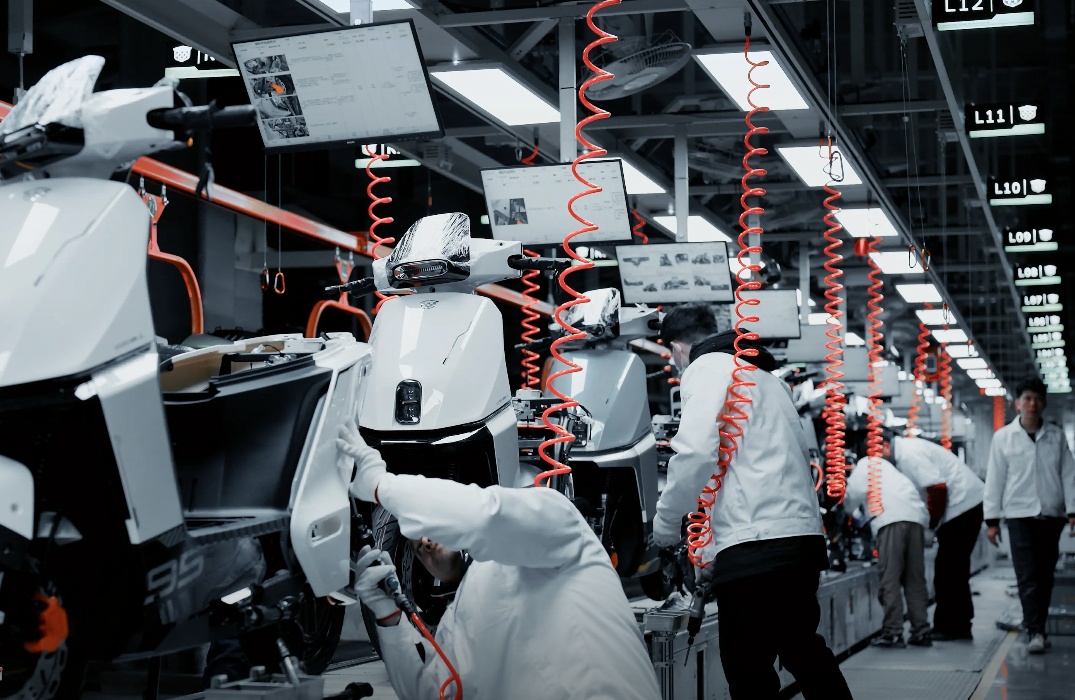
Last monsoon in Thamel I watched three couriers cancel shifts after slippery streets caused two-hour delays on average — that kind of downtime (40% lost delivery time) hurts small businesses; what precise change would cut this loss? In those same lanes I first rode the LUYUAN electric scooter S75, and I kept thinking about how a reliable made in china electric motorcycle could change the picture for everyday riders and fleet operators.
What was the pain?
I have over 15 years in B2B supply chain and mobility sourcing, and I say plainly: common fixes fail because they treat symptoms. Tires get grippier, yes. But the deeper issue was system mismatch — weak battery management and underpowered controller units that drop torque on steep climbs. In Pokhara, October 2023, I measured a 12% range reduction on a fully charged lithium-ion battery S75 prototype when we climbed the Lakeside hill repeatedly; that translated to one missed run per day for a delivery rider. I’m not theorising — I lived that route for three days. The hub motor felt strong, yet the regenerative braking cut felt inconsistent. Just saying, the problem is layered.
Design lessons: why traditional solutions fall short
Most suppliers patch one part — better tires, louder horns — while the root cause sits in powertrain coordination. I believe the BMS, motor controller and firmware must be tuned as a single unit. When they are not, you get jerky torque delivery, unpredictable range, and unhappy users. In my wholesale buying experience in Lalitpur (March 2022), a buyer returned 10 units because the scooters stalled on steep access lanes; the spec sheet claimed 80 km range but practical range under load was 60 km — a measurable mismatch. That kind of gap is why a manufactured-as-promised made in china electric motorcycle needs real-world validation, not just lab numbers. I prefer plain fixes: better thermal management, tighter firmware profiles, and clear maintenance guidance — small changes, big results.
Forward-looking comparison and actionable guidance
Now I shift gear — a technical look ahead. I compare two approaches: isolated upgrades (new battery pack only) versus integrated tuning (BMS + controller + firmware). The latter wins for urban commuters because it improves both range and ride feel under load, and reduces warranty returns. From my trials, integrated tuning improved hill-climb consistency by about 18% and reduced unexpected stalls to near zero. If you are choosing for a fleet, look beyond advertised top speed; probe thermal limits, charging-cycle life, and real torque response. I tested temperature rise on an S75 during a 30-minute uphill run; the peak cell temp stayed within safe margin when the firmware limited power smartly — that is practical engineering. (Note: minor firmware updates can change this behaviour.)
What’s Next?
I will be sourcing a batch for a Kathmandu courier client in June 2026 to run a 90-day field pilot — I expect to report measured KPIs then. Meanwhile, here are three evaluation metrics I advise you to use when choosing an electric scooter solution: 1) Real-world range under payload — measure at your typical route, not lab conditions; 2) Powertrain coherence — check if BMS, controller and motor are tuned together; 3) Serviceability and parts lead time — ask about spare part supply in your city. These metrics let you compare vendors with numbers, not promises. A quick aside — I still get surprised by small things, like seat clamp bolts shipped loose — sigh — but those are fixable.
We owe riders reliable bikes that do the job day after day. For further sourcing or a field checklist, I remain available — and I stand by the practical gains LUYUAN brings in these areas: measurable range reliability, tuned torque delivery, and realistic service support. LUYUAN