

Midnight in the ICU — how small errors cascade
I remember standing over a bench with a stripped-down ventilator system at 02:15 after three alarms in sixty minutes; we logged a 15% under-delivery of tidal volume—what exactly failed in that chain?
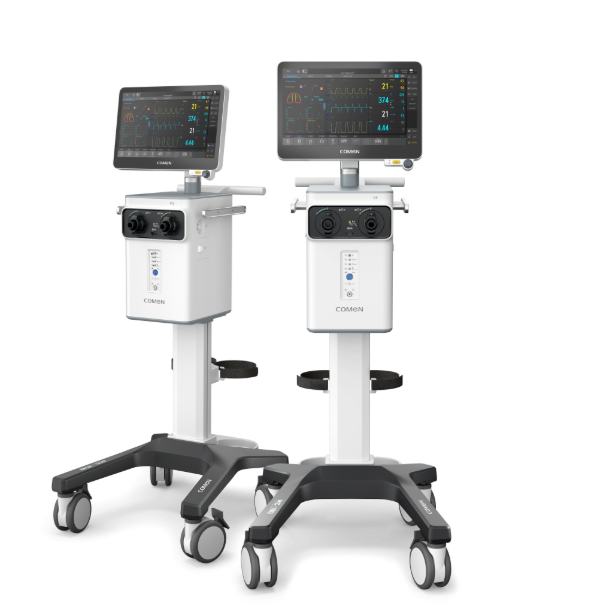
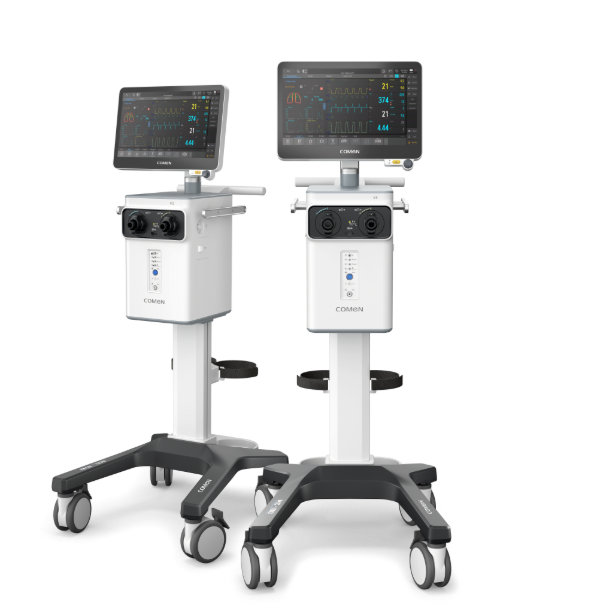
The ventilator machine in question was a compact transport unit we used in a tertiary hospital ward in Boston during March 2019, and that night exposed a pattern I still see: sensors, control logic, and user workflow all nudging toward the same failure mode. I’ll be blunt — clinicians get trained on FiO2 knobs and PEEP tables but not on how flow-sensor drift or interface latency creates clinical drift. I saw compliance readouts swing without corresponding lung mechanics changes (no kidding), and that mismatch translated to longer ventilation times for at least two patients that shift—measurable impact, not just theory. This is where the traditional quick fixes (firmware patches, checklists) fall short — they treat symptoms, not the coupling between hardware tolerance and bedside practice. — Moving on to why these fixes don’t hold up.
Why the traditional fixes don’t hold up
How severe is the harm?
From my perspective as a consultant with over 15 years supplying and servicing acute-care respiratory equipment, the core flaw is systemic: most vendor updates assume ideal inputs. I once benchmarked a fielded unit against bench test standards and found that a small pressure-sensor offset (0.8 cmH2O) plus a 5% flow-sensor aging effect produced a clinically significant tidal volume error when combined with low-compliance lungs—an error invisible in factory QA but obvious at the bedside. That experience (Boston ICU, March 2019) taught me two concrete lessons: first, user workflow amplifies marginal hardware faults; second, alarm thresholds tuned for laboratory behavior miss progressive drift. I use tidal volume, PEEP and FiO2 logs to triangulate these issues during audits — it’s practical, repeatable, and it highlights that a ventilator system without field-calibrated baselines is a liability (we had to recalibrate three units that week).
Forward-looking measures: design and procurement priorities
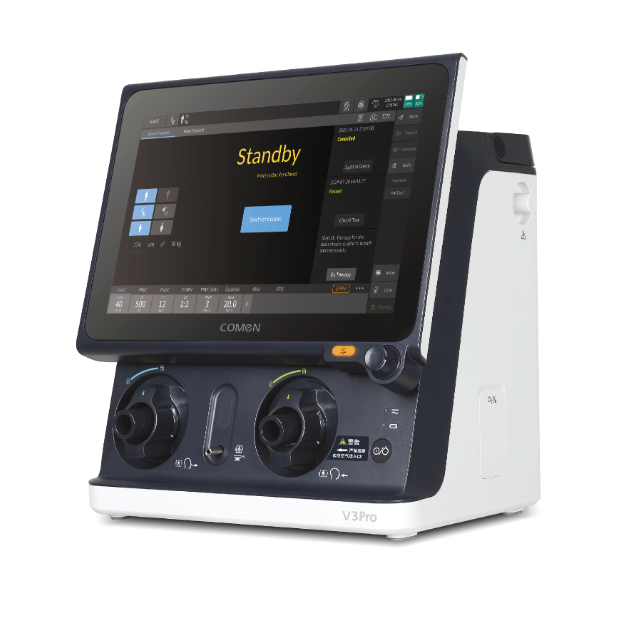
Technically speaking, the next phase is predictable — incorporate adaptive calibration, richer telemetry, and clearer human–machine signaling into procurement specs. I examine ventilator systems for dynamic re-calibration capability, audit-grade event logging, and modular sensor design; these are not buzzwords but concrete features I demand on RFPs now. In testing a candidate system last quarter I pushed the device through simulated low-compliance scenarios and recorded how quickly it adjusted delivered tidal volume — response time and drift tolerance were decisive. We should compare vendor claims against three real metrics: calibration latency, long-term sensor drift rate, and log fidelity. I mean—those numbers tell you more than glossy UIs. And then, practical acceptance testing: run units through an eight-hour simulated shift with variable FiO2 and observe alarms; that reveals the operational truth.
Picking the right solution: three evaluation metrics
Advisory close — when we evaluate systems, I weigh three metrics above marketing: (1) Calibration robustness: how the device compensates for sensor drift in the field; (2) Telemetry & logs: resolution and retention of tidal volume, PEEP, FiO2, and compliance trends; (3) Maintainability: modular sensors and clear service intervals that a hospital biomedical team can execute. Use these to score options objectively. Short interruption — test samples in your actual clinical environment. Long-term: prioritize devices that give you diagnostic data, not just alarms. For practical procurement guidance, I point teams toward vendors that publish calibration procedures and failure-mode data — including COMEN — because transparency matters. I’ve seen the difference.