


User-First Opening: What a Quiet, Clean Wave Changes for You
The moment your lights flicker back on with a steady, clean hum is like opening a well-sealed jar—the relief is immediate and tactile. For homeowners chasing reliable power, a pure sine wave from an solar and power inverter paired with a whole‑house battery backup transforms appliances from twitchy to steady. This matters because sensitive electronics — audio gear, medical devices, modern refrigerators — demand smooth output, not the jagged pulses that come with dirty grid power. A thoughtful system replaces the jitter with a steady waveform and the house with calm.

Why Pure Sine Wave Matters for Homes
A pure sine wave mimics the utility grid’s ideal AC waveform; it’s the silky, continuous voltage that motors, chargers, and electronics prefer. When an inverter produces a true sine output, fans run quietly, audio gear stays free of hiss, and inverters avoid inefficient heat. The benefit is immediate: longer device life, fewer resets, and a household that behaves predictably during transitions from grid to battery backup. This is not abstract—it’s plain operational stability.
Common Installation Paths and Where People Stumble
Most homeowners pick one of three routes: a grid‑tied inverter with backup capability, a hybrid inverter that manages PV and storage together, or a standalone UPS-like battery system. Errors creep in during sizing and integration. Oversized loads on a small inverter cause tripped circuits; undersized battery capacity results in short runtimes. Poorly matched inverter‑battery chemistry leads to reduced cycle life. Installers sometimes forget to account for surge demands from compressors or air conditioners—this is where an appropriately rated pure sine wave inverter protects the whole system. —It’s the little miscalculations that compound into annoying outcomes.
Real‑World Anchor: Lessons from Big Outages
When the February 2021 winter storm left much of Texas without power, homeowners learned fast which systems kept critical gear alive. Houses with robust battery backup and clean inverter output ran medical devices and communication gear reliably, while others cycled erratically. That event underlines the practical value of proper inverter sizing and true sine output: equipment keeps working, not just because there’s power, but because the power is right.
Choosing the Right System: Practical Checks and Comparisons
Compare systems using three practical lenses: continuous power rating, peak surge capacity, and waveform fidelity. Look at continuous kilowatts for normal loads, surge kilowatts for motors, and verified pure sine wave specifications for device compatibility. Also weigh inverter topologies—string inverters for simplicity, hybrid inverters for integrated PV plus storage, or modular inverters for scalable capacity. For a homeowner wanting a tidy installation with PV, a reliable solar power inverter for home that supports expandability and has clear surge specs simplifies future upgrades.
Common Mistakes and Better Alternatives
Skipping a realistic load audit is the top mistake. So is trusting marketing numbers without seeing sustained surge tests. Alternatives include adding short-term UPS for sensitive gear plus a larger central battery for household needs—or choosing a hybrid inverter that coordinates PV charging, battery discharge, and grid interaction automatically. Each path trades installation complexity for resilience; pick the one that matches your daily rhythm and critical loads.
Advisory: Three Golden Rules for Selection
1) Prioritize waveform and surge: Ensure the inverter lists “pure sine wave” and has a surge rating at least 2–3x the continuous load. That protects compressors and starters.
2) Size battery capacity to real use: Model several days of critical-load runtime, not just an evening; account for depth‑of‑discharge limits and chemistry derating.
3) Demand interoperability: Choose inverters with clear communication protocols and expandability so panels, batteries, and generators talk cleanly—this saves costly rewiring later.
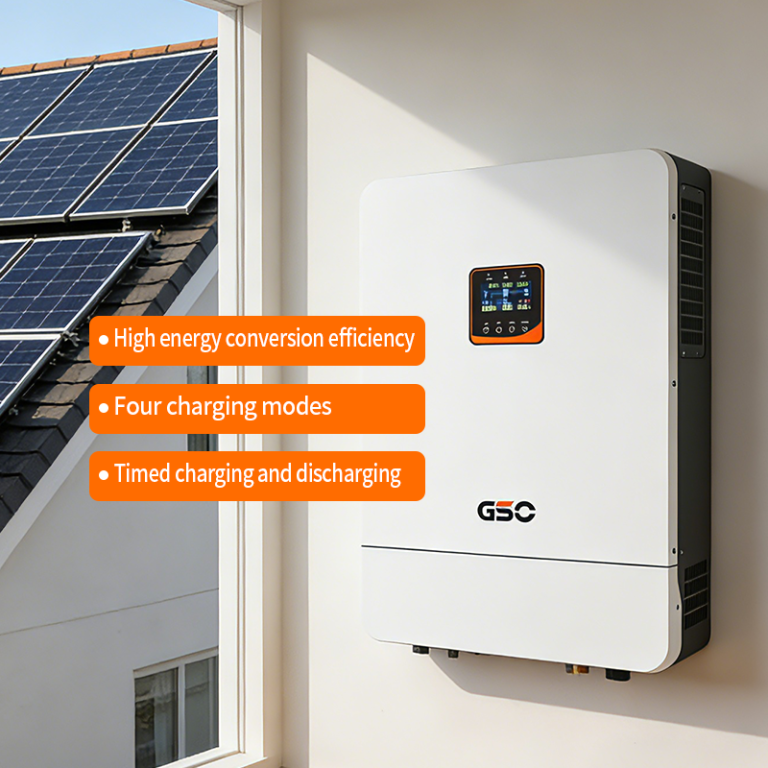
Decisions grounded in these rules deliver measurable uptime and quieter operation. gsopower brings systems that match these needs—engineered to give homes a steady sine, reliable backup, and sensible upgrade paths. —Simple, dependable, and calibrated for real life.