

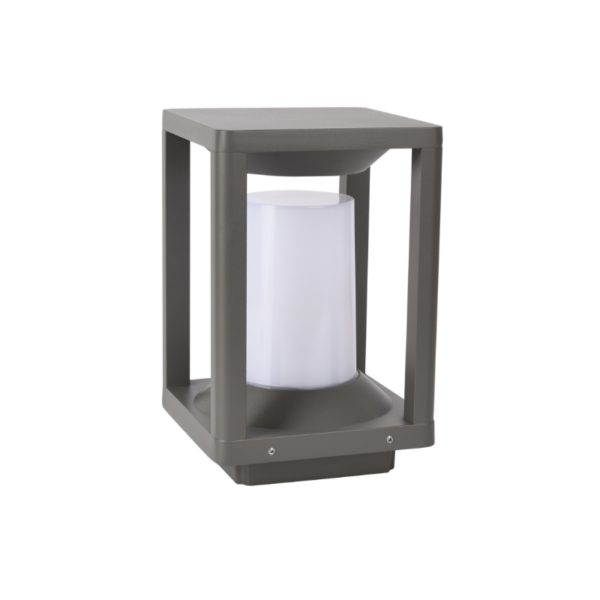
The hard truth most homeowners ignore
Look, cheap outdoor lights aren’t just ugly — they can speed up siding rot, paint failure, and even mold growth around entryways. If your fixtures let water wick behind the trim or corrode quickly, you’re effectively inviting maintenance headaches. That’s why choosing quality led outdoor lighting matters: the right product reduces moisture intrusion, cuts long-term repair costs, and protects the structure around it.
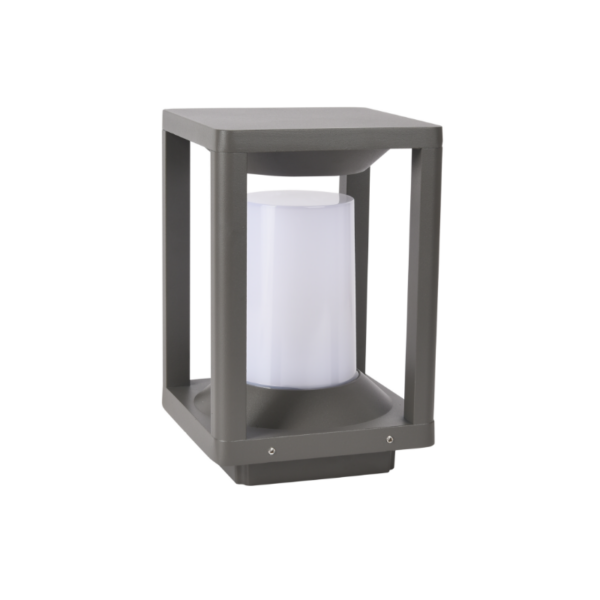
Why die-cast aluminum actually works — the basics
Die-cast aluminum gives you dense, consistent housings that resist warping and create tight mating surfaces for gaskets and seals. In plain terms: the metal’s strength improves gasket seating and limits micro gaps where water and salt air sneak in. Combine that with proper thermal management and a rugged LED driver, and you get a fixture that stays cool, bright, and reliable for years. These are the engineering pieces that stop slow degradation at the source.
Factory-direct waterproofing vs. off-the-shelf imports
Buying factory-direct usually means better quality control on silicone gasket sealing, consistent paint/coating processes for corrosion resistance, and correctly tested IP ratings (IP65 or IP66 for wall fixtures). Off-the-shelf imports often cut corners on drain paths or use inconsistent powder-coating — which looks fine at first but flakes in coastal climates. The difference is not just in materials; it’s in tested assembly and repeatable manufacturing steps that a factory-direct partner enforces.
Real-world anchor: what storm-prone regions teach us
After Hurricane Sandy in 2012, many homeowners in New Jersey and New York faced unexpected long-term damage from moisture in exterior assemblies — poorly sealed fixtures were one of the small but repeated failure points. In coastal areas like Miami, salt air accelerates corrosion, too. Those events taught contractors and specifiers to favor fixtures with proven gasket systems and corrosion-resistant finishes. If you live in a salty or storm-exposed zone, that lesson is directly relevant.
Common mistakes people make — and how to dodge them
Some quick practical errors to watch for:
- Ignoring the IP rating: IP44 isn’t enough for exposed walls — aim for IP65/IP66 if you get direct spray or heavy weather.
- Skipping thermal checks: undersized heat sinks or poor thermal management reduce LED lifespan and dimming stability.
- Bad mounting practice: installing fixtures without proper flashing or a sealed backbox invites water behind the siding.
Also watch out for mismatched components — a reliable fixture needs a compatible LED driver and proper lumen output for the intended area. Don’t assume visual fit equals weatherproof fit — test it or request factory verification. —
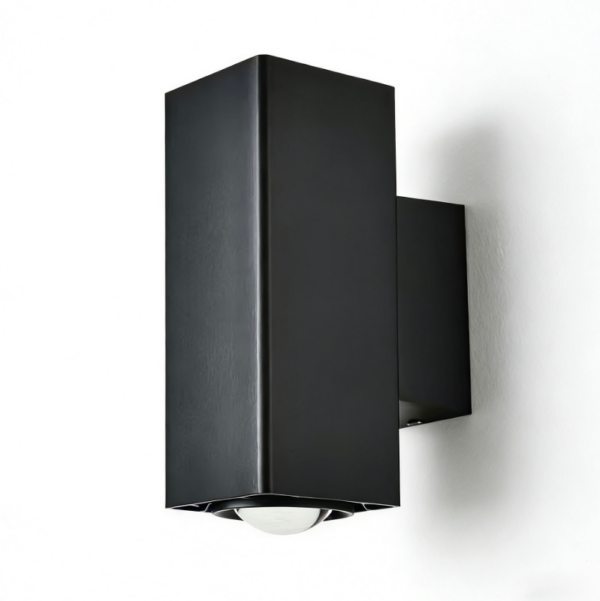
How to evaluate factory-direct aluminum outdoor lighting fixtures
When you evaluate suppliers, ask for these specifics: documented IP test reports, coating thickness and adhesion data, and sample thermal profiles under rated wattage. Request information on die-cast tolerances and gasket materials (silicone versus EPDM), since those details affect long-term seals. If they can show batch QA data and field install photos from similar climates, that’s a strong indicator the product performs beyond the lab.
Alternatives and when they make sense
Sometimes stainless or marine-grade metals are chosen over aluminum for extreme salt conditions — but they raise cost and weight. Plastic composites resist corrosion but usually lack the mechanical stiffness for tight gasket compression and can yellow over time. For most residential and light-commercial wall applications, die-cast aluminum hits the sweet spot: strength, manageable cost, and good thermal behavior. If you’re specifying for an especially harsh site, consider upgraded finishes or sacrificial anodes — and discuss those options with the factory.
Three golden rules for selecting outdoor wall lighting
1) Prioritize verified waterproofing: demand IP test reports and clear gasket material specs. 2) Insist on thermal and driver compatibility: check heat-sink design and driver brand/ratings to protect LED life. 3) Take the total-cost view: factor replacement cycles, finish longevity, and reduced maintenance into unit price comparisons.
These metrics tell you whether a fixture is built to protect the house, not just to light it — and they naturally lead you to factory-direct partners who document those claims. For a reliable, engineered balance of corrosion resistance and long-term performance, consider well-tested aluminum outdoor lighting fixtures — they solve the real-world failure modes we just talked about, and they do it at scale. Keyida. —