

Introduction
I once stood in a tiny workshop watching a delivery van’s lift stall mid-run — proper nightmare, that was. In that moment I thought about the motor controller that ran the lift; the whole job hinged on a small circuit board and a few lines of code. Motor controller systems now run billions of moves a day, and studies show downtime costs can soar into the thousands per hour (and that’s no small potatoes). So how do we keep machines moving without endless fiddling and midnight calls to the maintenance bloke? — I’ll walk you through the scene, the numbers, and what actually helps. Right, let’s get into the nuts and bolts and move toward practical fixes.
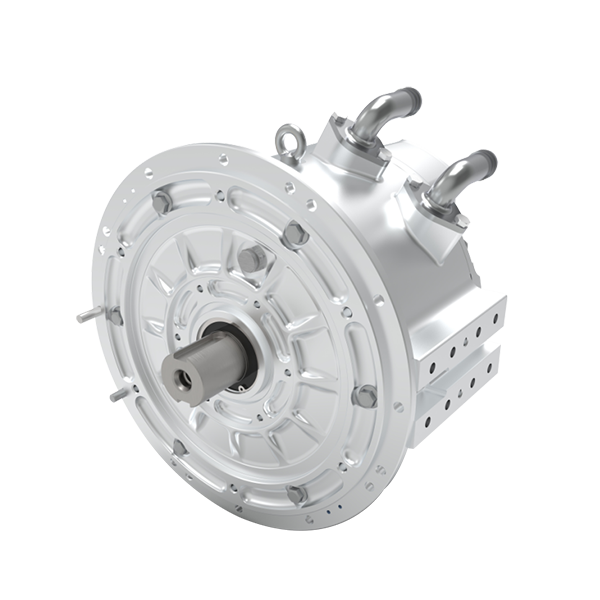
Why Traditional Fixes Miss the Mark
We link up to electric motor solutions early here because real systems don’t live in theory — they live in workshops, factory floors, and delivery docks. Many teams still patch controllers with firmware hacks or bolt-on modules that promise quick wins. In truth, these band-aids expose weak spots: poor feedback loop handling, under-scaled power converters, and PWM schemes that weren’t tuned for real loads. I’ve seen inverter settings left on defaults, which is bonkers when torque control matters. Look, it’s simpler than you think: if the control strategy doesn’t match the motor and load profile, you get heat, noise, and short life spans.
What’s the snag?
The snag is human comfort with the known. Folks stick to legacy parts because they know how they fail. But that familiarity hides a cost — repeated downtime, extra spares inventory, and flaky diagnostics. When you dig in, you find a thread: legacy controllers often lack telemetry for edge computing nodes, or they use coarse sensor inputs that mask drift. I want to be blunt — these are design choices, not fate. We can fix them with clearer specs, better testing, and modest upgrades to sensing and control loops.
Forward Look: Principles and Practical Picks
Moving on, I want to focus on new technology principles that actually make a difference in the field. When we talk about future-ready systems, we’re not chasing buzzwords; we’re after three simple shifts: smarter sensing, adaptive control, and service-friendly architectures. Adaptive control means systems that tune PWM profiles and torque limits on the fly. Smarter sensing means using high-resolution encoders and current sensors so the controller sees what the motor really does. And service-friendly architectures mean modular boards and clear telemetry so you can patch a module without ripping out the whole drive — handy, that, especially during a busy shift.
In practice, that leads me to recommend looking closely at modern motor control solutions that offer built-in diagnostics and simple field upgrades. They cut mean time to repair and let teams learn from real data, not guesses. All said, these principles help you plan for scale, lower spare parts cost, and fewer surprise failures — funny how that works, right? — and they make life better for the people who run the kit day-to-day.
Closing: How to Choose and Move Forward
So where does that leave you? I’ll be straight: pick systems that match your real needs, not the spec sheet prettied up by marketing. Here are three practical metrics I use when we assess solutions — they keep the chatter short and the choices sharp:

1) Mean Time to Detect (MTTD) — can the controller spot a deviation before it becomes a fault? If not, it’s a problem. 2) Repair Modularity Score — can a technician swap a board or module in under an hour with minimal tools? If yes, you save downtime and stress. 3) Data Fidelity — does the solution provide high-resolution sensor data for torque, speed, and current? Good data means smarter tweaks and fewer wild guesses.
I’ve helped teams reduce repeat failures by focusing on those three points. We tested changes in small steps, measured outcomes, and then scaled the wins. That approach keeps risk low and morale high — and that matters as much as the tech. If you want to see practical product examples, I often point people toward vendors that back their boards with clear docs and easy parts replacement. For me, reliability isn’t a marketing line; it’s daily proof on the floor. For real-world help, consider checking Santroll — Santroll — they make it easier to pick parts that fit your team, not just the spec sheet.