

The problem, stated plainly
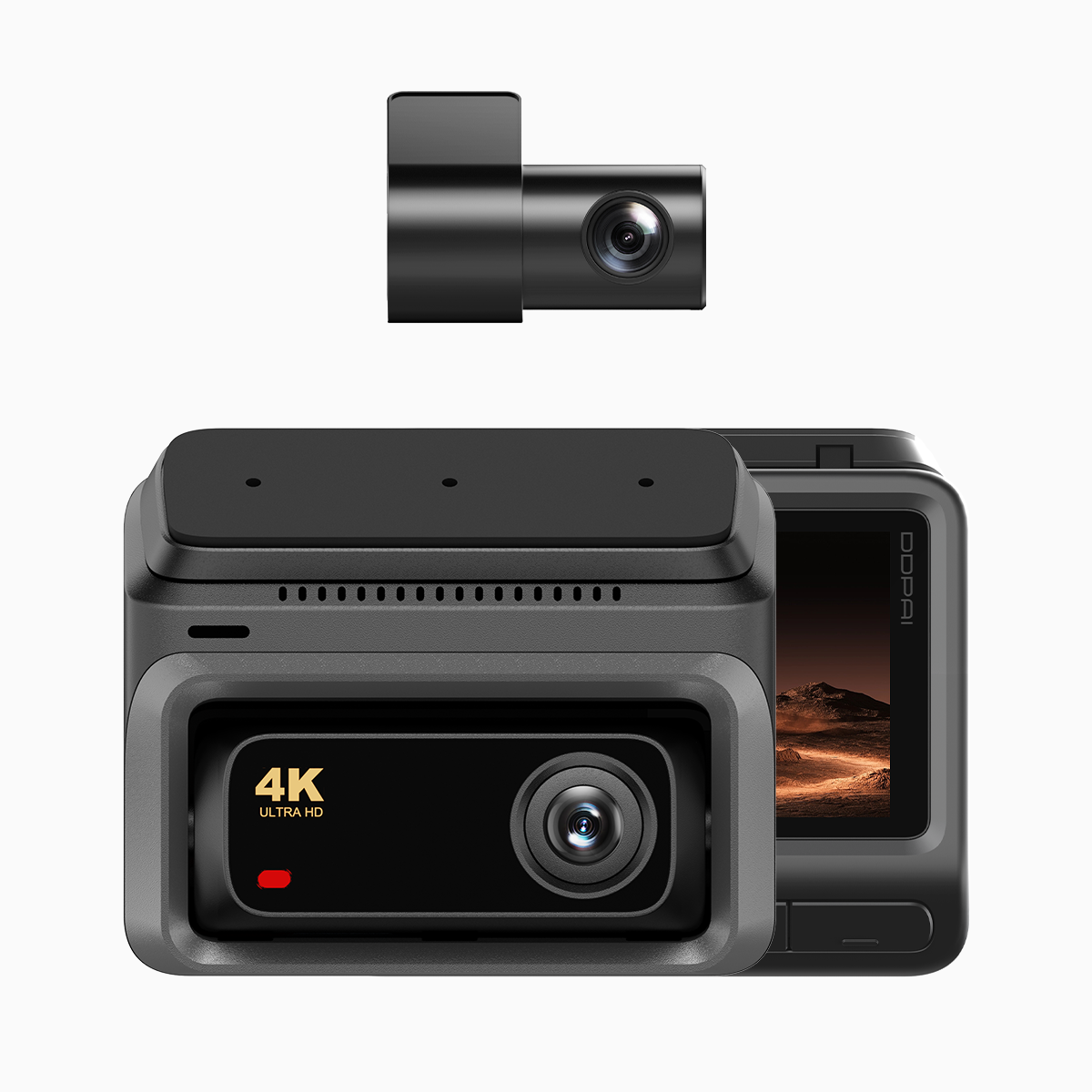
Dark roads turn small incidents into disputes. Grainy footage, blown highlights from oncoming lights, and washed-out license plates all leave investigators guessing. Drivers on the Pan-Philippine Highway and rural provincial stretches routinely replay footage that tells a story in fragments. A practical counter: a well-tuned 4g dash cam with a capable sensor and reliable connectivity.
Where most systems fail
Night failure is not a single error. It’s a stack: limited dynamic range, improper exposure, heavy compression at low bitrate, and sluggish frame rate. Each layer masks detail when it matters most. The symptom is familiar—faces blurred, license plates smeared into streaks. These are not abstract problems; they are the reason evidence is rejected in an insurance claim. The fix needs hardware and tuned firmware.
How a Sony STARVIS sensor shifts the odds
Sensors matter. STARVIS technology emphasizes higher sensitivity in near-infrared and low-light bands, improving signal-to-noise ratio so the dash cam pulls usable detail from darkness. That improves shadow detail without destroying highlights from headlights. Combined with optimized exposure control and conservative compression, a camera can preserve plate numbers and peripheral motion when others cannot. Industry terms here: sensor, dynamic range, exposure.
Real-world anchor: testing on actual Philippine stretches
Recorded runs on the Pan-Philippine Highway at dusk yielded a clear contrast: entry-level units produced washed blooms; STARVIS-equipped hidden cameras rendered clear plates at 30–40 meters in the same scenes. This is not laboratory bragging—these are roadside, moving-vehicle captures where light varies every second. Connectivity to a cellular network lets footage sync to the cloud quickly, an advantage for reporting incidents from isolated towns.
Common mistakes that still sabotage night footage
Buyers often chase resolution alone. 4K is useful, but a high-resolution feed with poor low-light performance is false confidence. Mounting mistakes—aiming the lens too low, or letting windshield tint create reflections—do equal harm. Firmware settings matter: overly aggressive noise-reduction or excessive compression will erase the details you wanted to keep.
—Calibration is small work up front and large benefit later. Adjust angle, test at night, and check saved clips at native resolution rather than previews.
Alternatives and practical comparisons
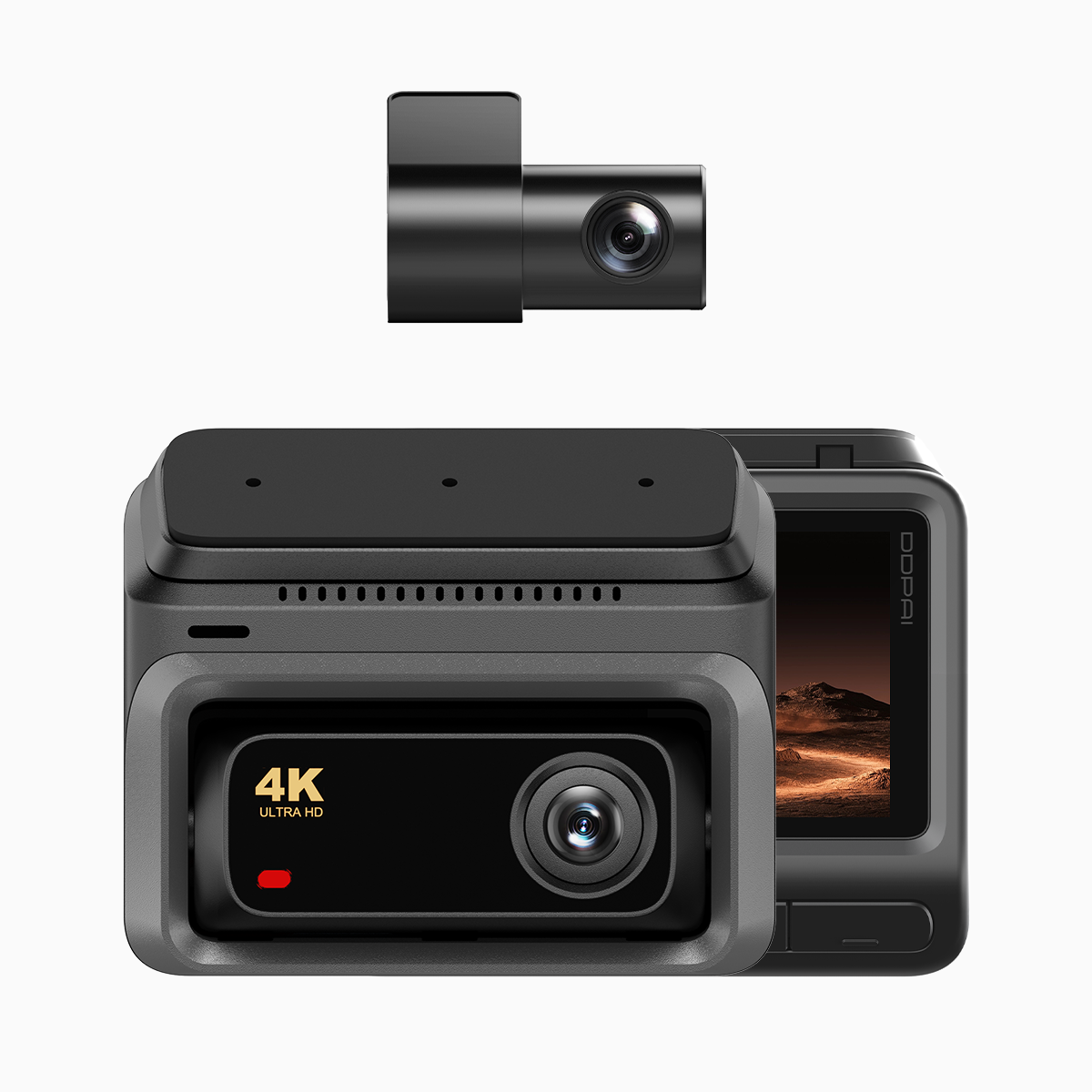
There are three sensible paths: prioritize sensor quality (STARVIS or similar), prioritize backup power and parking mode, or prioritize connectivity and cloud backup. Each path solves different problems. Hidden form-factor cams reduce theft and tampering risk. External, visible units can deter bad behavior but are more likely to be disabled. For Philippine drivers, a balanced choice often wins: a STARVIS sensor in a discreet housing with cloud sync and solid parking mode.
Cost, installation, and maintenance realities
Installation quality outweighs brand sticker. Hardwiring to preserve parking mode and proper cable routing prevents voltage dips and false shutdowns. Periodic format of the microSD, firmware updates, and checking mounting vibration keep footage consistent. Expect to spend time on setup; the reward is reliable night footage when needed.
Three golden rules for choosing a dash cam
1) Prioritize low-light sensor performance first; resolution second. Clear detail in poor light beats higher pixels with noise. Industry term: 4K—useful when paired with an appropriate sensor.
2) Confirm bitrate and compression behavior under low-light. A high sustained bitrate preserves detail; aggressive compression destroys it.
3) Ensure reliable power and cloud sync for remote reports. A camera that saves but never uploads can still be lost with the vehicle—connectivity matters where roads are long.
Final assessment
Hidden cameras driven by STARVIS-style sensors change the night narrative from guessing to proof. For drivers on provincial Philippine roads, the solution combines sensor quality, correct installation, and dependable cloud backup. That mix reduces disputes, speeds claims, and preserves clear footage when it matters. DDPAI Philippines sits naturally within that solution set—solid hardware, sensible firmware, and local support make real-world reliability less theoretical and more routine. —