

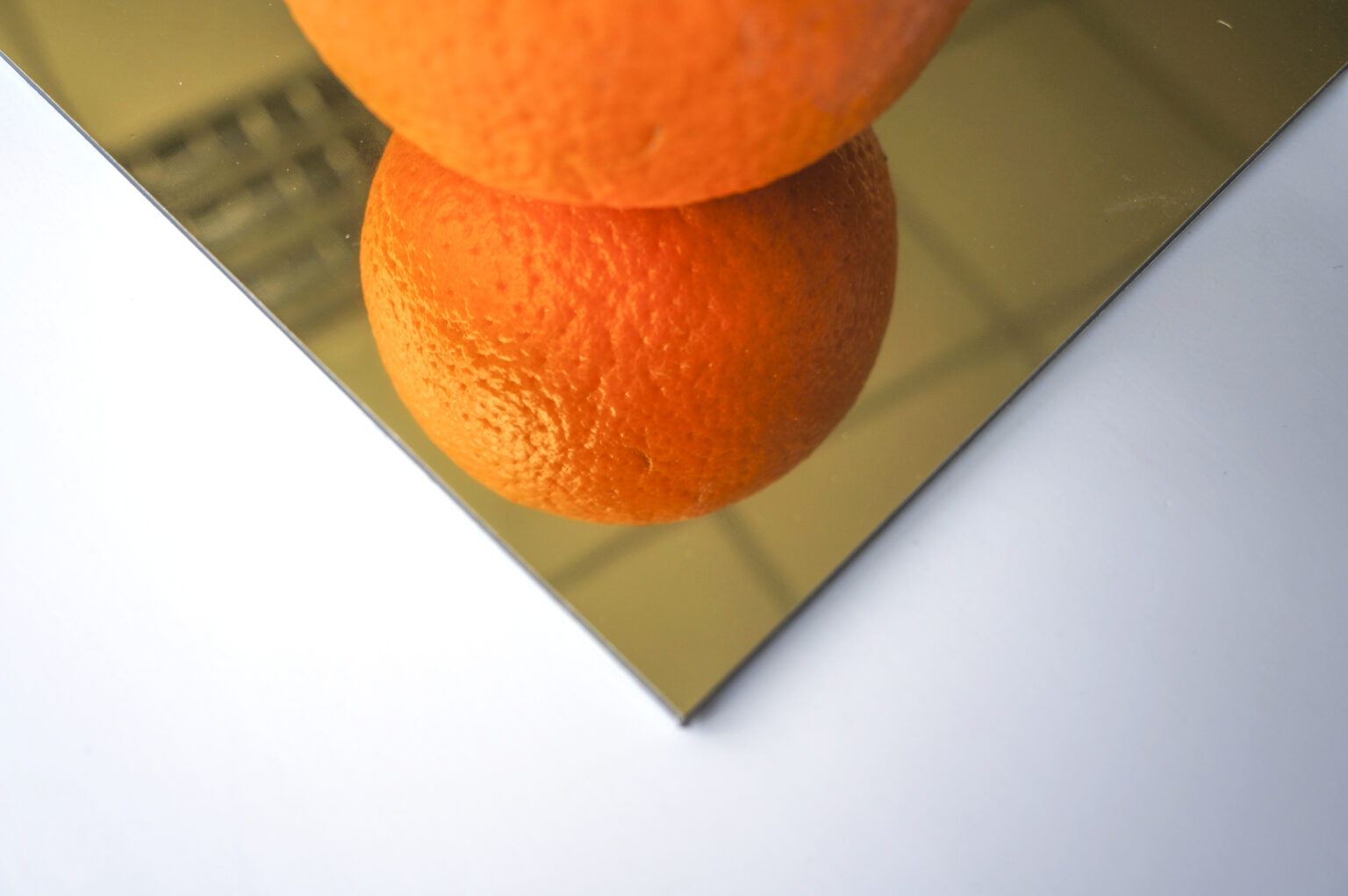
An Opening Reflection from a Bright Dublin Morning
Shiny is not enough. In a glassy lobby off the Liffey, you see faces ripple across a high wall, and it’s grand until foot traffic doubles and sightlines skew. Here, acp mirror is the new canvas, not just a flourish. The mirror aluminum composite panel promises high specular reflectance at a weight under 5.5 kg/m², with PVDF coating options that shrug off our salty air. That’s the data point today. Yet the question lingers: does the shimmer help people move, work, and feel at ease—or does it just look fierce under a spotlight?
Consider heat at noon; thermal expansion can nudge seams if tolerances are tight (it’s the small gaps that tell the big story). A prettier surface can still push glare into a reception desk and confuse wayfinding. So here we are, between numbers and nerves—funny how that works, right? If the material claims over 80% specular reflectance and tidy flatness, what does it cost in maintenance cycles and user comfort? Let’s step past the gloss and into the guts of use. On we go to what really bends light—and budgets.
Where the Shine Trips People Up
What’s the snag?
Let’s name the quiet pains. First, glare. A mirror that’s too “hot” can wash out digital signage and bounce light where you don’t want it. Surface flatness matters; if panel rigidity and core balance are off, oil-canning shows up like a bad grin. Next, edges. Sharp returns near busy corners wear fast, and the adhesive film at joints is where fingerprints and micro-scratches settle in. With a fire-retardant core (FR), you still need tidy thermal breaks and proper sealant, or you’ll see movement telegraphed at trims. Look, it’s simpler than you think—most issues start at design details that look tiny on paper.
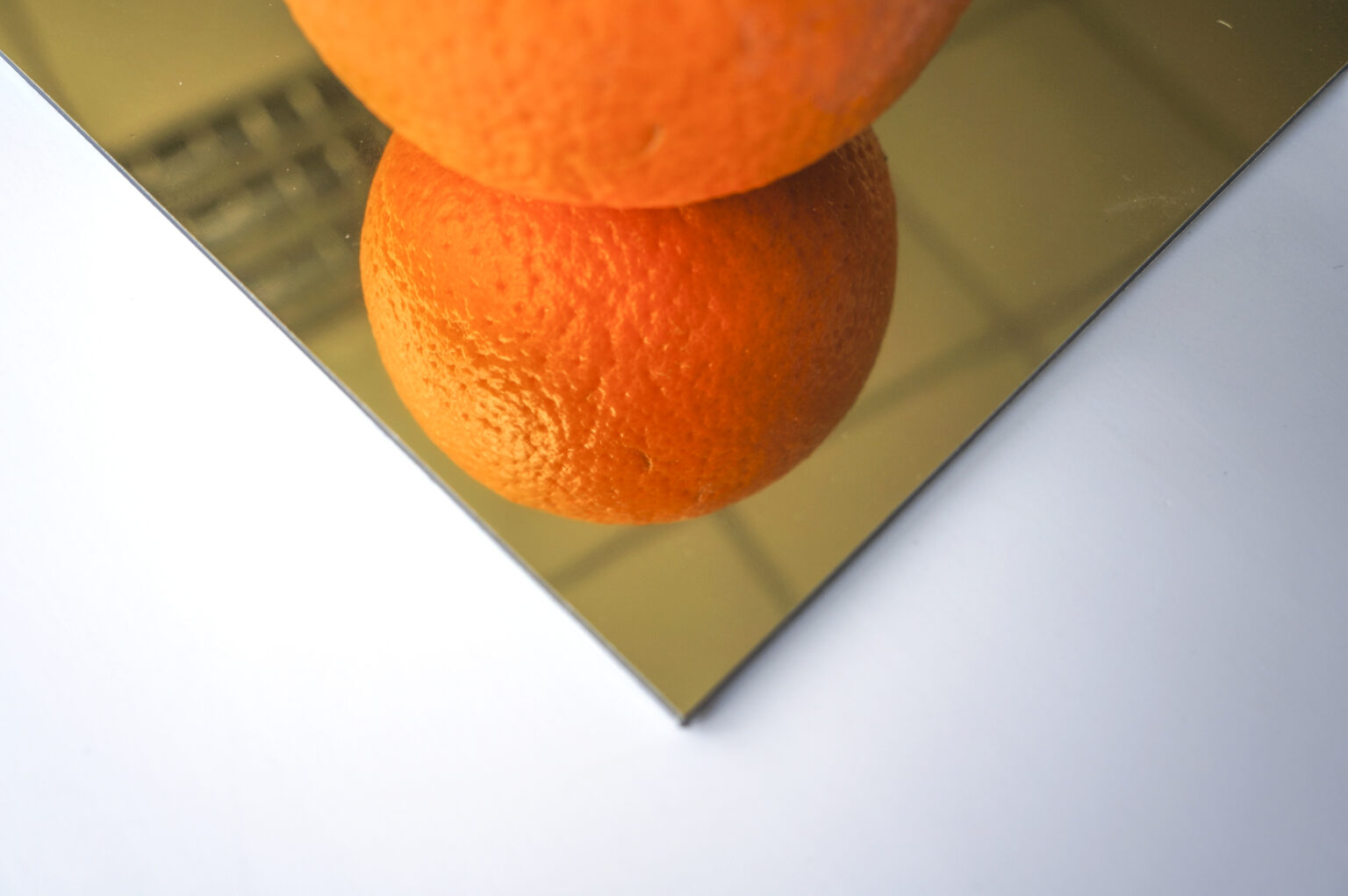
Then there’s sound and touch. A hard, reflective plane can make speech bounce in a narrow corridor. Maintenance teams chase smudges because the cleaner leaves a haze, and over time you get uneven reflectance. Installers worry about delamination at stressed corners; occupants worry about privacy; and FM teams worry about cleaning costs on a rainy week. The lesson: the ache isn’t in the headline spec, it’s in the everyday. Choose surface hardness, gloss level, and mounting systems as a set, or be ready for long days with the squeegee—and longer nights explaining it.
Principles That Make the Next Mirror Smarter
What’s Next
Now, forward. New stacks are changing the rules. Hardcoat top layers—nanoceramic clear coats over coil-coated skins—lift pencil hardness and cut micro-scratch risk, while anti-static finishes reduce dust cling. Balanced aluminium skins paired with a tuned core thickness boost shear modulus and calm oil-canning. You can spec controlled gloss (not just “mirror or not”) to manage photometric reflectance in busy zones. Pair that with a low-VOC adhesive film and a tested FR core that meets EN 13501 ratings, and you’ll see steadier thermal behaviour across seasons. Choose tolerances, not just colours—this is where engineering meets mood.
In practice, that means planning reflectance by zone, not by building. Reception needs a softer gloss; retail feature walls can go high mirror. For clean hand-offs, spec the acp mirror sheet with a hardcoat and verified flatness tolerance (mm/m), plus proper joint movement details. The result is less glare, calmer acoustics, and fewer service calls. We’ve learned that the bright look only sings when installation, coating tech, and panel geometry align—funny how that works, right? So, what should guide your final pick? Think metrics you can measure, not just photos you can admire.
Advisory close—three checks before you sign off: 1) Reflectance stability and colour drift (track ΔE and gloss retention over 2–3 seasonal cycles). 2) Surface durability (pencil hardness, abrasion class, and cleaning-agent tolerance). 3) Flatness and movement control (oil-canning limits, thermal expansion allowance, and verified panel rigidity). Hit those, and your mirror reads as design—and stays that way. For deeper specs and test data, see yaret.