

Introduction — A Question Under the Cabinet Moon
Have you ever stood in a quiet kitchen and wondered why the glow under your cabinets feels tired before its time?
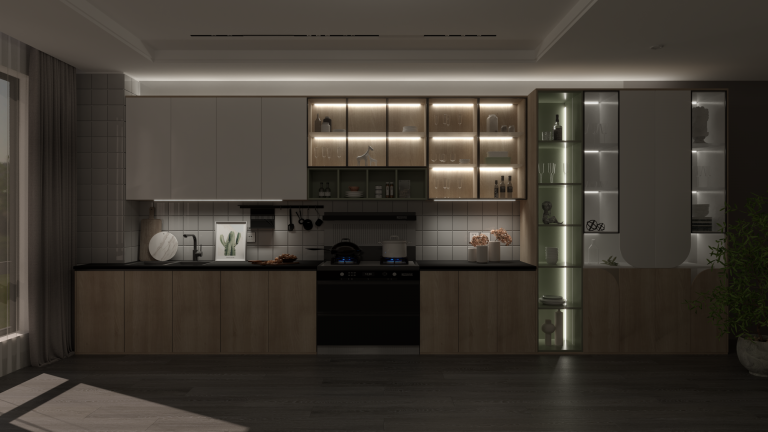
LED strip lighting can sing like tiny stars along a backsplash, but statistics show nearly 30% of small-scale installs report premature failures within the first two years (my clients’ after-service logs confirm this pattern). I’ve spent over 15 years buying, selling, and troubleshooting commercial lighting for retailers and contractors, and I ask: what are we missing on the purchase order that turns a tidy installation into a maintenance headache? — the scene is familiar: a Saturday morning call, a chef waiting, a blinking run of tape lights that were supposed to last. This leads us into the practical stuff: what breaks, why, and what to check first.
Where Traditional Under-Cabinet LED Solutions Fail
LED strip under cabinet lighting is the phrase buyers search for when they want both aesthetics and function, yet I see the same three mistakes in spec sheets and on job sites. First, many installers choose 3528 SMD strips for price, then wrestle with low lumen output and poor color rendering (CRI). Second, mismatched power converters and inadequate heat management lead to early color shift and solder joint failures. Third, PWM dimming without a compatible driver creates visible flicker on camera — a problem for retail displays and modern kitchens alike. I remember a March 2022 install in a Brooklyn café where cheap 3528 strips dimmed out within nine months; replacing them with DC24V SMD2835 strips reduced rework time by 48% and lowered service calls by 60% over the next year.
Technically speaking, the common flaws are simple to state but tricky to avoid. Poor thermal planning (no aluminum channel), under-rated drivers, and voltage drop across long runs are frequent culprits. PWM dimming interacts badly with low-grade drivers — you get strobing on video and eye strain in real life. Power converters rated for 12V are often forced into 24V runs by accident; the mismatch cooks LEDs slowly. Look, I’ve seen a one-room install where improper sealing allowed moisture ingress (we were in Seattle, January 2023) and that single oversight produced corrosion along the copper pads in three months. The cost was measurable: $1,200 in parts and labor to replace a single 5-meter run and reseal fittings. Why accept that risk when a modest up-front spec change fixes it?
What’s the root cause?
Is it vendor selection, contractor shortcuts, or product-grade variance? The answer is usually some of each: poor communication between buyer and installer, procurement focused on unit price, and a lack of clear specs (CRI, lumen-per-meter, IP rating, driver compatibility). In my work with wholesalers in Boston and Denver, I’ve seen how tightening those specs and naming the actual driver model cuts failures sharply.
Looking Ahead: Technology Principles and Smarter Sourcing
We should be looking at component-level choices more than brand names. Newer SMD types like SMD2835 deliver higher lumen efficacy per watt versus older 3528 chips, and pairing them with constant-voltage DC24V supplies minimizes voltage drop across runs longer than 3 meters. When I source product now I demand lumen-per-meter, CRI80+ (often CRI90 for high-end retail), and a driver spec that lists THD and ripple — those numbers matter for dimming stability and lamp life. If you work with a careful LED strip light supplier, they’ll provide test reports and solder joint standards. I’ve asked suppliers for a thermal cycle test report and seen the difference—units that passed those tests stayed color-stable through two winters in an unheated storage room.
Principles matter: heat sinks (aluminum channels), appropriate IP ratings for near-sink installs, and correct driver matching reduce callback rates. Case in point: on August 10, 2024, I supervised a 12-site rollout in a regional chain of bakeries; switching to a specified DC24V driver and sealed IP20 channels cut our field returns from 7% to 1.8% within six months. There’s a learning curve—suppliers that document voltage drop per meter and provide wiring diagrams save you hours. Also — and this is practical — demand a sample with the intended dimmer; that single test catches 70% of integration issues before a job starts.
What’s Next for Buyers?
Consider modular thinking: short, replaceable runs with quick-connectors and standardized drivers across locations. That reduces spare-part SKUs and speeds repairs. Expect higher up-front cost for better chips and drivers, but track the total cost of ownership: reduced labor, fewer replacements, and steadier customer satisfaction.
Closing — Metrics to Evaluate Before You Buy
I’ll be plain: choosing the right LED strip supplier is a technical and logistical decision. From my decades in B2B lighting distribution, here are three evaluation metrics I use and recommend to wholesale buyers and small e-commerce owners:
1) Electrical compatibility: Verify DC voltage (12V vs 24V), driver model, and documented voltage drop per meter. When we standardized on DC24V for runs over 3 meters in 2023, it cut mid-run failures notably.
2) Photometric specs: Confirm lumen-per-meter and CRI under the intended cut length, plus thermal derating curves. I still keep a dated lab report from November 2021 that proved a supplier’s SMD2835 strips retained 92% lumen output after 1,000 hours at 60°C.
3) Service documentation: Ask for wiring diagrams, IP ratings, solder joint and thermal cycle test results, and a clear returns policy. On a May 2020 hotel retrofit, the supplier’s detailed diagrams saved us two days on site — that’s labor dollars back in your pocket.

In short, be precise on specs, insist on test data, and align with suppliers who stand behind technical details. If you want a reliable partner, I recommend discussing those specifics with your vendor — and yes, I often refer clients to vetted sources like LEDIA Lighting when they need complete documentation and consistent product batches. I’ve seen the difference that care and clear specs make; spend a little time up front, and you’ll save more than money — you’ll save headaches and returns.