

Comparative overview
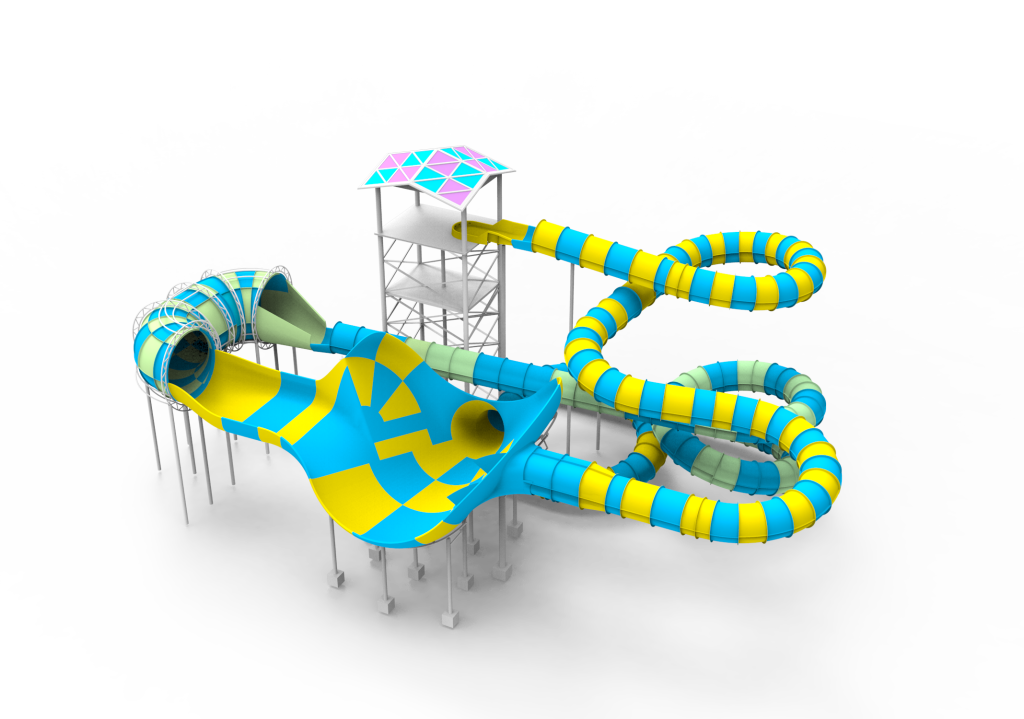
The core question for operators is simple: does premium fiberglass justify its extra cost over a standard water ride when you measure performance, maintenance, and lifespan? This piece cuts straight to performance metrics and real-world wear patterns, starting from a typical family attraction like the rainbow water slide and scaling up to complex multi-lane assemblies. We compare abrasion resistance, structural fatigue, and finish retention—useful data if you’re specifying slides or auditing an installation.
Key performance metrics to compare
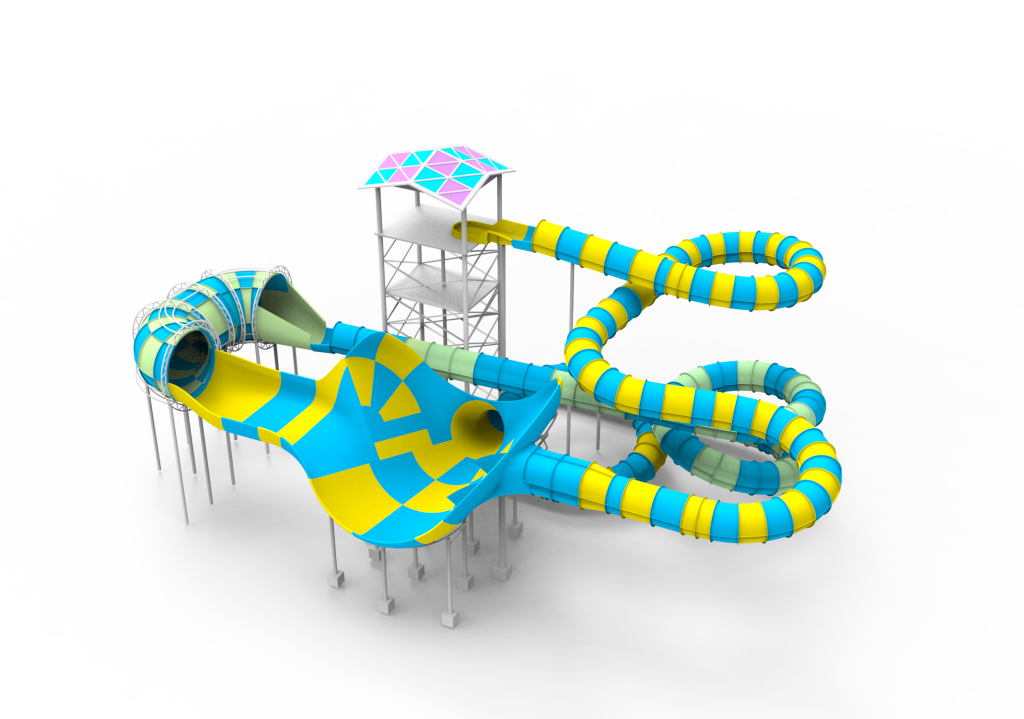
Measure three areas first: surface integrity, structural resilience, and maintenance frequency. Surface integrity includes gelcoat quality and resistance to UV degradation; structural resilience looks at the fiberglass reinforced plastic (FRP) laminate schedule and core bonding; maintenance frequency measures required patching cycles and time without the ride. Premium systems typically use thicker structural laminate and UV stabiliser-infused gelcoat, which show fewer hairline cracks and lower water ingress over a ten-year window.
Operational production teardown
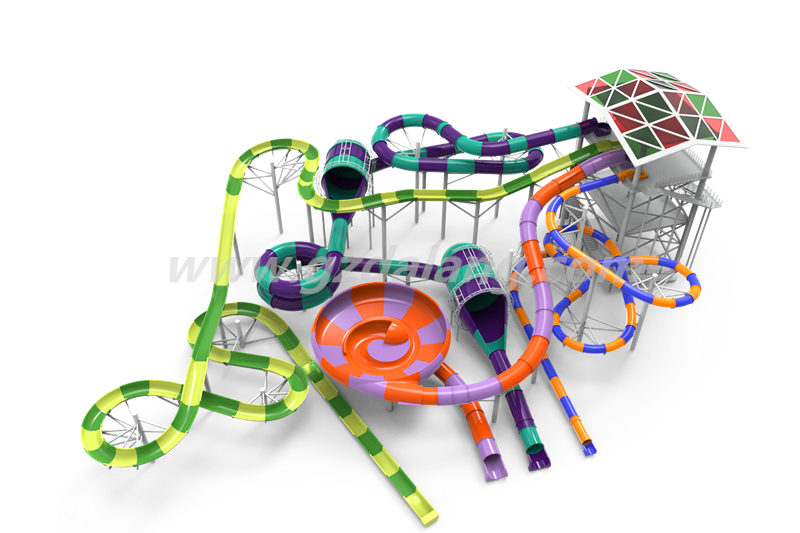
Look inside the build. Premium models use tighter mold tolerance, multi-directional roving in load zones, and a higher solids thixotropic resin to reduce voids. Standard builds often save cost with single-direction mat and thinner gelcoat layers. An operational teardown at a European supplier revealed that premium panels required 30–40% more material in shear zones, which translates to lower flexing and fewer stress fractures during peak throughput. When you evaluate a supplier, ask to see sectional samples from their water slide factory to confirm layup schedules and finishing steps.
Real-world anchor and lifecycle evidence
Schlitterbahn in New Braunfels, Texas, often appears in industry discussions because their high-use installations exposed differences in lifecycle quickly: heavier traffic accelerated failures on lighter builds while premium FRP sections held up much better. IAAPA attendance trends also show that parks recovered strong visitor numbers after pandemic slowdowns, which in turn stresses ride fleets more rapidly than forecasting models had allowed for. Those two facts together make lifecycle planning non-negotiable for commercial operators.
Maintenance patterns and downtime impact
Downtime is the hidden cost. Premium gelcoat and an anti-slip finish resist abrasion from frequent foot traffic and chemical exposure, reducing spot repairs. Standard rides commonly need gelcoat touch-ups every 18–24 months in high-use environments; premium assemblies often extend to 36–48 months. A shorter repair window saves labour and limits lost revenue—simple math for CFOs who track ride capacity and guest throughput.
Common mistakes to avoid
Operators sometimes focus only on upfront cost and ignore production parameters that matter most. Don’t accept unspecified laminate schedules, vague warranty clauses, or a quick gloss finish as equivalent to a heavy-duty build. Also, overlooking proper chemical balance in circulation systems speeds fading; calibrate sanitiser levels and test for chloride concentration routinely—small oversight, big surface damage over time. —A final thought: document every patch and finish change so warranty claims are straightforward.
Alternatives and retrofit options
If replacing a full run is out of budget, consider targeted retrofits: reinforcements in high-stress bends, re-gelcoating with a UV stabiliser layer, and localized re-lamination using matched resin systems. These interventions, often executed at the manufacturer’s service centre or a certified water slide factory, can buy several seasons of service at a fraction of replacement cost.
Advisory: three golden rules for specification
1) Demand disclosed laminate schedules and resin type—if a supplier won’t share the sectional build, that’s a risk. 2) Insist on measured abrasion and UV-resistance test results tied to explicit cycles or hours—look for quantified metrics, not vague claims. 3) Factor lifecycle cost into your model: combine material, labour, and predicted downtime to compare true total cost of ownership, not just initial purchase price.
Choosing wisely is about matching materials and production quality to expected throughput; that alignment is where premium fiberglass pays back. Dalang provides detailed build specs and service experience that help operators make that match—practical support, not puff. –