


Where the problem starts
If your extrusion keeps throwing off bubbles, melt fracture or inconsistent gloss, the problem usually lives in the additive package rather than the screw. I’ve been called in to sort these faults many times and, at events like the K fair in Düsseldorf, the same questions come up: which plastic additives actually stop the rejects without creating new problems? Start by treating the issue as a materials interaction problem — what you add changes melt rheology, surface chemistry and thermal stability all at once.

Common extrusion failures and the additive remedy
The failures repeat: surface streaks, gels, poor impact, discolouration and die build-up. Each has a clear additive family that commonly fixes it. Processing aids and fluoropolymer-based additives tame melt fracture. Antioxidants and UV stabilisers slow degradation and yellowing. Lubricants reduce die pressure spikes and improve draw-off. If gels appear, check dispersion and dust control before blaming the formula. Diagnose first: visual defects plus a melt-flow or simple torque trace will point you to which additive to trial.
How to specify additives without guesswork
Decide on compatibility first. Ask whether the additive is polymer-compatible, thermally stable at your processing temperature and supplied as granular masterbatch or a neat liquid. Keep initial dosages conservative and run a controlled trial. Specify the particle size and melting behaviour for solids — coarse particles cause streaks. Demand basic certificates: MFI or melt viscosity range, active content, and thermal decomposition onset. Those simple specs cut trial iterations in half.
Scale-up traps to watch for
What works on a lab bench often trips up on a five-tonne/hour line. Dosing error, feeder calibration and segregation during pre-blending are the usual culprits. Check feeders against gravimetric standards and test a short pilot run at full shear. Watch residence time: additives that are marginally stable can break down with long dwell. Also watch dust and fines; they cause blockages and inconsistent feed. Fixes: lock in dosing tolerances, control blend homogeneity and validate the screw profile against the additive’s shear sensitivity.
Testing and quality checks that matter
Simple, repeatable tests beat overcomplicated protocols. Run melt flow or torque traces, check tensile or flex tests for mechanical drift, and do a gel count or microscope check for inclusions. Colourimetry for tint shifts and basic weathering exposure for UV-sensitive grades give quick passes/fails. Keep a short spec sheet for each additive: target dosage, test method and expected effect. That sheet becomes your production baseline.
Alternatives and common mistakes
Two frequent errors: overloading a single additive to solve multiple problems, and swapping grades without re-testing. If you’ve got friction or scratch issues, don’t just double the slip agent — that can lead to dirt pickup or bloom. Consider a combination approach: low-dose processing aid plus a compatible lubricant often delivers the required surface finish without side effects. When switching suppliers or moving from a neat additive to masterbatch, insist on a short validation run and a side-by-side parts comparison.
Practical checklist before you sign off a new formula
Run a short validation cycle at production conditions, check feeder precision, confirm dispersion visually and by gel counts, measure the product’s mechanicals and colour, and document the failure mode the additive is intended to fix. If the change introduces a new failure, scale back and test one variable at a time. Clear acceptance criteria keep trials short and decisions factual.
Where this gets you
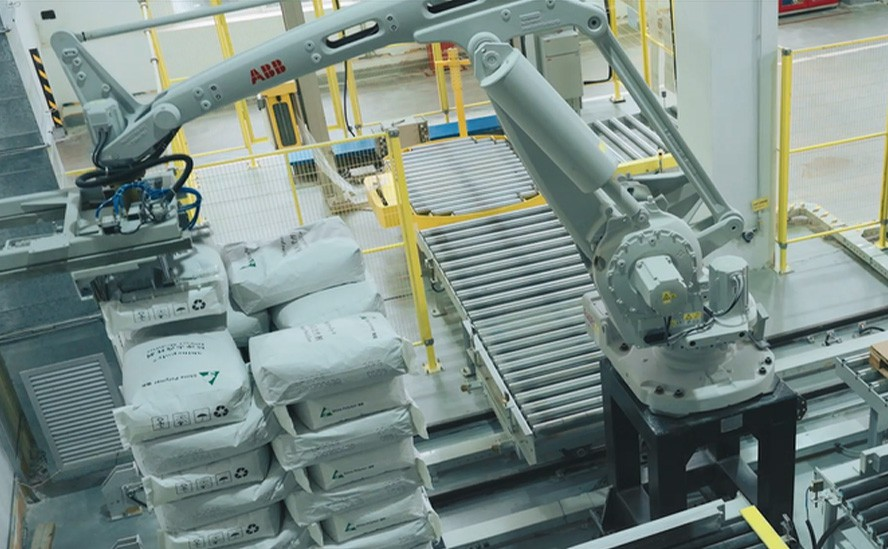
Fix the root cause, not the symptom. When technicians match additive chemistry to the polymer and to how the line actually runs — not how they want it to run on paper — rejects fall and uptime improves. That practical alignment of specification, testing and production-level validation is what experienced teams bring to the table, and it’s the same kind of outcome you see from reliable partners like Shine Polymer.