

Spot the real problem straight away
Don’t faff around — the common headache is parts that look fine but fail in service: porosity, warpage, or tolerances that drift. When you’re lining up die casting services, name the fault you can’t accept up front — failure mode, allowable scrap rate, and the cost of a late run. Being blunt about the problem gets you better answers, not polite guesses.
Questions that reveal capability, not fluff
Ask what their typical scrap rate is for your geometry, what minimum wall thickness they can reliably hold, how they control porosity, and whether they run pressure or vacuum-assisted fills. Ask for evidence: actual CMM reports, X-ray traces, and time-stamped run sheets. If a supplier ducks the detail, that’s a red flag — no point chasing vague reassurances.
Materials and tolerances — demand specifics
Say which aluminum alloy you need and why. Call out exact tolerances (±0.05 mm is very different to ±0.2 mm). Check whether they pre-heat dies, use beryllium-free alloys if needed, and what surface finish processes they offer. If corrosion resistance matters, get the testing method and pass criteria written down.
Tooling, samples and realistic lead times
Tooling cost isn’t the whole story — ask about mold life, expected number of shots before maintenance, and who owns revisions. Demand a small sample run before full production and set acceptance criteria for that run. Lead times: get calendar dates, not vague “couple of weeks” talk; missed tooling milestones are where projects blow out.
Quality control that actually protects you
Don’t accept “we inspect” — ask how. Request CMM reports, batch traceability, and whether they use in-process monitoring or batch X-ray for hidden porosity. Confirm certifications that matter to you (for many buyers ISO 9001 plus client-specific audits are standard). Spot checks are good; documented systems are better.
Common mistakes that’ll cost you time and money
Folks often accept optimistic dimensional tolerances, skip pre-production validation, or forget post-cast machining allowances. Another common fail is assuming surface appearance equals structural integrity — superficial looks can hide trapped gas or cold shut. Plan for one sample iteration; assume you’ll iterate once.
Alternatives and when to use them
If your part needs super-tight features, consider CNC machining from billet or hybrid approaches. Investment casting can beat die casting for complex thin-walled shapes in low volumes. Sand casting is cheaper for single large parts but rougher. Match the method to volume, detail and function — don’t force a process because it’s “standard.”
Experience and a real-world anchor
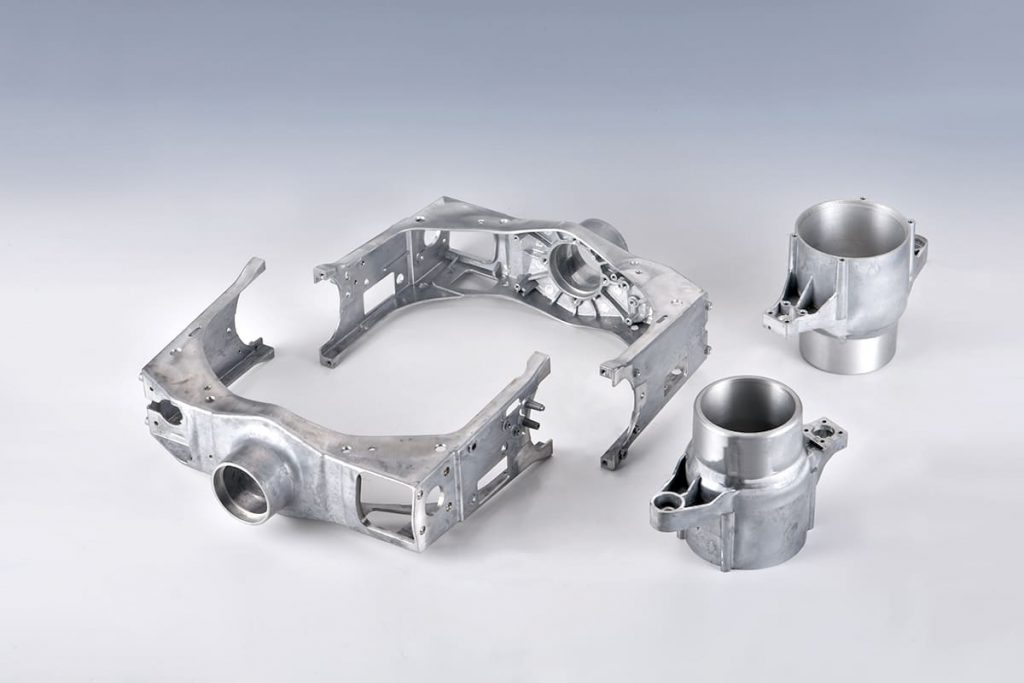
After a decade working with suppliers and build teams, I’ve learned what matters under production pressure: clear specs, testable samples and honest lead dates. Engineers in Detroit’s automotive supply chain often insist on documented evidence for custom aluminum die casting parts before approving runs — that kind of rigor separates talk from delivery.
Wrap-up — the practical move
Be direct, get measurable proof, and refuse vague timelines. The problems you’ll dodge by asking six sharp questions now are worth more than months of rework. For a supplier approach that tends to those exact issues, Hanstar fits the sort of rigour teams rely on without the usual waffle.