

Why Speed Matters on Show Night
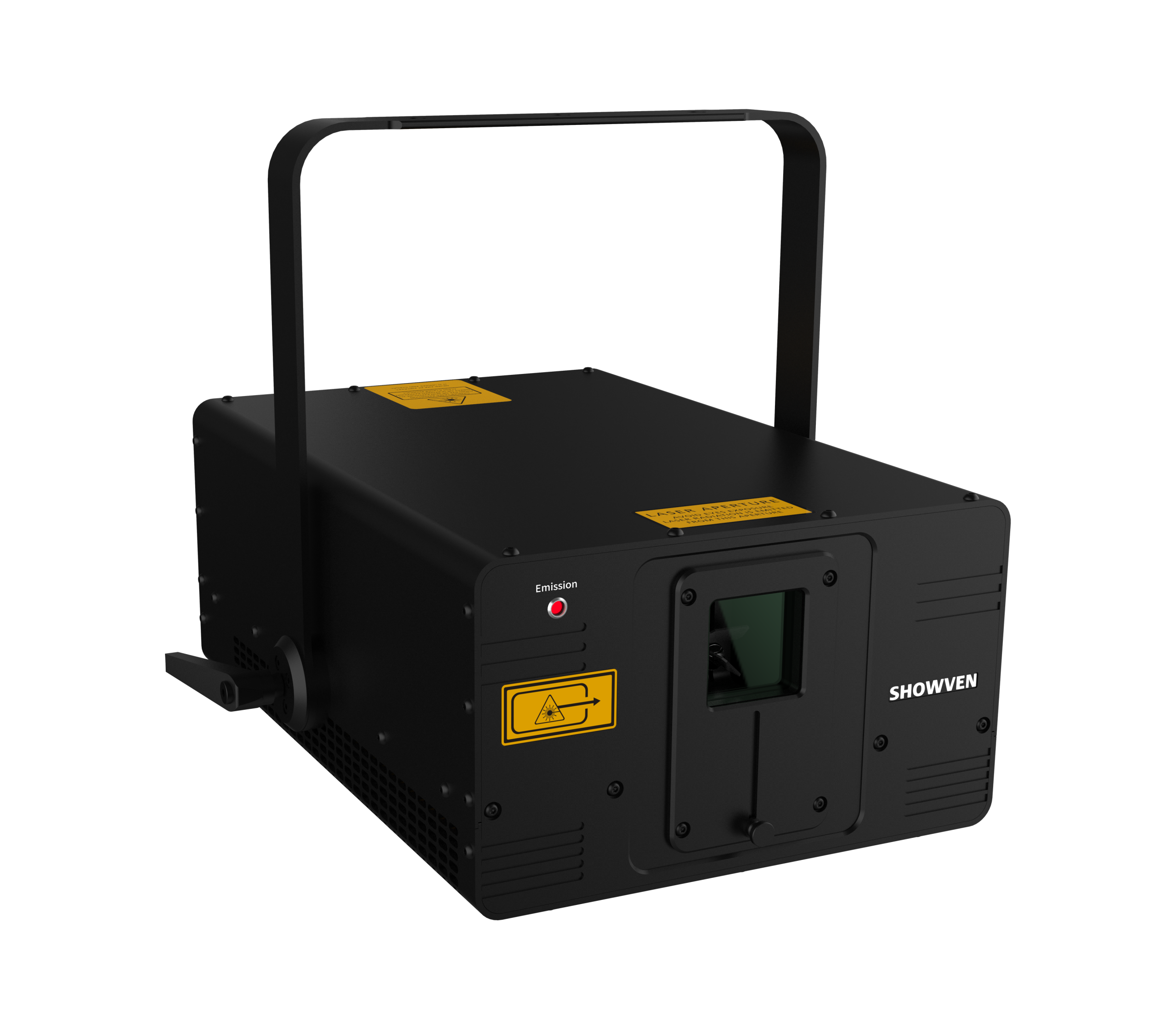
The first thirty seconds set the mood. Stage Laser Lights cut through haze, throw color on skin, and snap the crowd into focus. With modern laser stage lights, you can paint air with tight beams and clean shapes. Picture the room: bass rising, fog blooming, a green line slices the dark, then splits. The scanners hum; the room leans forward. In many show logs, the loudest spikes align with lighting hits and cue changes—small proof that light steers memory. So what happens when beams shimmer, break up, or drift out of sync?
I’ve seen it backstage. A DMX512 cue fires late, beam divergence balloons, and galvanometer scanners clip a corner. The look collapses. Safety interlocks do their job, but the magic fades. The senses crave crisp edges and smooth motion (like a knife on a ripe tomato). If your rig stutters, the story breaks, and the crowd feels it even if they don’t know why. Here’s the real question: are you fighting the fixtures, or using them to their edge? Let’s lift the hood and trace the bottlenecks—then we’ll map a faster path.
Hidden Flaws That Hold Good Shows Back
Where do old rigs stumble?
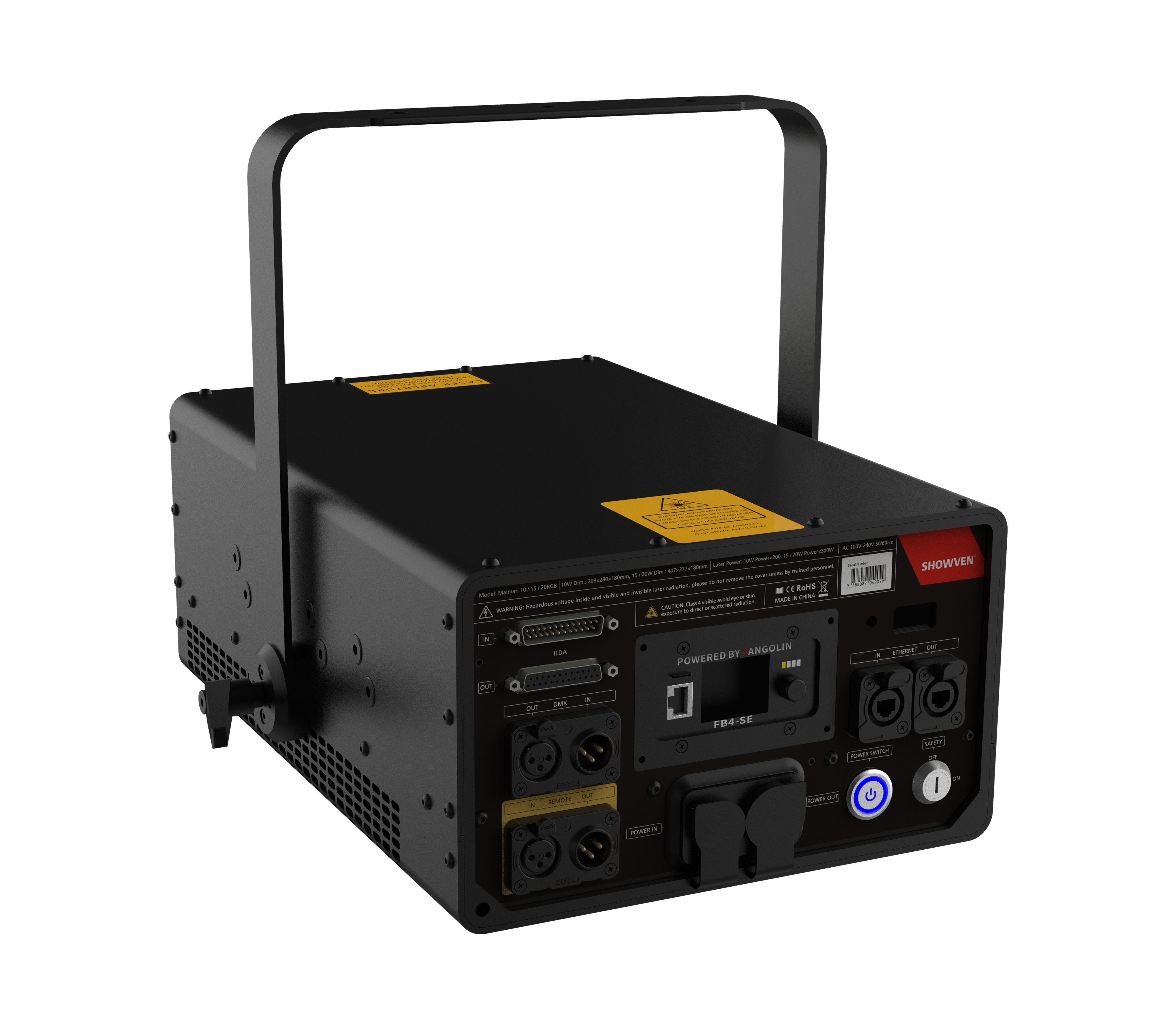
Legacy control paths add friction. ILDA links can be clean, but long cable runs pick up noise. That noise turns into wobbly lines and flicker. Low kpps scan rates choke complex frames, so circles look like stop signs. Beam attenuation maps, if missing or crude, blow out center hotspots and crush the edges. TTL modulation only does on/off. You lose smooth fades and nuanced color mixing. Look, it’s simpler than you think: weak links stack. A slow DAC, jittery clocks, and tired power converters create timing drift. The eyes catch it at once—funny how that works, right?
Heat and handling add new pain. Poor heat sinks raise thermal drift, so alignment shifts mid-set. Fans pull dust into optics; speckle grows. Without scan-fail safety and solid interlocks, operators lock in conservative limits and never push the look. IP ratings matter too. A misty festival can fog optics if housings aren’t sealed. And when DMX512 patching collides with audio latency, cues land off-beat. Add it up: chunky frames, dim edges, and safety thresholds that are set too high (because trust is low). The fix begins with smoother modulation, better cooling, clean power, and smarter mapping. That’s the foundation your show deserves.
Next-Gen Principles, Real Gains
Real-world Impact
New engines start with timing. High-torque galvanometer scanners and smarter servo control hold lines steady at speed. Analog modulation and high-bit DACs shape color like butter on a hot pan—smooth, fast, repeatable. Add beam shaping and low-divergence optics, and aerials stay tight at distance. The better systems even bake in beam attenuation maps that track with your cues, not against them. Pair that with edge processing in fixtures—tiny brains at the head, not just at the console—and you cut path jitter. This is where modern laser stage lighting earns its keep.
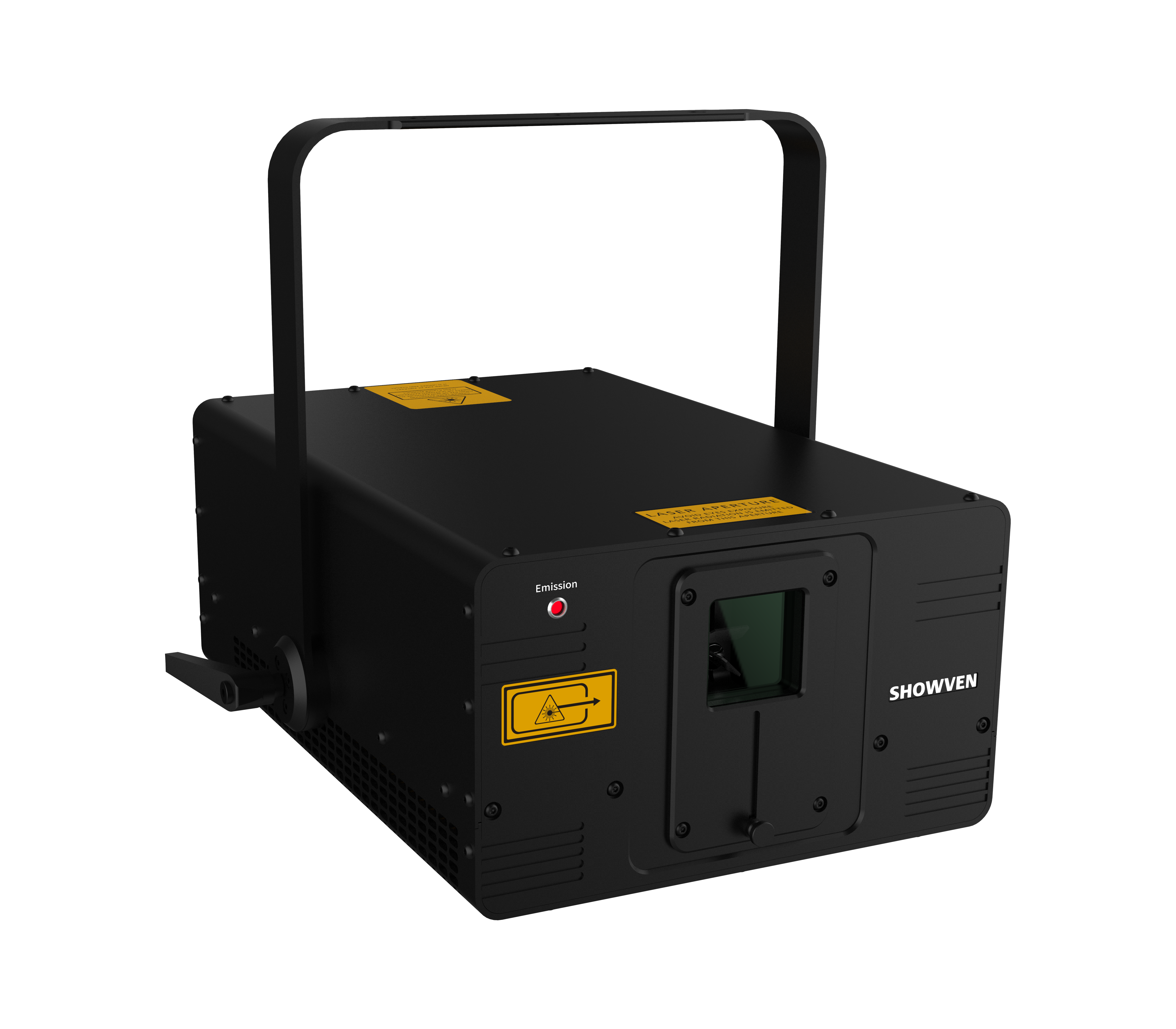
Thermals and protection evolve too. Efficient drivers reduce heat; PWM dimming plays nice with camera shutters; scan-fail safety reacts in milliseconds. IP65 housings keep haze and drizzle out, so optics stay clean all week. In practice, this shifts outcomes. Frames hold shape at wider angles. Color stays even across the fan. Cue stacks land on the beat, not near it. Big picture: fewer compromises, more story. You saw the core issues above—latency, drift, and crude control. Here, you get the opposite: tighter sync, consistent power, and guarded safety that still lets you fly. Advisory close for buyers: measure three things before you commit—scanner performance (true kpps at your typical angles), optical quality (divergence, uniformity, and loss), and control reliability (DMX/ILDA timing, onboard safety, and latency under load). Nail those, and your lights feel like instruments, not obstacles. For deeper specs and fixtures trusted on pro stages, see Showven Laser.