

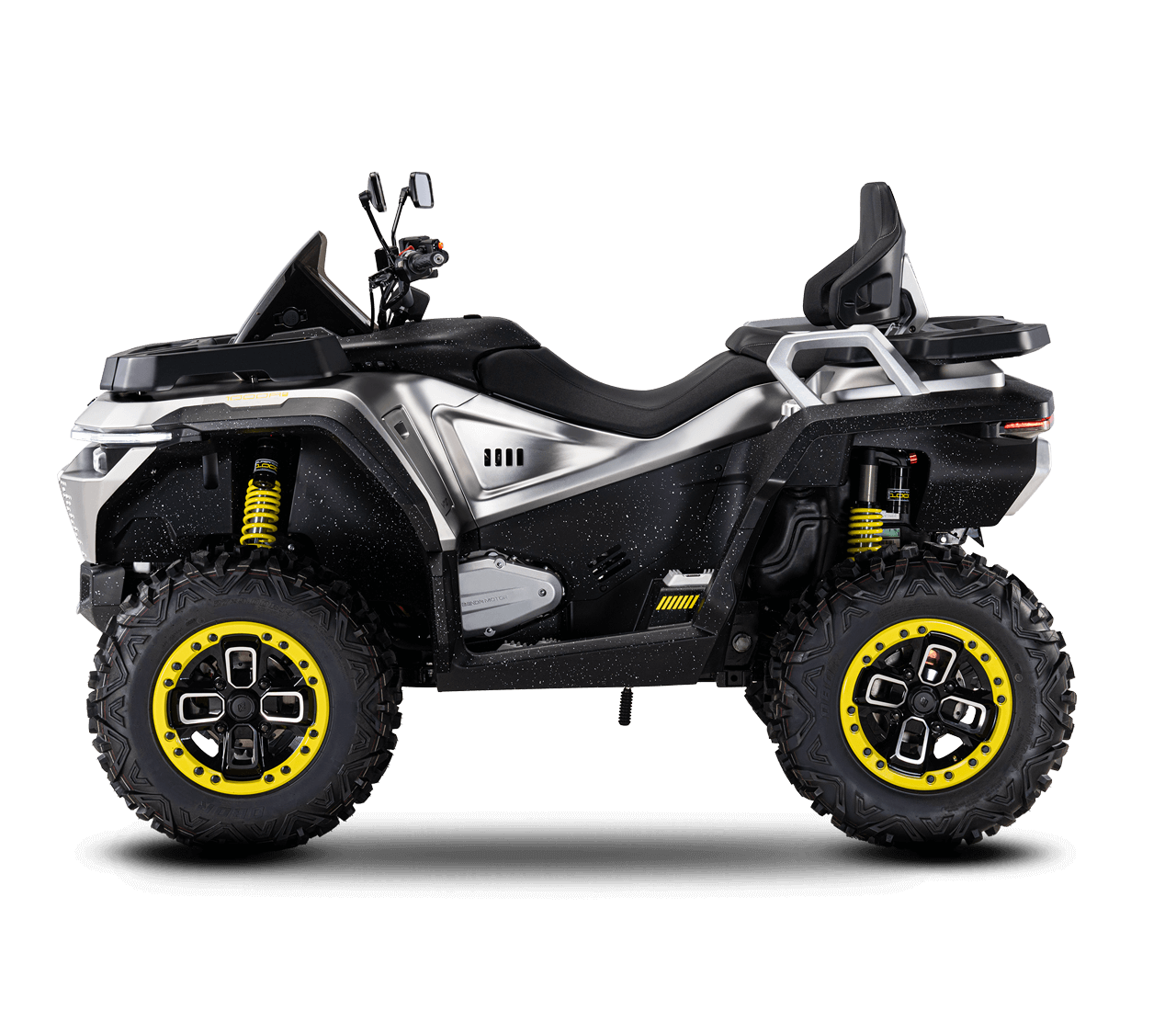
Introduction: The Sweet Spot, Defined
Let’s lay it out plain: the mid-size class is where work and play meet without the drama. A 500cc quad is built to haul, climb, and still feel nimble when the track gets tight. Picture a weekend on a bush block—fences to check in the morning, a sandy fire trail by arvo, then a muddy creek crossing for good measure. Data says most riders split tasks and fun at roughly 60/40, and the class norm hovers around 30–35 kW with a torque curve tuned for low-speed pull. But if the spec sheet looks good, why do some machines still feel sketchy on a rutted hill, or sip fuel like there’s no tomorrow?

Here’s the thing: raw numbers miss context. The wrong compression ratio for your load, or a half-baked differential lock, can turn smooth power into wheelspin. Even tyre choice and CVT setup shift the whole feel. So, how do you compare models without falling for shiny figures and sales bloke patter (no worries, we’ve all been there)? Let’s step through the key differences that actually matter—then stack them head to head.
Part 2: Hidden Pain Points That Trip Up Buyers
Why do “good on paper” specs fall short?
When you’re choosing a 4 wheeler 500cc, it’s easy to chase top speed, big torque, or a flashy dash. Look, it’s simpler than you think: the ride hinges on how those parts talk to each other. A strong engine with poor CVT clutch calibration can bog at low revs. That means the torque curve you paid for never hits the dirt. EFI mapping that’s fine at sea level might run lean at altitude, and the fix isn’t just a fuel tweak—it’s about sensor logic and the ECU’s load tables. Then there’s heat. Long hill climbs plus a heavy tow can push coolant temps up, leading to belt glazing in the CVT and a drop in pull when you need it most—funny how that works, right?

Another blind spot is electrical capacity. Winches, heated grips, and lighting upgrades demand stator output headroom and stable power converters. Without that, voltage dips show up as sluggish starts or dash resets. Suspension matters too, but not just “soft or firm.” Pay attention to damping rate at mid-stroke and swingarm geometry under load; that’s where chatter and bucking begin. And gearing ratio? It decides whether first gear crawls or stalls. The hidden pain points aren’t glamorous, yet they decide if your 500 survives a wet season without constant fettling. The takeaway: don’t just read the numbers—interrogate how the package delivers under real farm weight, real terrain, and real heat.
Part 3: Comparative Insights and What’s Next
What’s Next
Now, stack two modern machines side by side and think beyond the brochure. Many 500cc 4 wheelers are moving from “big engine, fixed setup” to smarter control. The principle is straightforward: better sensing, better control loops, better feel. New ECUs stabilise idle and throttle with finer pulse widths, so EFI mapping adapts to load without lurch. Some platforms pair ride-by-wire with terrain presets, tweaking CVT engagement and ignition timing—so crawl control is actually usable, not just marketing fluff. Add in improved stator output and sturdier power converters, and accessories stop tripping the system. It’s modular thinking—engine, clutch, and electronics in sync—rather than a single spec doing all the heavy lifting.
On the suspension front, you’ll see more attention to mid-speed valving. That protects comfort at pace while keeping ground clearance useful over rocks—small changes in shim stacks, big change in fatigue. Electrical backbones are improving too, with tidier harness routing and CAN bus diagnostics that reduce ghost faults. The result is simple: less wrenching, more riding. We’ve talked about heat, gearing, and electrical headroom already, so compare machines on how they manage those loads across a full day, not just a test lap—because that’s when the real differences appear. And that’s the kicker—durability shows up late, after the glam has worn off.
Advisory wrap-up—three metrics to use when you pick: – Thermal control under load: check coolant temp stability and CVT belt temperature on long climbs with a tow. – Drive delivery integrity: look for smooth take-up, useful first-gear crawl, and a CVT clutch that holds ratio without flare. – Electrical headroom: match stator output and wiring quality to your winch, lights, and charging needs, then confirm diagnostics (even basic CAN bus readouts help). Keep it practical, keep it honest, and you’ll find the kit that fits your land, your pace, and your weekends. BENDA