

Introduction: The Long Road, the Easy Seat, and the Catch
You pull out before dawn, breeze soft, mind clear. You hop on a cruiser motorcycle and point it west, chasing quiet miles. Many riders pick cruising motorcycles because the seat looks plush and the bars sit nice and high (irie vibes, ya know). Yet numbers tell a story: over half of long-haul owners report wrist or lower-back fatigue by hour three, and about 40% say heat soak and buzz make them stop early. So, if the recipe is “low seat, big torque, smooth roll,” why do some rides still wear you down?
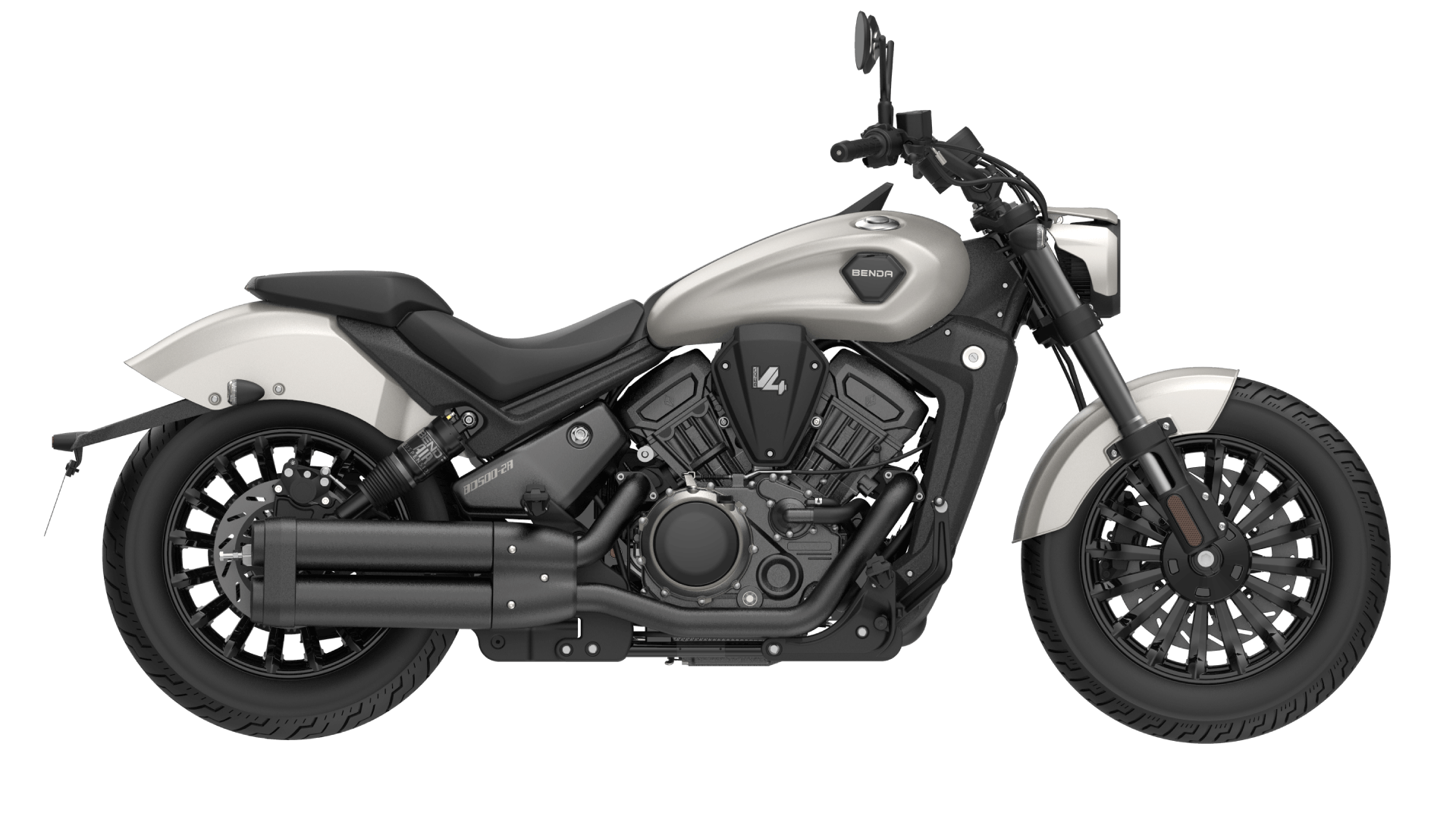
Here’s the twist—comfort isn’t only the seat. It’s the whole system: rake and trail, torque curve, vibration damping, and even how the ECU maps fuel at low rpm. Look, it’s not just style; it’s physics. And if the setup is off, the bike feels sweet at 40 mph but goes vague at 70—funny how that works, right? The question is simple: where do comfort and control clash on the open road, and how do we fix it for good? Let’s break down where the trade-offs hide and how to ride past them.
Deeper Layers: Why Popular Fixes Don’t Stay Fixed
What’s really causing the drag?
Most quick fixes chase symptoms. A thicker seat can mute shock, but it also changes rider triangle and shifts load to your wrists. Taller bars ease shoulders but can add steering leverage that fights stable geometry at highway speed. And wide floorboards? Good for boots, rough on hips if the knee angle locks. The real issue is system balance: rake and trail with bar height, final drive gearing with torque delivery, and grip shape with vibration amplitude. Without that balance, slip-assist clutches feel grabby in town, and low-speed fuel mapping surges in first and second. Then you add soft bags, shifting weight aft, and the chassis talks back.

Look, it’s simpler than you think: when the torque curve peaks early but damping is under-sprung, the bike squats, lifts the front a touch, and dulls feedback. Your mind works harder to hold a line, which feels like “comfort fatigue.” Meanwhile, the ECU may hunt between closed-loop and open-loop at cruise, so the throttle feels fuzzy. Add a belt drive that hums at a certain rpm band, and your hands tingle by mile 120—then it rains, and ABS tuning cuts in over rough paint. None of this is random; it’s small mismatches stacking up until you call it “just the bike.”
Comparative Insight: New Tech Principles vs. Old Habits
What’s Next
Old-school mods swap parts; new-school starts with signals. Modern CAN bus networks let the bike “listen” across systems, so you can tune throttle maps, damping, and even engine braking as a set. Semi-active suspension reads wheel speed sensors and adjusts rebound in real time—mere milliseconds—so weight transfer stays even. Think of it like lane discipline for forces, not just wheels. Pair that with a broad torque curve and a light flywheel, and mid-corner corrections shrink. The result? Your hands relax. You breathe. And then it clicks—control feels like comfort.
Compare two cruiser motorcycles on a windy day. Bike A uses fixed damping, tall pullback bars, and a rich low-rpm map. Bike B runs semi-active shocks, neutral mid-rise bars, and a refined closed-loop map at cruise. Bike A will feel plush in town but wanders with crosswind at 70. Bike B tracks straight, trims pitch, and keeps the ECU from hunting. Add IMU-based ABS for stable stops on rippled asphalt, and your wrists stop bracing for bumps. Even a smarter counterbalancer and better bar-end mass can cut high-frequency buzz without deadening feel. Small gains, big day. — and the miles go lighter.
So, what should you measure when choosing a path forward? Three metrics help: 1) Stability envelope: does the bike hold line at 65–80 mph with light bar input and steady throttle? 2) Load harmony: do seat, pegs, and bars keep your spine neutral over two hours, with no hot spots? 3) Signal coherence: do ECU mapping, ABS, and damping feel like one voice, not three? When those line up, comfort lasts and control grows. That’s the real win for long roads and short sunsets, with brands that keep refining the mix like BENDA.