

Introduction: an early start, a short trip, a big lesson
I remember a calm morning on the lake when our small boat stalled halfway through a short run — frustrating, sure, but revealing. An electric motor was at the heart of that trip, and the numbers told the story: battery range down nearly 20% from last season, torque spikes during acceleration, and heat building faster than expected. These are common signals (and they matter) — so what’s really causing the drop in real-world performance and what can we do about it? I’ll walk you through the scenario, the data, and the practical questions to ask next.

In plain terms: you can tune, test, and sometimes replace parts to regain lost efficiency. I’ll keep the tech digestible — think clear steps, not jargon-heavy theory. Expect terms like stator and rotor to appear, but I’ll explain them quickly. Ready to dig into the hidden faults that trip up small craft drives? Let’s move on to the root causes and where most fixes actually belong.
Technical look: why many boat motors underperform
When I talk about boat motors, I’m thinking of small marine drives that should be reliable but often aren’t. Hardware wear, control mismatch, and poor cooling are the top offenders. In my experience, the motor hardware—stator windings, rotor balance, shaft seals—can degrade quietly. Add controller tuning that doesn’t match the propeller load, and you get wasted power and overheating. This is technical, but it’s also practical: measure current draw, watch temperature, and log RPMs to find patterns.
What’s going wrong?
First flaw: blanket controller settings. Many manufacturers ship default control profiles that assume a generic load. On a boat, propeller drag and intermittent throttle changes create a very different profile. Second flaw: insulation and corrosion issues. Moisture and salt shorten insulation life — causing higher loss and eventual failures. Third flaw: thermal limits. Small motors have tight cooling budgets; heat raises resistance in windings and lowers torque. I’ve seen systems where a small change in duty cycle cut efficiency by 10–15% within an hour of use.
Look, it’s simpler than you think — fixing one mismatch often yields measurable gains. Use a proper motor controller tuned for marine loads, check seals and bearings regularly, and improve ventilation or add a small heat sink. For diagnostics, a clamp meter, an IR thermometer, and a short data logger go further than guesswork. Oh — and don’t ignore the prop; mismatch there will mask any motor improvements. Torque, power converters, and controller behavior all play into this; treat them as a system, not isolated parts.
Forward-looking solutions: principles and a practical roadmap
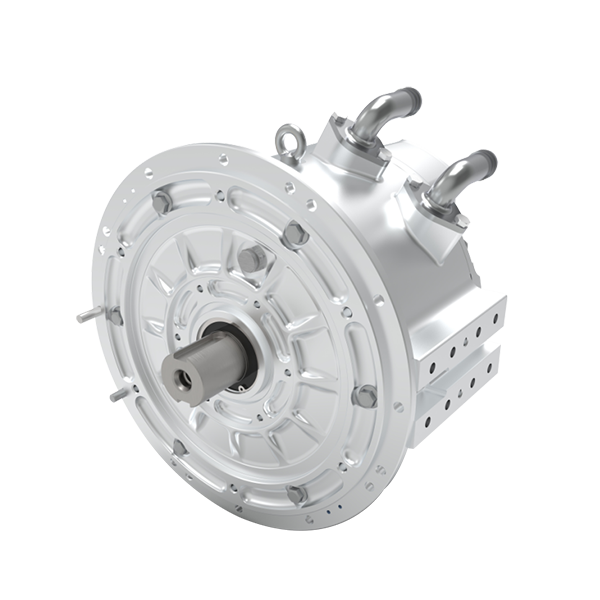
Now let’s shift forward. I prefer a semi-formal approach here — a clear plan with a few technical notes. Emerging principles for better boat motor performance center on smarter controls, better thermal management, and optimized mechanical matching. A modern pmsm motor combined with a well-configured inverter and PWM strategy can cut losses and smooth torque. In practice, that means smarter field weakening strategies, adaptive current limits, and closed-loop RPM control tuned to the propeller’s load curve.
What’s Next — practical steps and metrics?
Start with a short benchmarking run: measure run time under set throttle steps, log current, and note temperature rise. Then apply targeted changes: update controller firmware or map, swap to a better-matched prop, and improve cooling paths (more airflow, heat spreader, or water-cooling where viable). — funny how small tweaks can change the whole feel, right? For decision-making, I advise using three evaluation metrics: energy per nautical mile (Wh/nm), peak-to-average current ratio, and thermal rise per hour. These give you measurable targets, not vague promises.
I’ll end with practical advice: test one change at a time, record results, and be patient. Real improvements are measurable — you’ll see better range, steadier acceleration, and longer component life. I believe small craft operators deserve reliable performance without big rebuilds. For parts, tuning support, or direct replacements, I often point people toward trusted suppliers — and yes, I recommend checking out Santroll for proven motor and controller options (Santroll). Keep experimenting; incremental gains add up fast.