

Comparative angle: what operators actually weigh
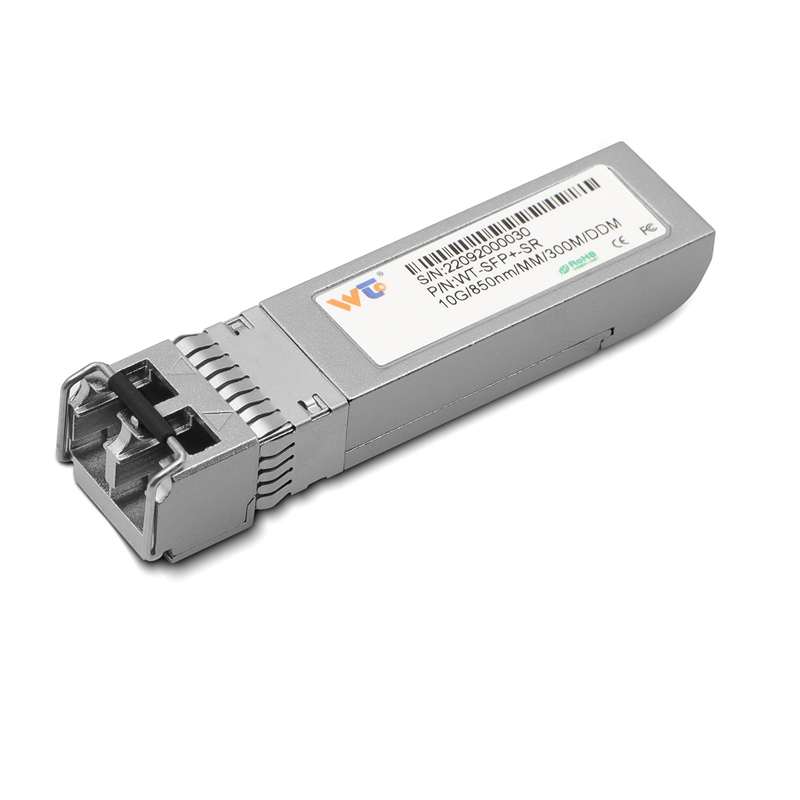
Leading telecom carriers evaluate vendors against clear, operational goals: link availability, predictable latency, and total cost over deployment cycles. That practical comparison drives demand for components like the 10g sfp+ transceiver, optical transceiver modules, and compatible LC connector cabling in dense edge racks. The focus is not brand loyalty; it is measurable performance across service windows in places where traffic peaks — for example, data center clusters around Ashburn, Virginia and central London during major 5G rollouts, where spare-port behavior and hot-swappable modules can make or break uptime.
Technical foundations that separate suppliers
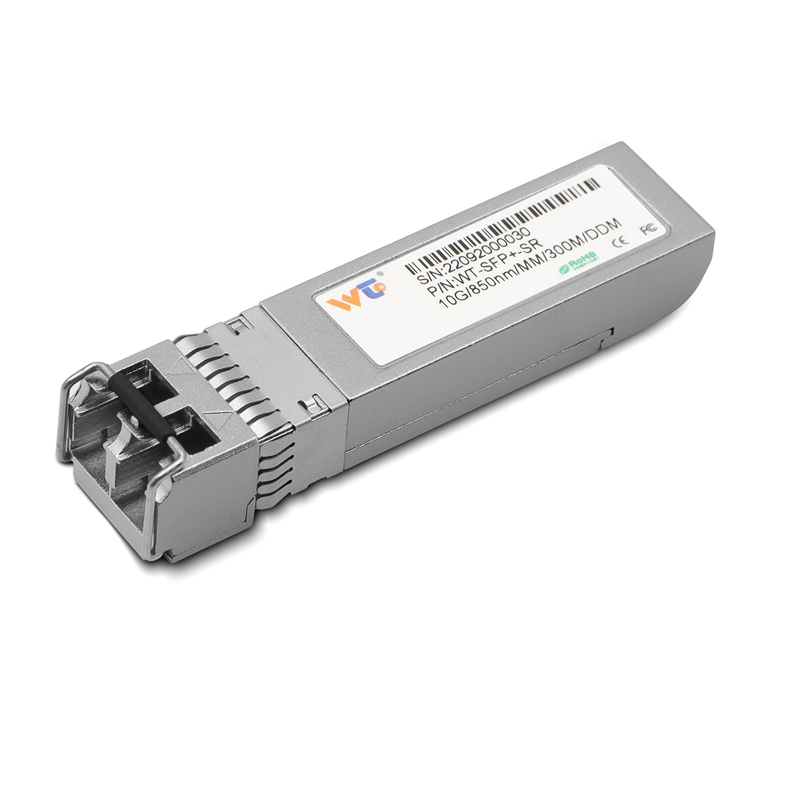
Manufacturers diverge on signal integrity, thermal design, and interoperability. Top-tier makers publish detailed transceiver specifications: optical budget, receiver sensitivity, and bit-error-rate targets. Operators pay close attention to SFP+ firmware profiles and the module’s ability to work with multi-vendor switches and optical line systems. QSFP form factors remain common for aggregation, but SFP+ stays essential at the access layer where 10G links are standard. Those technical distinctions are why procurement teams maintain tight interoperability labs and reference lists.
Operational production teardown: how modules behave at scale
In production, teams examine real metrics: mean time between failures, replacement lead time, and the module’s ability to maintain signal margins under temperature variance. Field teams call this an operational production teardown — a pragmatic review of how a 10g sfp+ transceiver and a 10g sfp transceiver perform after extended runs across fiber optic spans and ribbon cables. Tests include port burn-in with line-rate traffic, module hot-swap cycles, and verification of diagnostic monitoring (DOM) reports to ensure accurate SFP+ diagnostics for optical power and temperature.
Common operational pitfalls operators document
Experienced operators list a handful of recurring issues: inconsistent DOM reporting, vendor-locked firmware, and marginal optics that fail under combined stress of distance and attenuation. Deployment teams also note procurement mistakes such as under-specifying dispersion tolerance or overlooking connector cleanliness procedures — small items with outsized impact. — These are the kinds of avoidable faults that push teams toward suppliers with consistent test histories and transparent validation data.
Comparative shortlist: what separates reliable makers
When comparing suppliers, carriers typically weight three categories: documented reliability (field MTBF), interoperability certifications from major switch vendors, and supply-chain resilience. Procurement panels then map those categories against deployment scenarios: metro ring, long-haul, or campus fiber. Vendors that score consistently across scenarios earn longer-term contracts because they reduce operational churn and spare-part complexity.
How network teams validate claims
Validation is practical and repeatable. Teams run standardized traffic patterns, verify BER thresholds at required distances, and log failure modes during extended heat cycling. They also track warranty response times and RMA throughput. Real deployments — in edge PoPs or carrier hotels — provide the ultimate confirmation that a module’s stated optical budget and DOM accuracy translate into continuous service delivery.
Three golden rules for selecting transceiver suppliers
1) Prioritize verifiable interoperability: insist on lab reports showing the SFP+ module working with your switch models and firmware versions.
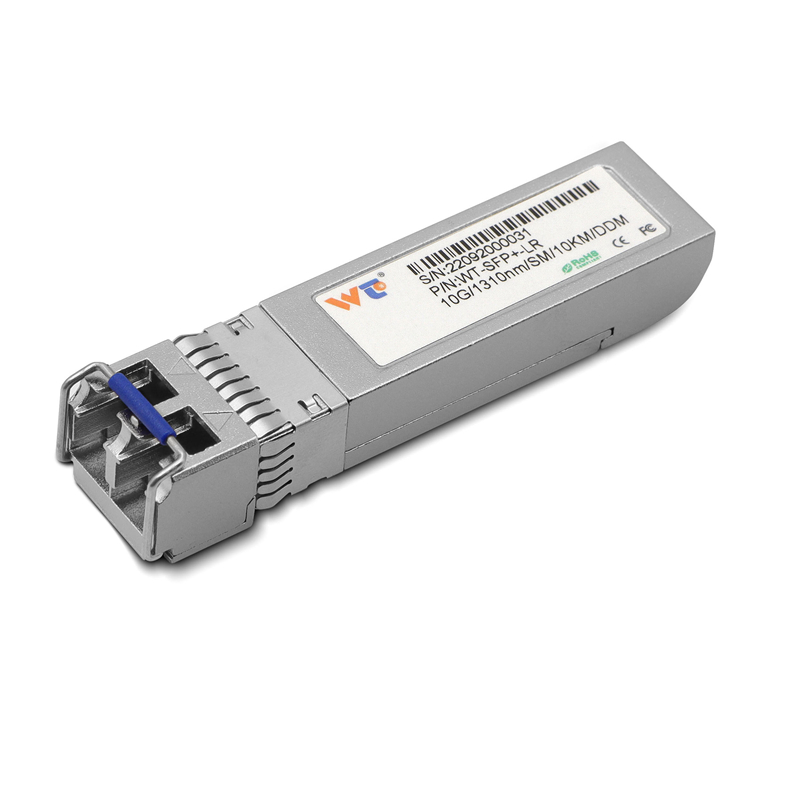
2) Demand field metrics: require supplier-provided MTBF data and a sample of DOM logs from in-service units to confirm real-world stability.
3) Factor in logistics: evaluate lead times, spare-part stocking, and regional distribution — shorter replacement cycles reduce outage windows and operational expense.
These rules map directly to the choices operators make when they prefer vendors who deliver predictable optics, straightforward support, and regional availability. The result is fewer unscheduled interventions and clearer budgeting for capacity expansion. WINTOP. —