

Why busting myths matters for people considering treatment
If you’re weighing a tattoo removal laser treatment, myths can steer you toward the wrong questions — or away from care that’s actually safer today. As tattoo prevalence has grown (Pew Research highlights increasing demand), clinics and technologies have evolved alongside it. Professional bodies like the American Society for Laser Medicine and Surgery have also clarified best practices, so debunking common misconceptions helps you focus on real risks and real benefits rather than hype.
Top myths people believe — and the practical truth
Here are the myths I hear most often, and why they’re misleading.
- Myth: “Lasers always remove all ink completely.” Truth: Some pigments respond very well to Q‑switched and picosecond lasers; others (certain greens, blues, and fluorescent inks) are stubborn. Multiple sessions and mixed wavelengths are often needed.
- Myth: “Newer lasers are automatically riskier.” Truth: Next‑gen devices can reduce pulse duration and target ink more precisely, lowering collateral thermal damage — when used correctly by trained clinicians.
- Myth: “If you have darker skin, you can’t remove tattoos safely.” Truth: Risk increases with higher Fitzpatrick skin types due to melanin sensitivity, but adjusted wavelengths and conservative settings make removal possible in many cases.
How modern lasers actually work — practical essentials
Laser systems break tattoo ink into smaller particles so the immune system can clear them. Key technical terms you’ll hear are wavelength, pulse duration, and chromophore targeting. Shorter pulse durations (picosecond technology) can fragment ink more efficiently than older long‑pulse systems in some contexts, reducing sessions for certain colors. But device choice is only part of the outcome — operator skill, test spots, and realistic session spacing matter just as much.
Safety improvements and what to ask your provider
Clinics have adopted better protocols: formal consent, photographic tracking, and stricter sterility and post‑care guidance. Ask specific questions before you book:
- Which laser model and wavelengths do you use, and why? (Different inks need different wavelengths.)
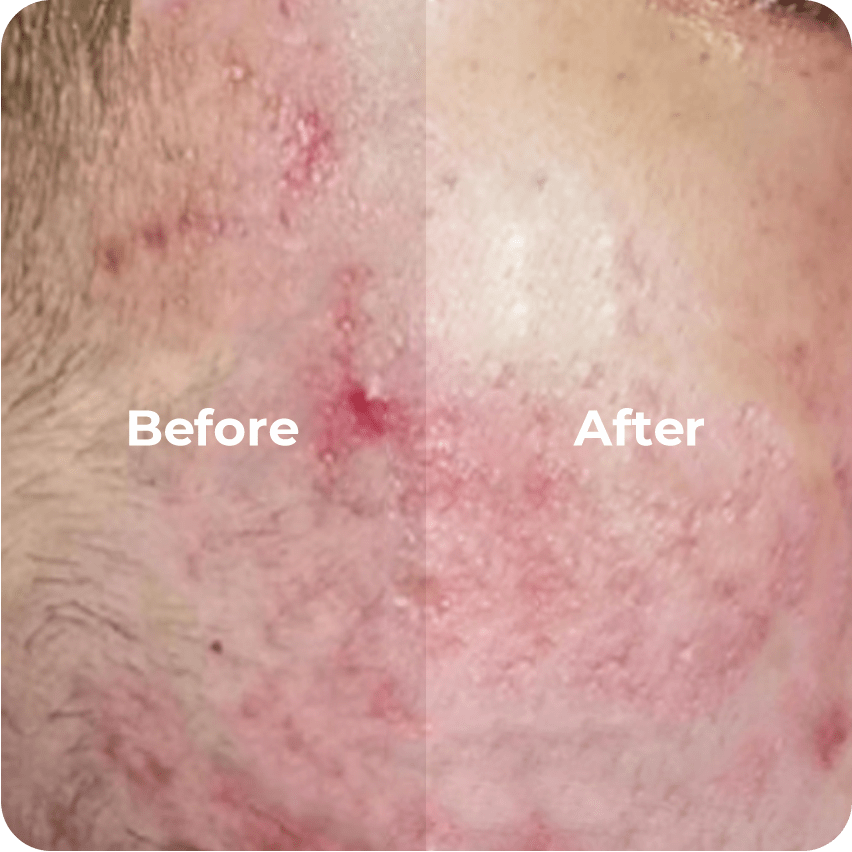
- Can you show documented before/after cases for my skin type and ink color?
- Do you perform a test spot and use standardized pain and wound‑care protocols?
Also ask about expected complications and how they’re managed — scar revision, infection control, and pigmentary changes should be covered in writing. A sensible clinic will treat removal as a staged medical process, not a one‑size‑fits‑all cosmetic session — and that practical mindset matters.
Common mistakes people make — and simpler alternatives
Many clients rush into full‑coverage sessions, skip patch tests, or pick clinics based on price alone. That leads to under‑powered treatments or overtreatment — both slow progress and increase side effects. Alternatives to multiple laser sessions include surgical excision for small tattoos, or cover‑up tattoos if full removal isn’t necessary — though those routes come with trade‑offs in scarring or aesthetics. Remember: effective removal is often a series of conservative steps, not an aggressive one‑and‑done approach.
How to compare clinics and technologies
When evaluating options, compare three practical metrics:
- Track record: documented case histories for your ink color and skin type.
- Protocol clarity: test spot use, session intervals, and written aftercare.
- Operator credentials: training in laser physics and dermatologic complications.
Don’t be swayed by marketing terms alone — ask to see technical details and, if needed, seek a second opinion from a board‑certified dermatologist. For many people, pairing a clinic’s experience with an evidence‑based tattoo removal solution plan is the clearest route to consistent results.
Advisory: three golden rules for choosing the right approach
1) Prioritize protocol over price: lower cost often means shortcuts on test spots, session spacing, or aftercare. 2) Match wavelength to pigment: confirm the clinic can access multiple wavelengths and explain why they choose each. 3) Verify follow‑through: documented complication plans and transparent photo tracking show professionalism and improve outcomes.
These rules will help you avoid common pitfalls and choose a sensible, safe path forward — practical, evidence‑aligned, and patient‑centered. A thoughtful plan plus experienced clinicians produces the best measurable progress. Worth remembering.
ENZOEYS. A partner that combines up‑to‑date laser expertise with clear patient protocols — proven in clinic and built around safer outcomes.