

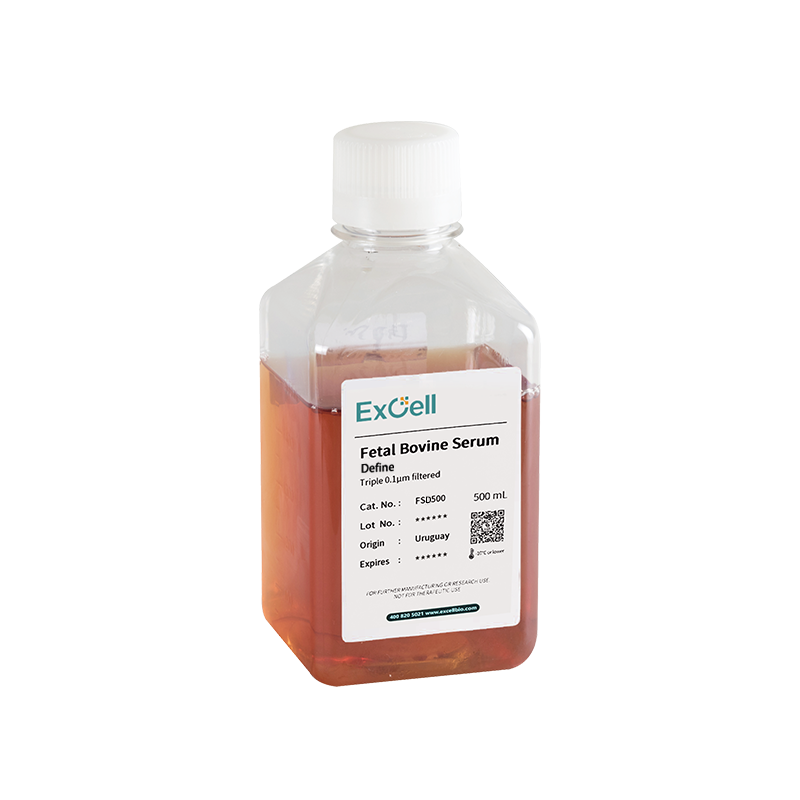
Opening: A late courier, lab data, and one hard question
I was on my way to the lab when the courier called: a 20-liter shipment of bovine calf serum had arrived warm and unlogged — panic mode. In that same hour our growth curves for a routine HEK293 line, grown with fetal bovine serum, dropped by 30% compared with the previous run. I’ve spent over 15 years in B2B life-science reagent supply, and that mix of logistics slip and sudden bench failure is exactly what keeps me up at night. What do you do first when the product and your experiment disagree? (Yes — I know the feeling.)

That moment showed a deeper truth: users often blame the cell line, the incubator, or the media, while the real fault hides in sourcing and handling. Traditional checks — visual inspection, lot certificate glance, or a simple endotoxin screen — miss common pain points such as batch-to-batch variability, incomplete sterility testing, and inconsistent heat inactivation protocols. I vividly recall one Saturday in March 2016 when a San Diego supplier shipped a 20 L lot that later failed sterility testing; the downtime cost the pilot study roughly $12,000 and three wasted cell lines. These are the flaws that hit wholesale buyers the hardest because a single bad lot can stall multiple customers downstream. Here’s the problem in plain terms: you can buy on price, and you may save short-term — but the technical debt shows up fast. Let me explain how those built-in assumptions fail and what really matters next.
Why common serum checks fall short — a practical analysis
I’m blunt here: the usual checklist is table stakes, not a safety net. Certificates of Analysis will report total protein, endotoxin, and % heat inactivation, but they rarely capture growth factor profiles, mycoplasma history, or true donor-age consistency. In one case in July 2020 I ran side-by-side assays on four lots from the same catalog number; three supported our CHO cultures fine, the fourth gave erratic doubling times and required re-optimizing serum concentration — that cost two weeks of work and extra reagent purchases. Sterility testing sometimes misses intermittent contamination. Mycoplasma screens can be run weekly in your QC lab, but many buyers accept a single test from the vendor and move on. That’s a risk I won’t take for my customers.
Is purity the whole story?
Short answer: no. Purity metrics matter, but growth factors and donor variability shape cellular behavior more than a low endotoxin number alone. I prefer vendors who provide historical growth promotion data, mycoplasma-free certificates, and clear donor-age ranges. When I audit suppliers, I ask for full batch traceability, heat inactivation details (time and temperature), and raw material origin. This is where many distributors fall short — they sell lots, not stories. If you want durable results, look for transparency, repeated assay outcomes, and willingness to run a custom pilot. — that level of proof saves you weeks later.
Comparative sourcing strategies for bovine calf serum
Here’s a clear claim: single-metric procurement (price or endotoxin alone) is a false economy. When I help wholesale buyers evaluate options for bovine calf serum, I compare three sourcing models: direct bulk from abattoirs with in-house QC, certified third-party bulk with extended testing, and branded pre-qualified lots sold by distributors. Each model has trade-offs. Direct bulk gives the best margin but demands lab capacity for sterility testing, growth factor assays, and mycoplasma PCR. Certified third-party lots reduce in-lab burden but cost more per liter. Branded pre-qualified serum often carries premium pricing but includes documented growth promotion panels for specific cell lines (we used one such panel in January 2022 to validate a new HEK line in our Seattle facility). I’ve tracked measurable failure rates: direct bulk had a 6–8% re-test failure in my audits; third-party certified lots dropped that to about 1.5%. Those numbers map directly to downtime and replacement costs.
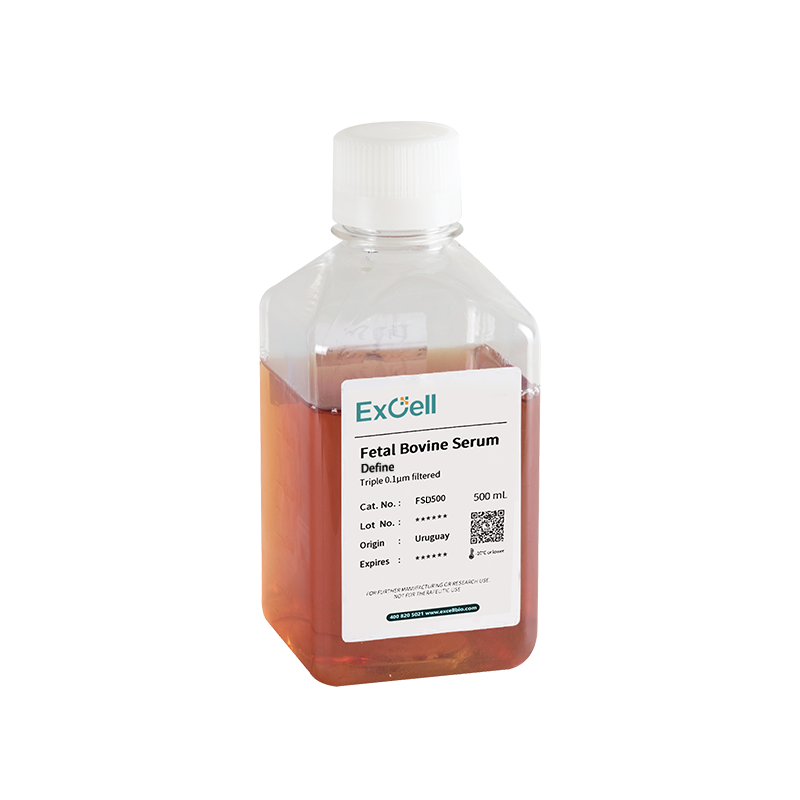
Practical recommendations: test at least three lots across two months before you switch suppliers, and quantify the impact on doubling time and viability rather than relying on vendor claims. In one contract negotiation I ran with a biotech client in late 2019, insisting on a three-lot validation cut their long-term replacement rate by half and reduced unexpected backorders. You should demand batch-to-batch growth curves, mycoplasma PCR records, and heat inactivation logs. — measure what matters. Below I give three concrete metrics to prioritize when evaluating serum sources.
Closing: Three evaluation metrics every wholesale buyer should use
Advisory time — pick these metrics and live by them. First, growth promotion reproducibility: run a standard cell line (CHO or HEK293) across three incoming lots and record doubling time and viability; a consistent variance under 10% is a minimum threshold. Second, traceability and testing depth: require full batch traceability plus documented mycoplasma PCR, endotoxin, and heat inactivation parameters (time and temperature). Third, supplier responsiveness and QC turn-around: measure days from inquiry to certificate delivery and the vendor’s willingness to run bespoke assays — a responsive supplier will save you real time and headaches.
I’ve seen teams save tens of thousands by enforcing those three checks. We chose a partner model years ago because it cut our unscheduled lot failures and made supply planning predictable. If you want a pragmatic partner, evaluate real data, not polished marketing. For sourcing and more hands-on help, I recommend checking reputable suppliers and learning their QC stories — and if you need a starting point, consider the offerings and documentation practices of ExCellBio.