

Identify the core problem you’re trying to solve
You need consistent particle wetting, no stubborn lumps, and a process that scales predictably — but what you actually get is variable batch quality and unexpected downtime. Start by naming the failure modes: incomplete dispersion, foaming, heat buildup, or abrasive wear. If you’re working from bench to pilot, try a lab powder mixer early to reproduce the feed behavior before you commit to a full production line; that simple step saves hours of blind troubleshooting later. I’ll guide you through the decisions that fix those failures rather than papering over them.
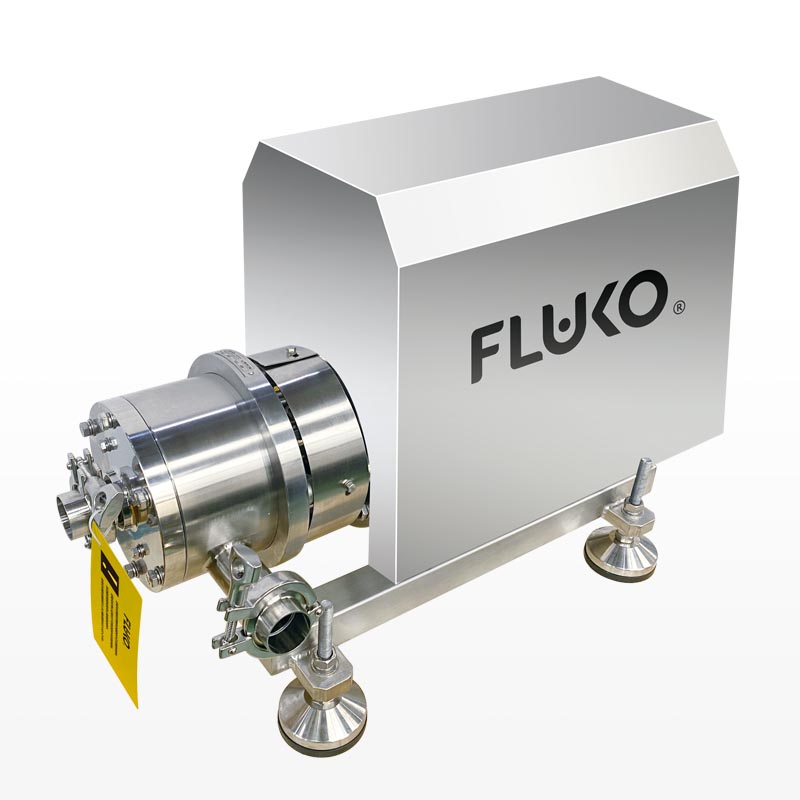
Match shear profile and flow design to your material
High-shear isn’t one thing. Choose by shear intensity (rotor tip speed), residence time, and whether you need in-tank dispersing or in-line homogenizing. Low-viscosity suspensions often do best with high-speed rotor-stator heads; pastes and slurries sometimes require staged emulsification or progressive cavity feed. Measure solids loading and target particle size first. If viscosity rises sharply with solids, prioritize a design that allows continuous recirculation to prevent dead zones. Pick seals and materials of construction to resist your solvent and abrasives; stainless steel grades and mechanical seals matter more than a few extra horsepower.
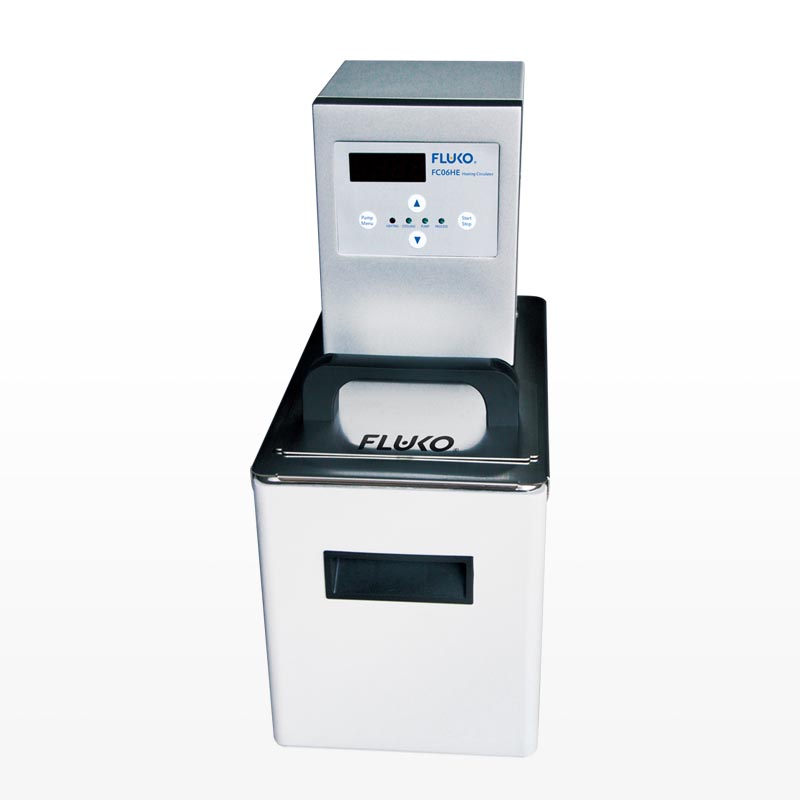
Common mistakes that sabotage results
People underestimate powder feeding and assume faster is always better. Bad powder metering creates air pockets and lumps; use controlled feeders or twin-screw additions to avoid that. Another frequent error is ignoring temperature control — some dispersions denature or agglomerate above modest temps, so integrate cooling early. Oversizing the motor without addressing blade geometry wastes energy and increases shear that can break delicate emulsions. Lastly, don’t skip a contamination risk review: non-wetted bearings or hard-to-clean crevices become quality hazards.
Alternatives and when to choose them
Ultrasonic processors deliver intense localized energy for nano-dispersion but struggle with high solids and scale-up. Ball or bead milling is robust for hard-to-break agglomerates but adds wear and secondary contamination risk. Static mixers are simple and low-maintenance for low-viscosity blends but won’t achieve fine particle breakup. Use high-shear in-line mixers when you want controlled residence time and easy scale-up; pick other technologies when abrasives, extreme hardness, or very small final particle size are the primary constraints.
Evidence, standards, and a practical anchor
I’ve reviewed pilot runs and specification sheets alongside quality teams in major pharmaceutical plants in Basel, Switzerland, and those teams expect reproducible feeding, CIP-friendly geometry, and traceable materials — criteria you should demand too. Industry reports and regulatory guidance on process validation underscore those priorities. For lab and pilot trials, verify performance with a representative powder liquid mixer and document feed rate, torque, and temperature so scale-up follows a data-backed path rather than guesswork.
A concise selection checklist
Start with: target particle size and acceptable distribution; solids fraction and viscosity curve; powder feeding method; desired throughput and continuity (batch vs continuous); cleaning and validation needs; and maintenance accessibility. Ask suppliers for torque vs speed curves, sample videos of your material if possible, and a clear spare-parts plan. If you’re comparing units, score them on those measurable factors rather than marketing claims.
Wrap-up: clear priorities lead to reliable choices
If you define the failure modes, quantify feed behavior, and insist on test data from representative hardware, selecting the right high-shear dispersion mixer becomes straightforward. That clarity steers choices about shear level, feed method, and maintenance — and it’s the same practical logic used by engineers who specify equipment from FLUKO to align laboratory trials with plant-scale performance.