


Comparative premise and scope
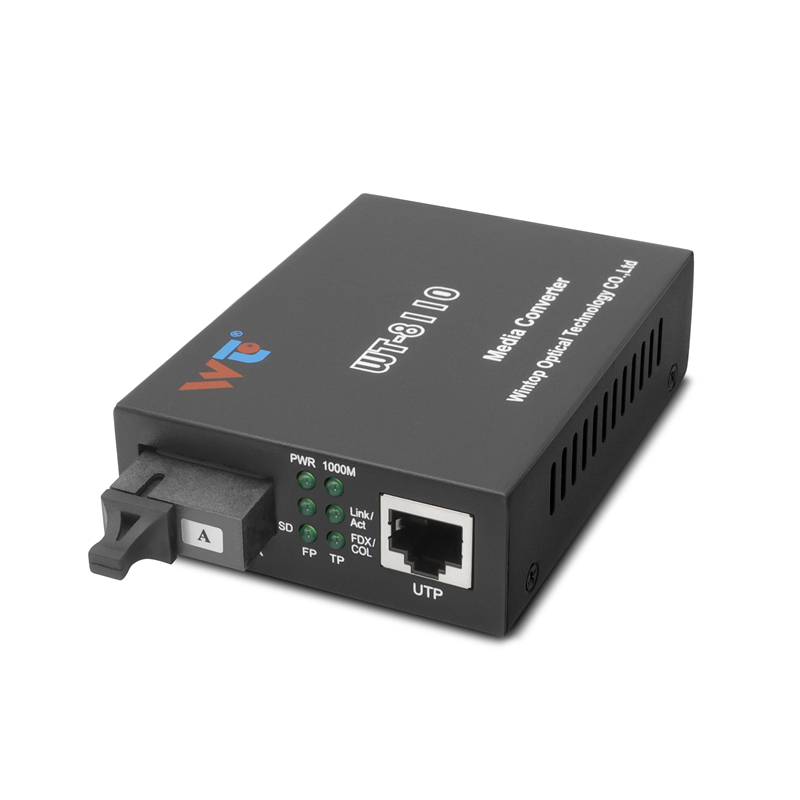
In comparative terms, selection of a managed industrial switch architecture must follow a structured trade-off analysis rather than aesthetic preference; this note proposes such an approach with emphasis on interoperability, deterministic performance, and maintainability. The practical comparison draws upon deployments at major exchange points—notably DE-CIX in Frankfurt, a real-world anchor for dense fiber aggregation—and on common edge requirements in factory and campus networks. Early in evaluation, include a physical layer test: evaluate a gigabit fiber media converter for baseline link stability and also consider a gigabit sfp media converter where modules must match switch SFP ports.

Primary criteria: latency, port type, and fault tolerance
Assess three technical axes with equal seriousness. First, deterministic latency and jitter under load: measure using small-packet streams and note variation in microseconds. Second, port flexibility: count SFP cages, fixed optical ports, and availability of PoE if devices demand power on cable. Third, fault tolerance: verify redundant power inputs, hot-swap SFP support, and whether the switch supports rapid spanning tree or hardware-based ring protection for sub-50 ms recovery. Use terms precisely: SFP modules and optical transceiver characteristics are decisive for reach and link budget calculations.
Architecture variants and their trade-offs
Compare three common architectures: modular chassis, fixed-port layer‑2/3 managed, and hardened DIN-rail industrial switches. Modular chassis give highest density and superior backplane throughput but add operational complexity. Fixed-port managed switches are economical for smaller aggregation points. Hardened DIN-rail units excel in environmental tolerance and simplified field replacement. For each class, weigh lifecycle cost, spare-part strategy, and firmware update practices. – A practical note: firmware update cadence matters more than initial feature list when devices are fielded for five-plus years.
Operational tests and integration checklist
Field validation must include: a) link burn-in with both copper and fiber transceivers; b) interoperability checks with existing PoE endpoints and VLAN segmentation; c) SNMP and NetFlow export tests for monitoring compatibility. Run SFP cross-vendor tests to detect autonegotiation anomalies and to ensure optical transceiver tolerances do not cause intermittent loss. Include a short-term load test using simulated SCADA or streaming video to observe buffer management and packet drop under sustained throughput. Keep measurements in log form for trend analysis.
Common mistakes and practical alternatives
Many teams default to highest port-count models, which often increases power and cooling overhead without proportional benefit. Another frequent error is relying on vendor-specific management agents exclusively; prefer standards-based SNMP and RESTful APIs for integration. When fiber reach is marginal, choose a media converter plus standard SFP, rather than an expensive long-reach transceiver — this reduces replacement complexity and inventory SKU count. Alternatives include using managed fiber-to-copper converters at the edge, or deploying small fixed switches with uplink SFPs to consolidate fiber spans.
Advisory: three golden rules for final selection
Rule 1 — Measure the effective link budget and choose SFP/optical transceiver classes that provide at least 3 dB margin under worst-case temperature and connector loss. Rule 2 — Prefer hardware features that enable sub-50 ms protection switching (e.g., ERPS or proprietary ring protocols) when application availability is above 99.9%. Rule 3 — Standardize on media conversion strategy: using a tested gigabit fiber media converter or gigabit sfp media converter family simplifies spares, training, and deployment.
These points summarise actionable metrics: link budget, protection switching time, and media-conversion standardization — apply them to vendor shortlists and to lab acceptance tests. The comparative lens described here leads naturally to predictable operational costs and fewer surprises during scale-up. WINTOP. – Final thought: architecture chosen well reduces incidents, preserves bandwidth, and eases life for field engineers.