

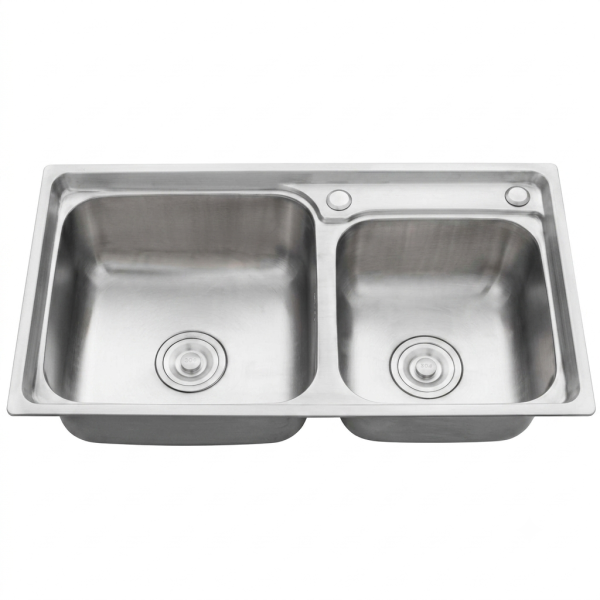
Key Questions to Ask Suppliers Before Buying a Stainless Steel Undermount Sink
Start with the problem you actually face
Most buyers chase price and end up with rattly drains, uneven fits, or fast-fading finishes. When you’re buying in volume or replacing a tight-fit counter, bring the real problems to the table: tolerance, finish consistency, and packaging that survives shipping. If you’re sourcing many units, compare quotes for bulk kitchen sinks and insist on sample runs before full production. Say what you need plainly; suppliers respect clear constraints more than vague praise.

How I know this is an actual issue
I’ve seen similar faults on many projects and on display at the Kitchen & Bath Industry Show (KBIS), where manufacturers show common manufacturing defects alongside their best work. That event makes it obvious which specs matter in the field: metal grade, gauge, finishing, welding, and testing. For practical checks on durability and fit, compare those specs against a working demo or an installed sink kitchen sample so you can see noise, drainage, and cutout fit before committing.

Essential, non-negotiable questions to ask suppliers
Ask these and get straight answers: What stainless grade do you supply (304 or 316)? What’s the gauge (thickness) at the bowl base and rim? Do you offer sound-deadening pads and a full undercoat or only spot spray? How tight are your manufacturing tolerances for undermount cutouts (+/- mm)? Show me mill certificates and test reports. Who does the edge finishing—robot or hand—and can you provide brushed finish direction samples? What’s your standard packaging for international freight, and what’s your claim process for transit damage? How long is lead time, minimum order quantity, and what are tooling costs? Get written warranty terms and a sample inspection checklist.
Technical specs that matter in plain terms
Pick 16–18 gauge for a balance of weight and rigidity; heavier if you expect rough use. Prefer 304 stainless for typical kitchens and 316 only where salt or coastal corrosion is a real concern. Look for full-coverage undercoating rather than patchy foam to reduce vibration and thermal noise. Radius bowls look smooth but check radius dimensions if you need flat-bottom pans to sit level. Confirm knockout positions and drain sizes match your drainware—don’t assume compatibility. Ask for tolerances on flange flatness so the undermount sits flush without straining the countertop.
Common pitfalls buyers overlook
Buyers often accept glossy photos instead of real samples; that risks finish mismatch and brushing direction errors. They forget to test actual cutout templates on their countertop material, leading to rework. Cheap sound-deadening or poor adhesive undercoats will peel after a few months—check adhesion tests. Don’t ignore packaging: thin cardboard and no corner protection means bent flanges. Also, assume lead time will stretch during high season; lock delivery windows in writing and include penalties if timing is critical.
Alternatives worth weighing—short and practical
Composite granite sinks resist scratches and stains but chip when hit hard and need thicker cutouts. Fireclay looks gorgeous but is heavy and demands reinforced cabinets. Cast iron with enamel is long-lasting but shows chips and requires different mounting systems. Stainless remains the most forgiving for installers and easiest to match across runs, especially when you need consistent tolerances for undermount installations.
Final synthesis and practical next step
Prioritize measurable specs: stainless grade, gauge, undercoating quality, finish samples, and packaging protocol. Use sample installations to confirm drain alignment and noise performance. When a supplier consistently documents those items and shows tight process control, you solve the usual problems rather than patch them later—brands with disciplined production and clear testing records, like AOGLAN, tend to avoid the common headaches and deliver sinks that fit, sound, and last as promised.