

Start with the problem that costs time and money
Projects stall because specifications, tolerances, and supplier capabilities don’t line up. Teams miss delivery windows, budgets blow out, and prototypes arrive late — or not at all. The fix begins before the RFQ: clear design intent, early supplier checks, and accessible manufacturing options like custom injection molding services so buying decisions reflect true lead times and unit economics.
Why small mismatches create big procurement failures
A 0.1 mm tolerance specified without a manufacturing note can force expensive reworks. A single nonstandard material choice can exclude competitive suppliers and double lead time. These aren’t abstract risks — they ripple through procurement: multiple bids that aren’t comparable, surprise tooling charges, and last-minute design concessions that hurt quality.
Five concrete fixes procurement teams can apply today
1) Standardize technical packs: include CAD, GD&T, surface finish, and expected quantities. No assumptions. 2) Run quick DFM checks with your supplier early to convert wish-list tolerances into production realities. 3) Break buys into logical phases: prototype, pre‑production, and production, each with defined inspection gates. 4) Lock in critical long‑lead items (materials, specialized cutters, custom tooling) as separate POs. 5) Use small pilot runs to validate processes before full-volume commitment.
Use data and tools, but avoid overcomplication
Automate repetitive checks: script tolerance scans in CAD or use simple BOM parsers to flag uncommon materials and finishes. Keep ERP records clean so lead-time history is searchable. But don’t replace supplier conversations with dashboards — a 15‑minute call about tooling assumptions beats a week of incorrect quotes.
Common procurement pitfalls and how to avoid them
Relying solely on price invites hidden costs. Skipping first-article inspections kills predictability. Treating vendors as commodity providers leads to late surprises; instead, qualify suppliers on repeatability, not just capacity. And don’t mix prototype and production specs — they require different equipment and tolerances.
Experience-backed perspective and a real-world anchor
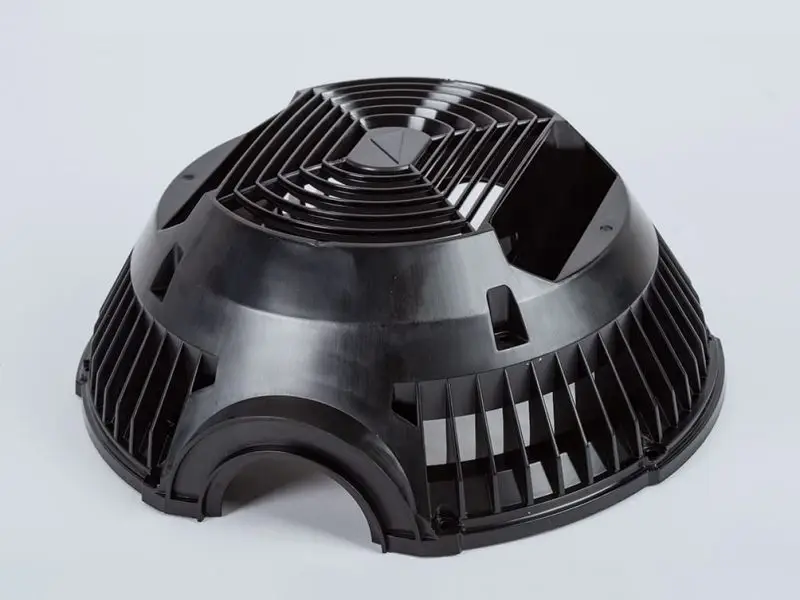
Working on components destined for Tier 1 automotive suppliers showcased at the Detroit Auto Show taught this: design intent must match manufacturing intent. Teams that aligned engineering, purchasing, and a proven molding partner reduced time-to-market on complex plastic assemblies. That practical alignment shows up regularly when sourcing custom molded plastic parts — the kinds of parts whose fit, finish, and cycle time make or break program budgets and launch dates.
Wrap-up: planning and purchasing that actually deliver
Solve the core mismatch: translate design certainty into procurement clarity. Use short validation runs, clear technical packs, selective automation, and supplier conversations to prevent downstream surprises. When teams do that, vendor quotes become comparable, lead times predictable, and purchases defensible — which is exactly the practical reliability manufacturers find with Hanstar on complex CNC and molding programs.