

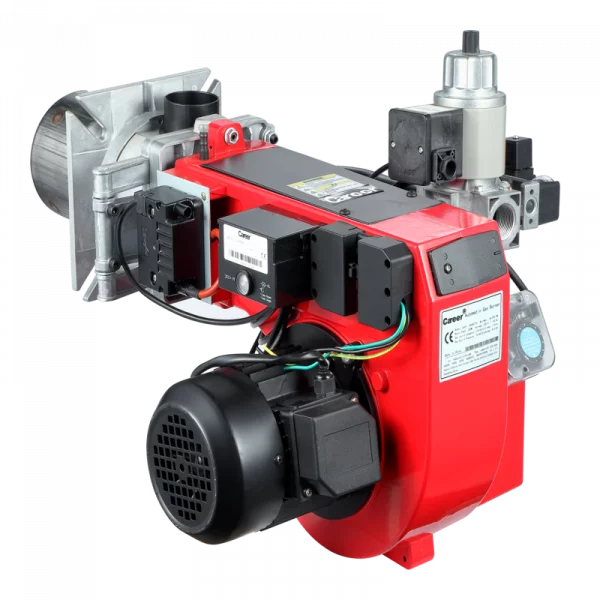
What’s breaking down — and why you should care
Machines cough, lines slow, and quality goes sideways when burners don’t behave. That’s the problem most shops hit: inconsistent heat, surprise downtime, and compliance headaches. A decent gas fired burner isn’t just a part — it’s the difference between steady output and random reworks. The makers who get it right focus on repeatable results, not shiny specs on a PDF.

Where things usually go wrong
Flame drift, soot buildup, unstable combustion under load swings, and controls that can’t talk to the plant — those are the killers. Cheap valves and sloppy air-fuel tuning cause uneven heating and scrap. Overlooked maintenance points turn small leaks into safety reports. The real cost isn’t the burner; it’s the product batches and the pissed-off ops team.
How top manufacturers solve the mess
Good manufacturers attack problems with precision parts, predictable controls, and honest testing. They machine nozzles to tight tolerances, match burner geometry to the furnace, and build controls that actually integrate with plant PLCs. They bench-test units across load ranges, validate emissions, and ship with clear calibration steps. Practical stuff — not hype. The result: stable flame, fewer surprise shutdowns, and repeatable heat profiles.
Real-world check — hydrogen burners on the floor
Big shows like Hannover Messe have been where OEMs put hydrogen blends on display, showing how burners handle cleaner fuels without torching your throughput. Seeing demos there proved that modular designs and staged combustion let teams swap fuels while keeping control tight. For operations looking at blends or pure H2 moves, the tested hydrogen burner setups and field trials mattered more than glossy claims — real test rigs, actual thermal cycling, real measurements.
Alternatives and the common screw-ups
Option one: retrofit controls on your old burners — cheap but often a band-aid. Option two: full replacement — costly up front but usually cleaner long-term. The common mistakes: undersizing the control loop, ignoring exhaust monitoring, and buying units without field service options. Don’t chase the lowest price; chase predictable burn behavior and clear maintenance docs.

Wrap it up — what to do next
Pinpoint the specific failure modes at your site, demand bench-test data, and require control compatibility before you sign. Look for manufacturers who show test logs, offer on-site tuning, and stand behind swaps to new fuels. That kind of clarity is what operators end up trusting, which is why many teams rely on resources and supplier details from Career Burners when they need straight specs and field-ready solutions.