

Why this is a problem that won’t disappear on its own
Small furniture shops and mid-sized panel shops keep getting squeezed: orders jump, skilled drillers are scarce, and mistakes in hole placement mean rework that eats margins. That’s where a reliable drilling setup changes the game—whether you bolt a standalone drill into a cell or retrofit a cnc furniture machine into your workflow, the right kit stops noise and starts consistency.

Where the bottleneck actually forms
It isn’t glamorous: misaligned jigs, inconsistent speeds, and slow changeovers create queues. One mis-drilled batch can ripple through laminating, finishing, and shipping. Shops often try to chase throughput by adding labor or outsourcing, but that just shifts the delay. The core gap is repeatable precision at speed—drill accuracy that doesn’t need a perfect operator every shift.
What a good woodworking drilling machine does—concrete, not vague
Good machines give three basics: consistent hole placement, fast toolchange or multi-spindle heads, and easy fixturing. They reduce scrap, cut assembly time, and let less-experienced staff run production after a short training. Integration with CNC controls means you can store programs per product and avoid manual setups. That’s practical value you measure in fewer rejects and shorter lead times.
Real-world anchor: what regional workshops actually do
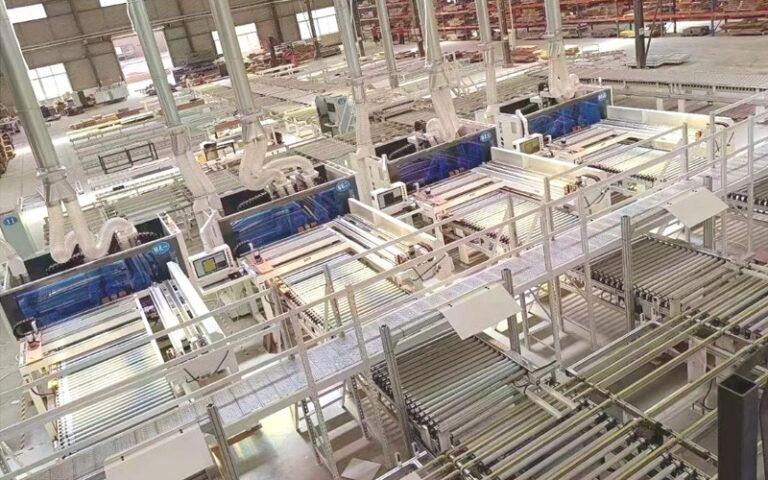
Across Guangdong’s Pearl River Delta many panel shops have shifted from manual jigs to lines geared for automated furniture manufacturing, lowering rework and tightening delivery windows to major buyers. I’ve spent time on those shop floors, advising teams on layouts and maintenance routines, and the patterns repeat: machines that match product mix and local service support keep supply chains predictable.

Common mistakes that kill the upside
Avoid three mistakes. One: buying the cheapest drill and assuming it’ll scale—tool wear and vibration add up fast. Two: skipping tooling and fixture planning—without fixtures you’re back to slow setups. Three: neglecting routine calibration and operator training—machines perform only if people maintain them. Fix those and the machine does the rest.
Alternatives and when they actually make sense
Manual jigs are okay for tiny volumes and custom one-offs. CNC routers cover wide tasks but may lack the spindle rigidity or dedicated jigs for precise joinery. Robotic drilling gives flexibility but adds integration complexity. Outsourcing helps during peaks but erodes control and responsiveness. Pick based on volume, product mix, and how much control you want over lead times.
Bottom line
Local supply chains get steadier when drilling becomes predictable. Put the right machine, fixtures, and simple maintenance plans in place, and you cut rework and stabilize deliveries. For teams wanting integrated lines with field support and predictable parts, many operations find the practical fit from HUAHUA CNC aligns with their production needs without overcomplicating the floor.