

Framework Overview
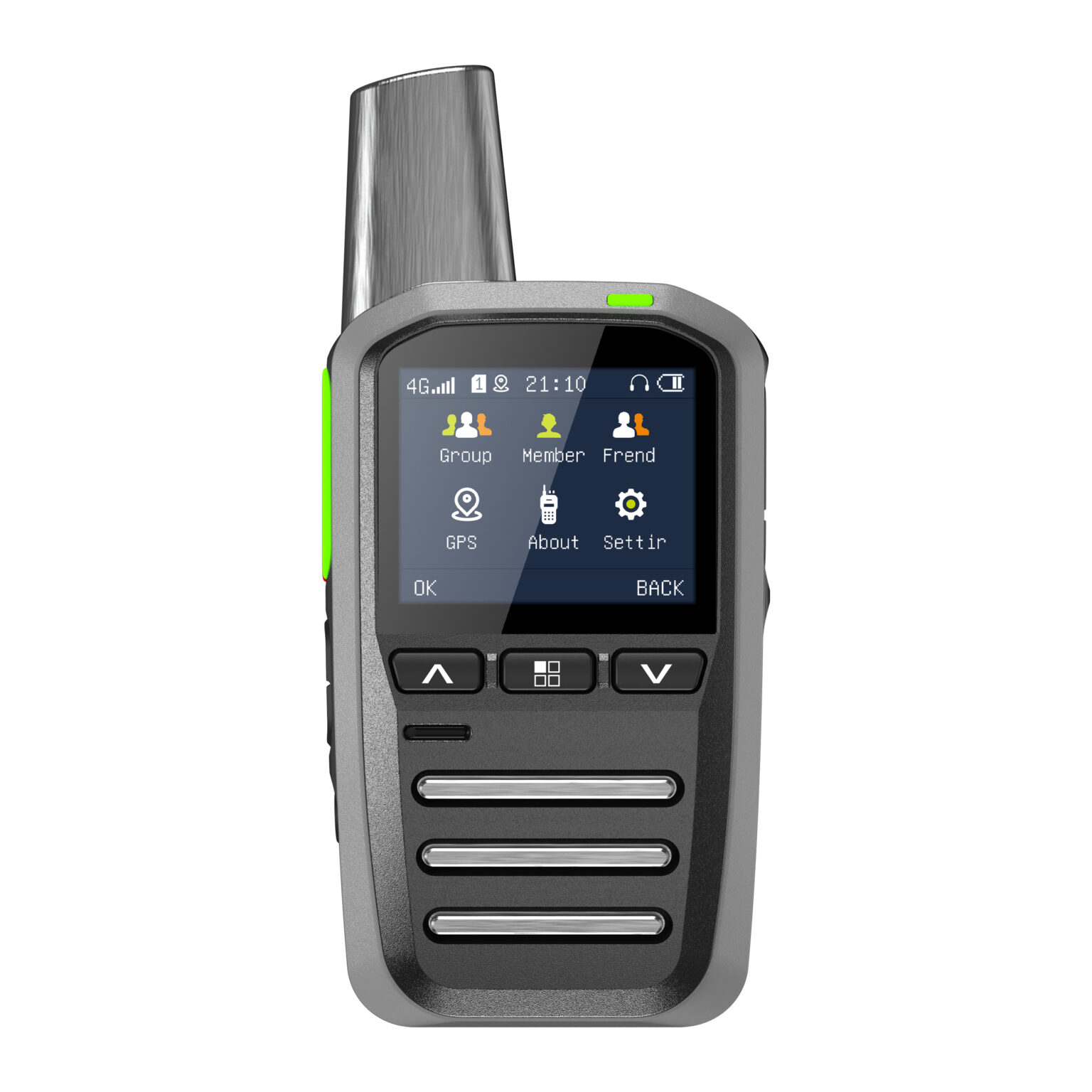
This text sets forth a structured legalistic framework to determine which commercial two‑way radio satisfies statutory duty, operational mandate, and evidentiary needs. The framework proceeds from definitional clarity to risk allocation, then to technical validation and vendor due diligence. Begin with concrete criteria: authentication, measurable encryption standards, spectrum compatibility, warranty terms, and documented chain of custody for equipment. Compare those criteria against exemplar units such as the secure 2 way radio to ground specification drafting and procurement decisions.
Definitional Phase: Terms and Minimum Specifications
Define core terms with precision. “Secure” must reference cryptographic primitives (algorithm, key‑length, mode), not marketing language. “Interoperable” must state the protocols and frequency bands required. Draft minimum specifications that a vendor must meet as contractual representations and warranties. Require certification references (e.g., FIPS, ETSI) where applicable. Avoid vague performance targets; prescribe measurable metrics—bit error rate, latency under load, battery endurance hours at specified duty cycles.
Risk Allocation and Compliance Mapping
Allocate risks with contractual clarity. Identify critical failure modes (radio silence, spoofing, replay attacks) and assign remediation obligations: on‑site spares, escalation SLAs, and indemnities tied to misuse or cryptographic failure. Map procurement specifications to applicable regulatory regimes—spectrum licensing, export controls, and data protection obligations—so that compliance becomes a contract deliverable rather than a later audit finding.
Technical Validation Protocols
Specify test procedures. Insist on third‑party lab reports for RF performance, encryption verification, and electromagnetic compatibility. Require field acceptance tests under representative conditions: urban multipath, rural line‑of‑sight, and building penetration scenarios. Require a documented test plan, pass/fail criteria, and retained test artifacts as part of the contract archive for evidentiary preservation.
EEAT: Experience, Expertise, Authoritativeness, Trustworthiness
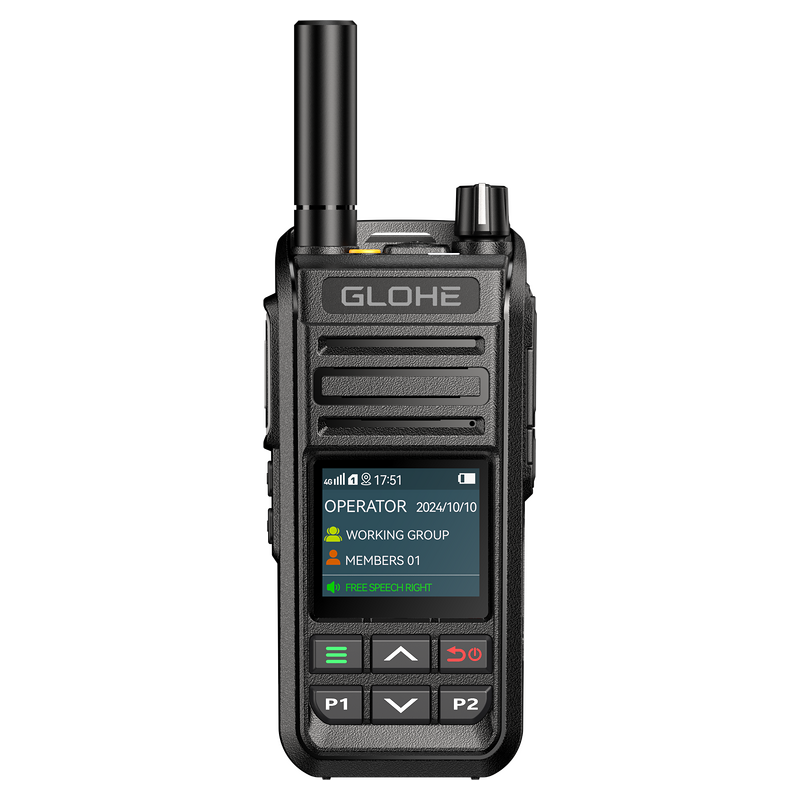
Authoritative procurement demands documented experience and peer‑reviewed or governmental validation. My practice includes procurement counsel for municipal emergency services and policy review for public safety integrators; I rely on technical reports and government after‑action analyses. A salient real‑world anchor is the post‑Hurricane Sandy federal attention to resilient communications for first responders, where Department of Homeland Security and FEMA reports recommended trials of broadband voice solutions—field trials that involved evaluation of secure lte two way radio. Require vendors to supply verifiable case studies, independent test reports, and named technical contacts with verifiable credentials. Stipulate audit rights and a probationary operational period before final acceptance.
Common Pitfalls and Contractual Mistakes
Do not accept general promises of “secure” or “military‑grade” protection without specification. Avoid indefinite maintenance clauses; require fixed SLAs with measurable remedies. Beware of firmware embargoes that prevent security audits. Do not conflate warranty with liability; negotiate liquidated damages for prolonged communications outages. Require explicit data ownership and export control clauses to prevent downstream compliance surprises.
Alternatives and Comparative Considerations
Evaluate alternatives by mapping them against the framework rather than brand appeal. Narrowband FM solutions score for simplicity and battery life but lag on authenticated, encrypted broadband features. Proprietary trunked systems provide centralized control but may introduce vendor lock‑in; demand interoperability clauses and porting obligations. LTE‑based radios offer higher data throughput and unified device management; assess them for spectrum dependencies and reliance on carrier networks. Score vendors on the same rubric: technical compliance, contractual clarity, past performance, and auditability.
Implementation Checklist
Create a checklist that becomes contract annex A. Include: defined cryptographic standards; third‑party test report deliverables; field acceptance criteria; SLAs with remedies; firmware audit rights; escrowed keys or rollback mechanisms; training and technical documentation; and archival of test artifacts. Insist on a termination for convenience with transition support to mitigate continuity risk.
Closing Synthesis
Adopt the framework as enforceable procurement logic: precise definitions, measurable tests, explicit risk allocation, and documentary evidence. That approach transforms subjective vendor claims into contractual obligations and operational certainty. Where a procurement requires secure, accountable communications and verifiable support, aligning specifications and acceptance processes with the standards set out here yields an outcome consistent with operational and legal accountability—outcomes GLOHE integrates into product and service design to align vendor performance with the purchaser’s legal and operational remit: GLOHE.