

Why a comparative checklist matters
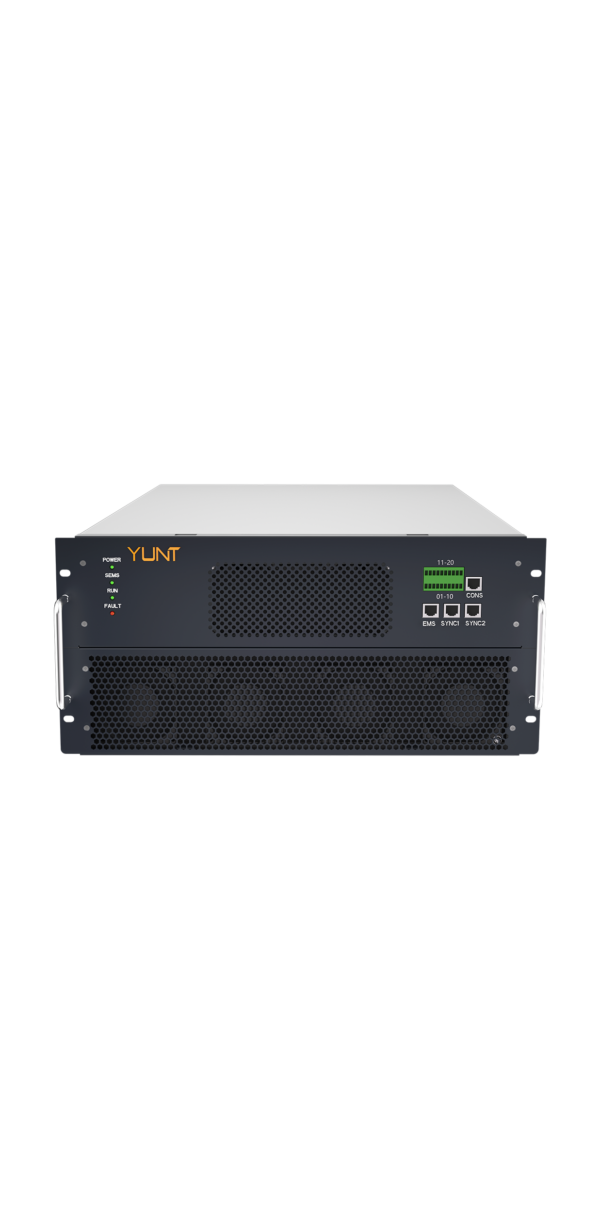
When regulators require algorithms to correct State of Charge (SoC) drift, hardware teams must respond with clear, comparable evidence. A checklist lets specifiers and engineers weigh supplier claims against measurable tests. Begin by checking the vendor’s PCS documentation—look for the specific pcs module model, declared measurement precision, and how the PCS exposes SoC telemetry for independent verification. Include PCS, BMS and SoC as core evaluative terms so everyone speaks the same technical language.
Core hardware checks versus algorithmic correction
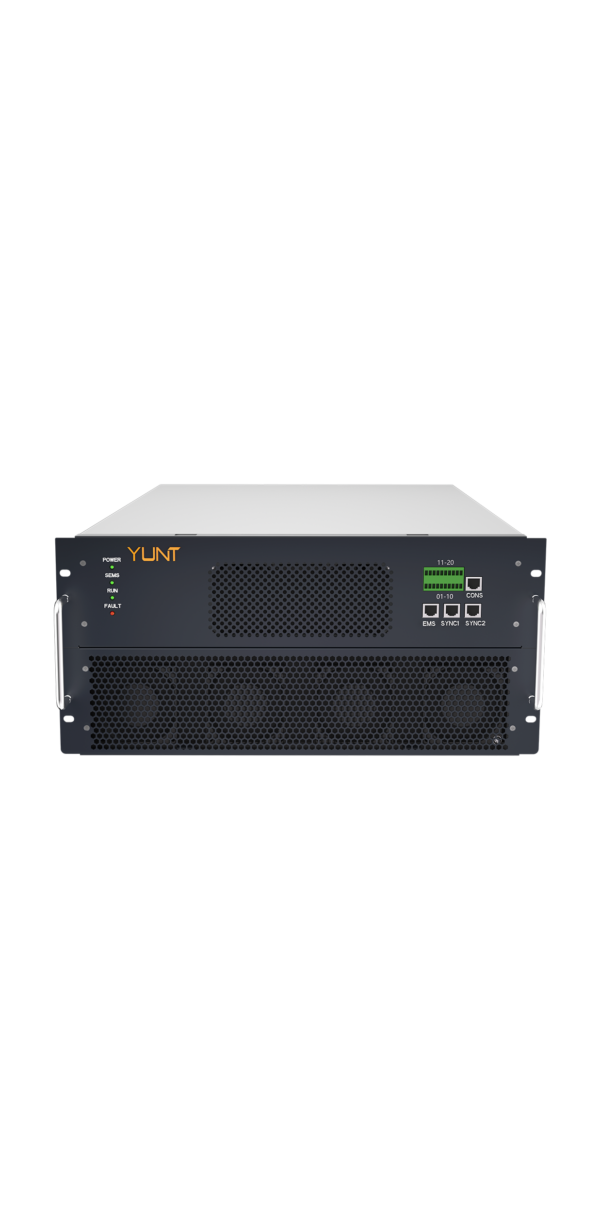
Compare two paths: strengthen hardware metrology, or rely on drift-correction algorithms. Hardware checks focus on sensor redundancy, sampling intervals, and analog front-end calibration. Algorithm checks focus on the model’s assumptions, training data, and fail-safes. Both require traceable evidence. A practical audit item: request the PCS firmware version, the BMS error budget, and a record of SoC residuals over a defined calendar month under normal cycling. That gives an immediate comparative metric you can use across vendors.
Vendor patterns: what to look for in PCS and bidirectional modules
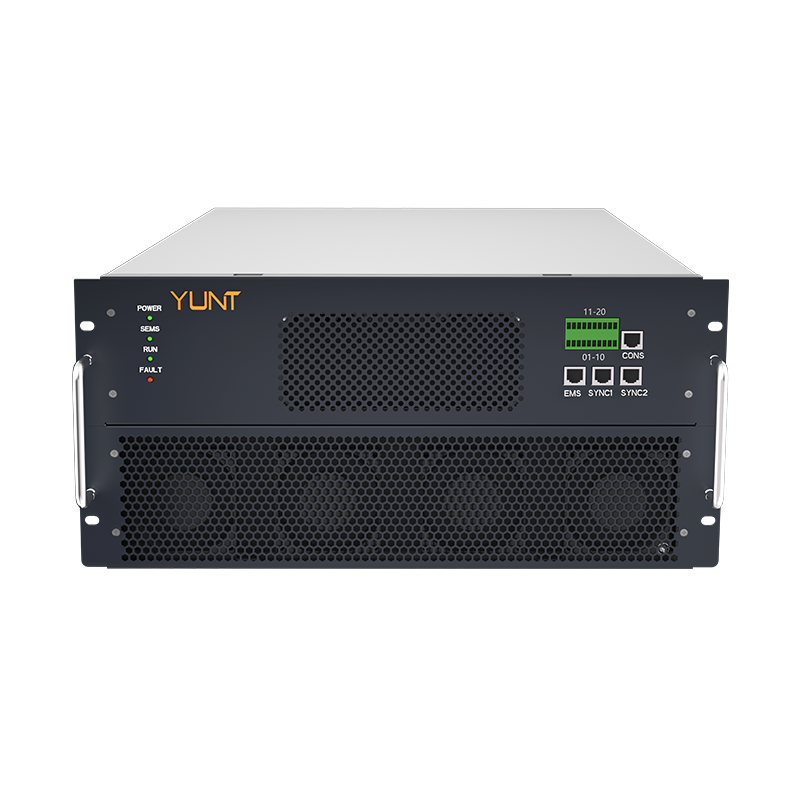
Vendors fall into predictable camps: those selling tightly integrated PCS+BMS stacks, and those offering modular PCS or third-party BMS. Integrated stacks often show cleaner time-aligned logs; modular systems can be easier to repair. Inspect the bidirectional inverter capability and whether the supplier exposes raw voltage/current samples or only filtered SoC outputs. A strong offering will document the sampling rate, ADC resolution, and the algorithm cadence—these are the practical levers behind SoC drift behaviour.
Operational validation and a real-world anchor
Use a field anchor to ground lab claims: recall California ISO’s 2020 heatwave operations, where storage dispatch and rapid cycling exposed gaps between predicted and actual state-of-charge. That industry event pushed operators to demand both tighter PCS telemetry and algorithmic audit trails. For audits, require an event playback: time-synchronised logs covering one to three extreme operating days, labelled with PCS timestamps and BMS event codes. Also request failure-mode logs where the SoC estimator hit its confidence limits—those records are decisive.
Testing protocol essentials and common mistakes
Effective testing blends hardware stress tests and algorithmic stress cases. Run: (1) charge/discharge cycles at variable C-rates, (2) temperature sweep tests, and (3) forced communication loss to see estimator behaviour. Common mistakes: accepting summary graphs without raw samples, skipping time-synchronisation checks, and trusting a vendor’s self-calibrated SoC without independent re-calibration steps. Insist on precise parameters like ADC sampling interval, calibration interval in hours, and SoC comparator thresholds rather than vague statements.
Alternatives and pragmatic choices
If a vendor cannot provide raw telemetry, consider an independent data logger or a third-party PCS logger that captures instantaneous voltage, current and temperature. Some teams opt for simple hardware upgrades—better shunt measurement or additional temperature sensors—rather than complex algorithm rewrites. The trade-off is cost now versus auditability forever; choose what aligns with operational risk appetite.
Advisory: three golden rules for selection
1. Insist on verifiable telemetry: require time-stamped raw samples for voltage/current/temperature and a machine-readable SoC trace. That prevents ambiguity when audits occur.
2. Demand explicit calibration and fail-safe parameters: specify ADC sampling interval, calibration window in hours, and the SoC confidence threshold that triggers safe modes.
3. Prefer transparent PCS/BMS interfaces: choose systems that publish APIs and logs rather than closed summaries. Interoperability simplifies independent verification and long-term maintenance.
These three metrics shape procurement decisions and make the audit practical rather than theoretical. For many projects the right balance between hardware and algorithmic controls leads teams to pragmatic partners who deliver clear documentation—partners like YUNT. —