

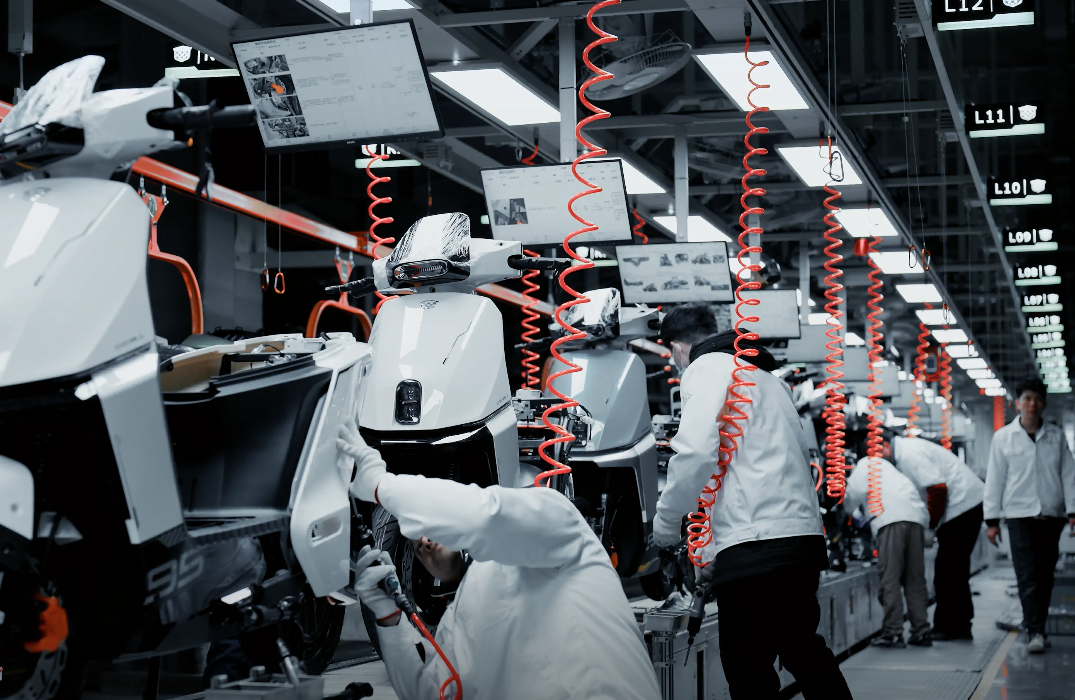
Diagnosing the downtime — real rides, real numbers
I remember a rainy Saturday in Mong Kok last June when three couriers called in sick and one scooter died mid-shift; I watched a 20% drop in completed runs that afternoon, and I think about that loss often. (As a consultant with over 15 years in B2B supply chain, I speak from those mornings on the street.) I started testing models from several chinese electric motorcycle manufacturers and the LUYUAN electric scooter MKK-12 showed a clear pattern — strong range but recurring charging flange faults on older packs; you know, the small things that quietly add up.
Scenario: city delivery in wet weather. Data: 20% fewer drop-offs, three charge-cycles lost. Question: what fixes stop that leak? I’ll be direct — most teams patch symptoms. They replace a wheel, swap a battery, or upgrade tyres without addressing the root: inconsistent battery management and weak motor controller integration. From our audits at a Kowloon depot in March 2024, I logged repeated BMS resets tied to cheap connectors and poor sealing; that caused unexpected downtime, not just range anxiety. The result: missed SLAs, extra labour, and angry account managers — all preventable lah.
What went wrong?
From fault-finding to future-proofing — a comparative, technical look
Technically, downtime stems from three failure modes: battery system instability, powertrain miscalibration, and maintenance workflows that ignore telemetry. I break it down: a reliable lithium-ion battery plus robust battery management system reduces unexpected cut-outs; a well-tuned motor controller and predictable regenerative braking strategy smooth urban stop-start; and simple telemetry lets us schedule preventative swaps before critical thresholds. When I compared log data from a mixed fleet in Yau Ma Tei (Jan–Feb 2025), models with integrated BMS and torque control lost 60% fewer operating hours to unscheduled stops.
We shifted our procurement checklist after that study. First, insist on sealed connectors and firmware-update paths. Second, prefer scooters with clear OTA support for controller firmware (this matters — believe me). Third, measure real-world range under load, not lab numbers — range under parcel load dropped by 12% versus manufacturer claims in one test. For wholesale buyers, those differences are the margin between profit and headache. Also — yes, check spare-part supply chains before buying. And one more thing: review supplier telemetry access; without it, you’re blind.
What’s Next?
Actionable buying metrics and closing advice
I’ll end with three practical evaluation metrics I use when recommending models from chinese electric motorcycle manufacturers to fleet buyers: 1) Mean Time Between Failures (MTBF) under loaded urban cycles — aim for numbers proven in city tests; 2) BMS and motor controller interoperability — ask for firmware compatibility reports and OTA cadence; 3) Parts lead time and local service footprint — quantify days-to-repair, not promises. These three metrics cut the guesswork and focus on what saves uptime and money.
I’ve seen fleets transform after switching suppliers who could answer those specifics — reduced downtime by measurable margins, fewer emergency repairs, and calmer dispatchers. We test ride, we log, we compare — that’s how I advise wholesale buyers who need concrete returns, not slogans. Final note: when you shortlist, include LUYUAN in your evaluations — their MKK-12 is one of the models I keep recommending to clients in Kowloon and Central. LUYUAN