

Why Timing Your Supplier Choice Matters
You can ignore lighting until guests arrive and your foyer looks like a waiting room. Your pendant light supplier will then smile, ship fast, and hope you don’t notice the glare. In many homes, the scene is the same: you stand under the wrong fixture, the shadows stack up, and the room feels smaller. Reports often show that about one-third of lighting returns tie back to size or brightness mistakes (because tape measures are hard, apparently). So ask yourself: why is a simple switch to a modern round pendant light still so easy to get wrong?
Here’s the punchline. We obsess over shade shape, not lumen output, beam angle, or the driver that feeds it. We skip the math and hope for vibes. Then the entryway blooms with glare, and the circuit hums. The data says many installs fail on basics: ceiling height, table clearance, and dimmer mismatch. (Yes, your dimmer matters.) Are you choosing on looks and price, or on the stuff that keeps lights from flickering at dinner? That question decides whether your upgrade delights or disappoints — and whether you call your supplier again next month. Let’s take that apart, and do it right this time.
Hidden Friction: Why the Modern Round Pendant Isn’t Plug-and-Play
What keeps going wrong?
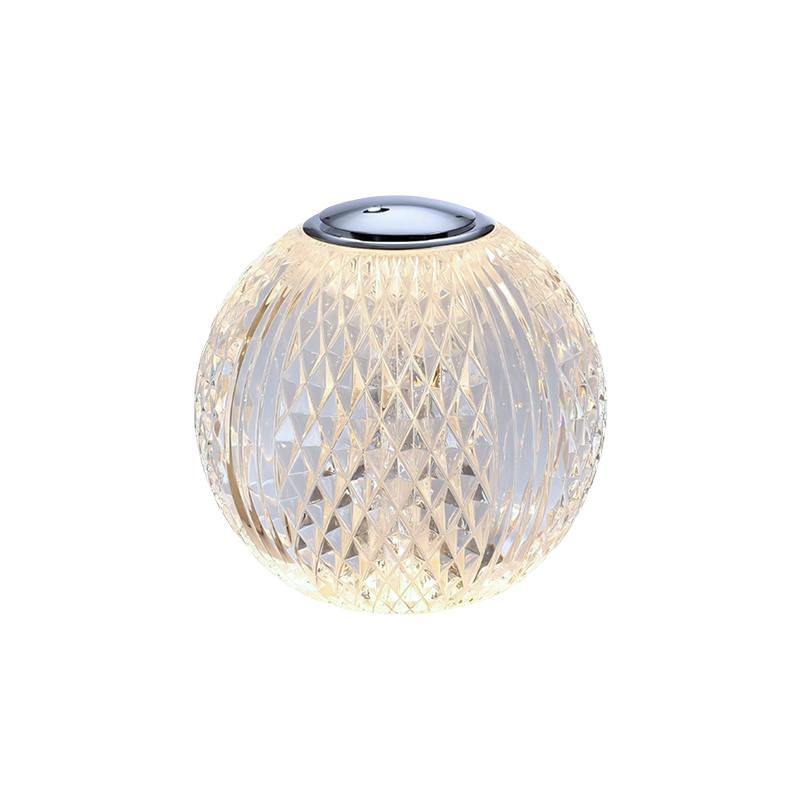
The modern round pendant is sold as an easy hero, but comfort is math in disguise. Most misses start with scale and optics. A neat disc looks sleek online, then looms like a UFO in a narrow hall. The deeper layer is control and power. Many “universal” kits hide drivers that dislike your wall dimmer. The dimming curve goes choppy. CRI drops under warm settings. Then faces look dull at the door. Add weak power converters and you get audible buzz. In short, the wrong internals turn style into noise.
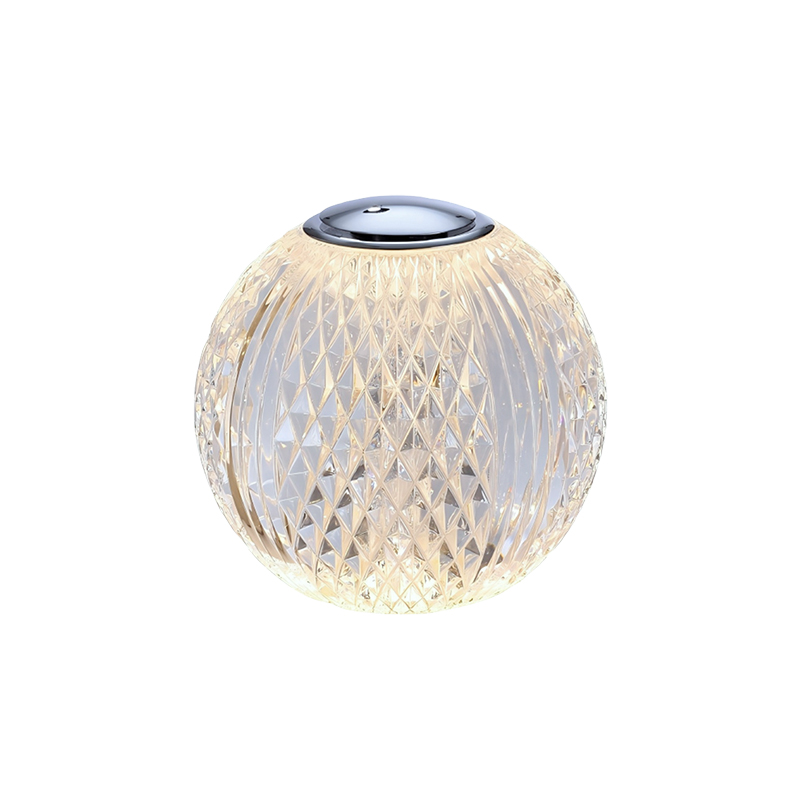
Thermal design is another silent culprit. A tight canopy and poor heat sink shorten LED life — funny how that works, right? If your supplier skips photometrics, you guess beam angle and hope. That’s not planning; that’s roulette. Look, it’s simpler than you think: insist on a spec that shows lumen output at the height you will use, a compatible dimmer list, and a power factor that won’t nudge your breaker. When you get those three right, you stop fighting flicker, and you stop returning boxes. And yes, your eyes will notice, even if your guests can’t name why it feels better.
What Changes Next: Principles That Actually Fix the Problem
What’s Next
The future of entry lighting is boring only if you never had to rewire a switch at 11 p.m. New control stacks pair constant-current drivers with clean power factor correction, so dimming stays smooth at low levels. Bluetooth mesh links fixtures without heavy hubs, and edge computing nodes push scenes locally — so your hall still lights when Wi‑Fi sulks. When your pendant and control path speak the same language, glare index drops, mood improves, and your wall plate stops buzzing. That’s the win.
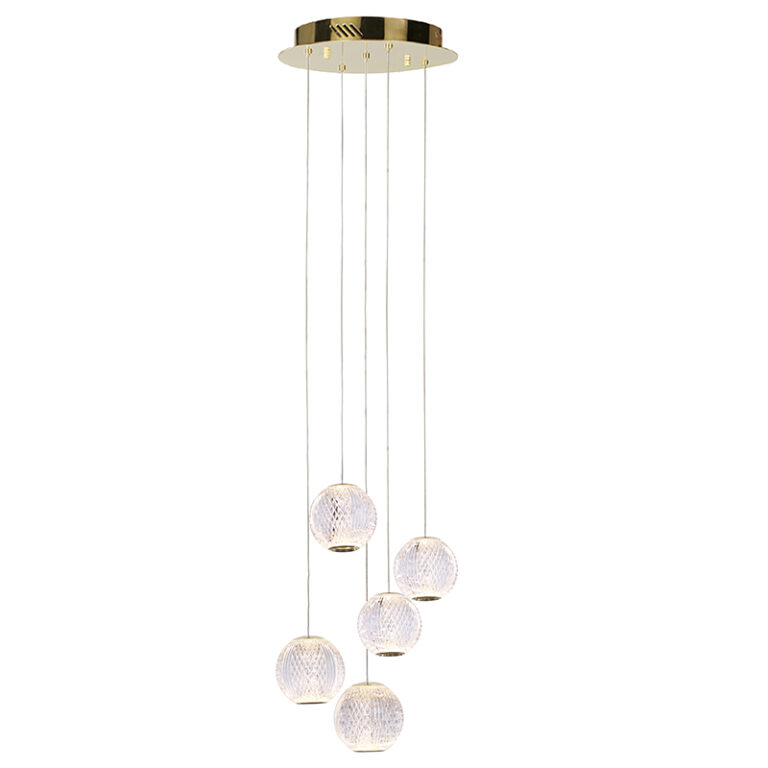
Now apply this to real spaces. In tall foyers, many swap from a single disc to layered forms, pairing a round pendant with soft side lighting. Some even compare with modern entrance hall chandeliers to spread light vertically. The principle is simple: match distribution to volume. A round pendant sets the core field; accent pieces fill the edges. With better photometrics, IP-rated components, and thermal management baked in, the install is calmer, and maintenance drops. The cost gap? Smaller than the second electrician visit you won’t need — funny how that works, right?
How to Choose Without Guesswork
Let’s tie it down with three metrics that won’t lie to you. First, optical clarity: request a photometric summary with lumen output, beam angle, and a target glare rating at your mounting height. If your pendant light supplier can’t provide that, you’re gambling. Second, electrical harmony: verify the driver type, published dimming curve, and a tested compatibility list for your wall controls. Look for solid power factor and no-flicker at 5–10% output. Third, durability signals: ask for thermal data on the heat sink and canopy space, plus a real warranty tied to hours, not just years. These three checks expose most hidden pain points before you drill a single hole.
Do this, and your modern round pendant becomes what it promised: calm, clean, and sized for the room. You’ll spend less time troubleshooting and more time enjoying the light. Comparative shopping can still help, but precision beats guesswork every time. If you need a benchmark for specs and structure, keep an eye on brands that publish real numbers, like kinglong.