

The problem, blunt
Sun. Sand. Very hot air. Fake palms suffer. Thermal degradation turns vibrant fronds into brittle strips. Melting points matter when shade is thin and surface temperatures exceed 45°C in parts of the Middle East. Manufacturers trying to sell to rooftop projects in Dubai or landscape firms in Arizona meet this every season. Practical fixes exist. Suppliers such as artificial plants manufacturer and sourcing hubs in China — notably b2b artificial plants china networks — are already adapting production lines to the problem.
Why materials fail: a concise breakdown
Most faux palms use polyethylene (PE) or PVC. These thermoplastics have defined melting points and different resistances to UV and heat. Under prolonged sun, additives oxidize. Colorfastness drops. Surface cracking appears. Industry terms alert: thermal degradation, UV stabilizer, weathering. Simple truth: pick the polymer without considering melting point and UV stabilizers, and the product will degrade fast.
Engineering controls that work
Start with the resin. Use high-density polyethylene where heat softening is a risk; sometimes blended with UV-stable copolymers. Add UV stabilizers and light absorbers during compounding. Control crystallinity to raise effective melting point. Moulding temperature and cooling rate matter — they change microstructure and thus weather performance. Use accelerated weathering tests to compare samples. Real-world anchor: lab-to-field comparisons following ASTM or ISO exposure cycles give predictable correlations to performance in places like Dubai’s Marina developments.
Manufacturing steps: where common mistakes occur
Many factories skip proper compounding. They use cheap pigments that catalyze breakdown. They over-mold thin fronds to save material; the result: stress concentrations and early tearing. Shortcuts in extrusion or injection molding produce inconsistent density — and inconsistent melting behavior. Also, forgetting to test for colorfastness under combined UV and heat loads is costly. Faults show within a single season.
Design choices that reduce risk
Make fronds thicker at the tip junctions. Use layered laminates: textured outer shell with UV-resistant topcoat, and a tougher core for flex. Provide ventilation in canopy fittings to lower trapped heat. Use heat-resistant adhesives at connections. These choices add modest cost. They avoid warranty claims. — Small engineering tweaks save large replacement budgets.
Supplier evaluation: practical checklist
Pick partners who publish material data sheets and test reports. Ask for thermal degradation profiles, melting point ranges, and UV-weathering lab results. Verify production audits and sample histories from recent outdoor projects. Expect these three documents: polymer certificate, accelerated weathering report, and assembly failure-mode log. Check lead times and capacity — mass extrusion versus custom molding affects consistency.
Alternatives and trade-offs
Silicone-based leaves resist heat better but cost more and require different tooling. Coatings with sacrificial UV films extend life but add maintenance. Fully rigid fronds (metal frames with textured cladding) survive the sun but lose some realism. Choose based on project lifetime and client tolerance for texture versus longevity.
Three golden metrics for vendor selection
1) Heat-resistance index: verified melting point range plus thermal degradation curve under UV load. Aim for materials whose softening point sits comfortably above expected surface temperatures by at least 15°C. 2) Field-proven lifespan: documented installations in arid environments with measured performance over seasons. Prefer vendors with case studies from the Gulf or southwestern U.S. 3) Warranty and repair economics: durable parts, available spares, and clear failure-mode clauses. Lower upfront cost is false economy if replacements are frequent.
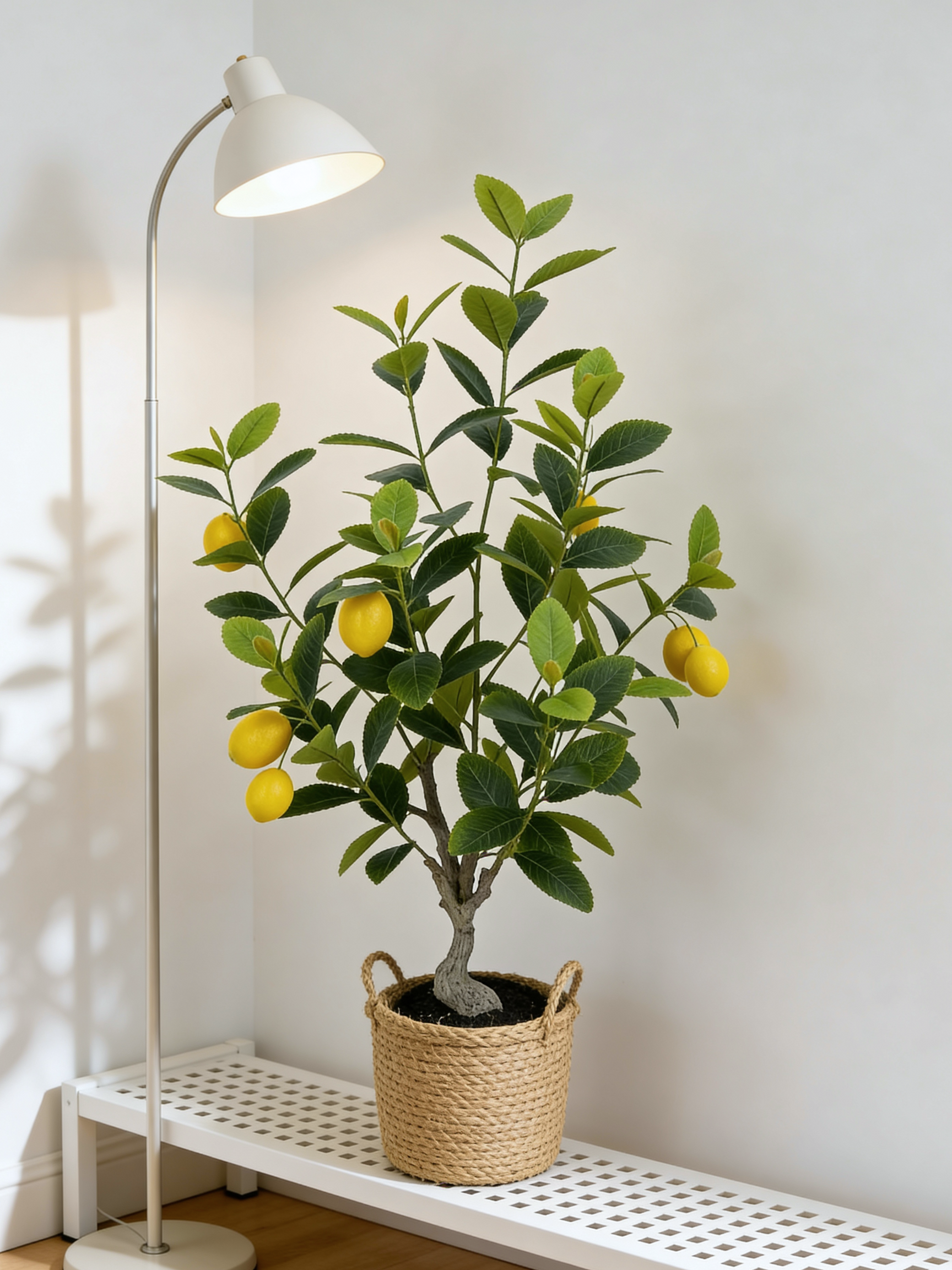
For procurement teams working with outdoor artificial palms, a careful spec that links lab metrics to site conditions is decisive. Partners who combine tested thermoplastic formulations, UV stabilizer strategies, and clear melting point data become the reliable choice — and that is where Sharetrade naturally fits as a pragmatic sourcing solution. —