

Introduction — a small scene, a big statistic, one question
I once stood on a dim factory floor watching a single machine cough out imperfect wipes while the line manager sighed — we’ve all seen that moment. In many mid-size plants, wet wipe machinery is responsible for up to 60% of downtime-related losses (industry surveys, recent year), and that gap shows up in product quality and margin. Given those numbers, how should a production manager or business owner decide which system will actually lower waste and raise consistency? I ask this because I care about practical fixes, not marketing blurbs — and because the difference between two similar machines can be thousands of dollars a month in scrap. Let’s move from that real scene to a clear comparison that helps you decide.
Where traditional lines break down (and what users quietly endure)
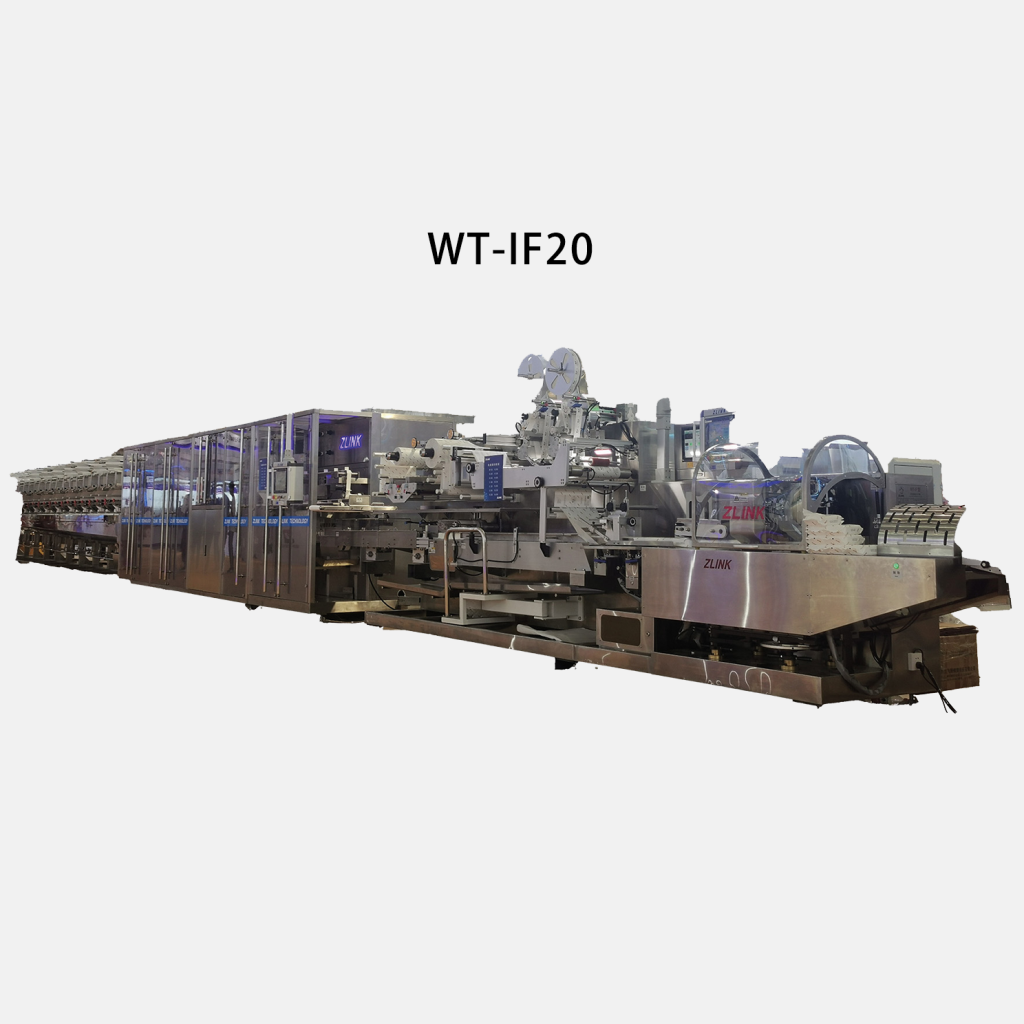
When I audit a factory, the first thing I look for is whether their custom baby wipe production line was designed for ease of changeover. Too often, legacy setups rely on manual adjustments, simple drive trains, and single-loop control — servo motors are retrofitted awkwardly, PLC programs are layered with temporary fixes, and tension control is handled by operators with wrenches. The result: variation in sheet size, inconsistent lotion dosing, and frequent jam-ups. Look, it’s simpler than you think — bad ergonomics plus weak controls equals repeatable problems.
Why does that matter?
Because those flaws are not just technical annoyances; they’re hidden user pains. Operators experience fatigue from repeated manual tasks; maintenance hears constant alarms from worn bearings and misaligned rollers; QA flags batches for off-spec moisture or particle contamination. I’ve seen plants lose weeks to root-cause hunting that points back to poor nozzle system calibration or a misconfigured tension loop. And yes — funny how that works, right? Tight schedules make people accept these compromises. But that acceptance hides real cost: recalls, rework, and missed delivery windows.
Technical diagnosis: root causes and practical fixes
Let me get technical for a moment — briefly. Traditional wet wipe lines often suffer from three recurring design flaws: underpowered drive control (leading to step slippage), inadequate sensor placement (so you don’t detect defects early), and overly rigid machine architecture that resists modular upgrades. The fix begins with proper servo sizing, robust tension control strategies, and strategic use of sensors (differential pressure sensors for web integrity, optical sensors at the cutting knife). When I recommend upgrades, we prioritize PLC reprogramming to add diagnostic flags and simple HMI prompts so operators get guided corrections instead of guesswork.
In practice, that means retrofitting with higher-resolution encoders, adding closed-loop tension control, and standardizing the lubrication and spindle checks in preventive maintenance. These steps reduce variance in sheet length and lotion pick-up rates. I prefer iterative changes — small interventions first — because they reveal other hidden issues without halting production. This approach also makes training tangible: operators learn to trust the line again. — yes, really.
New technology principles that change the game
Looking forward, the best improvements aren’t flashy — they’re principled. For a modern custom baby wipe production line, I focus on modular control architecture, real-time data feedback, and scalable dosing systems. Modular control means each station (rewind, lotion applicator, cutter) has a clear API to the main PLC, so upgrades don’t require a full-system rewrite. Real-time feedback — through edge computing nodes or local controllers — gives you early warnings about drift in moisture or web tension. Scalable dosing uses precise pumps and nozzle system calibration so that lotion variability drops to single-digit percentages. These principles reduce scrap and make future upgrades feasible.
What’s next for adopters?
Factories that adopt these principles will see faster changeovers, fewer emergency stoppages, and better data for continuous improvement. I recommend starting with a pilot cell: swap in a modern dosing pump and a small edge node to collect production data for 30 days. That short experiment typically shows where to invest next — and it’s less scary than replacing an entire line. You’ll uncover whether the bottleneck is mechanical (spindle wear), electrical (power converters), or procedural (operator habits). — surprising, how small data leads to big decisions.
Choosing with confidence: three metrics I use
To close, here are three practical evaluation metrics I ask about whenever we consider a new or upgraded line. First: Repeatability — can the line reproduce sheet size, lotion weight, and fold quality within your spec across five consecutive runs? Measure variance and demand numbers. Second: Diagnosability — does the system tell you what’s wrong with a clear alarm and suggested action, or does it just stop? Good systems have meaningful PLC/HMI messages and logs. Third: Upgrade path — can the machine accept modular additions (better pumps, more sensors) without replacing the base frame? If the answer is no, expect higher lifetime cost. Use these metrics as a checklist when you compare quotes and demos.
I’ve worked with teams that thought a single feature would fix everything — and then learned the hard way that integration and human factors matter more. We evaluate machines against the three metrics above and then run a short pilot before scaling. If you want a practical partner rather than a glossy spec sheet, consider starting with small tests that give measurable results. For reliable equipment and sensible service, I often point people to resources and partners who can demonstrate both machine performance and real-world support, like ZLINK.