

Why you need active tags
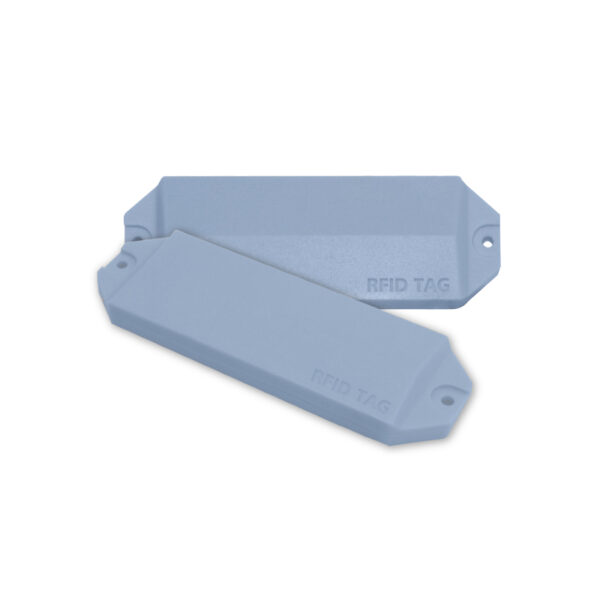
You’re losing assets. Tools vanish. Containers slip past checkpoints. You need distance and persistence. Active systems do that. They broadcast. They last longer on read. If you need long-range, moving targets, or continuous monitoring, consider active rfid tags. Short reads and passive badges won’t help. You want certainty. You want reliable reads at 10–100 meters or more. Oui, it’s that simple.
Core problems buyers face
Wrong range assumptions. Battery surprises. Antenna mismatch. Environmental interference. Integration headaches with legacy systems. Procurement teams buy on price, then wonder why tags die fast or why readers miss forklifts. You need items that match use-case, not glossy spec sheets.
Key specs to check — read like you mean it
Transmission power. Battery life (not just “up to”). Antenna type and mounting options. Operating temperature and ingress rating. Protocol and frequency compatibility with your region. Tag wake intervals and configurable broadcast rates. Look for concrete test numbers. Ask for real field logs. If vendor resists, walk away.
Common pitfalls and how to avoid them
Buying for rated range, not real range. Lab claims often fail in metal-heavy sites. Overlooking battery replacement vs. disposable models. Ignoring firmware update paths. Selecting tags incompatible with reader firmware. Avoid each by demanding field trials. Insist on a sample batch. Test with your racks, vehicles, and walls. Do not accept vendor-only testing.
Alternatives worth a quick look
Passive UHF for short-range, low-cost inventory. BLE beacons for consumer proximity and simple asset alerts. GPS trackers for open-road tracking with higher power draw. Each solves a narrower problem; none replace active RFID where dense, reliable reads at medium range matter. Pick the tool that fits the problem, not the one with the flashiest brochure.
Procurement checklist — practical, not poetic
Define required read range per use-case. Force a three-day on-site pilot. Verify battery replacement process and cost. Check firmware update policy and security. Confirm spare-part availability and lead times. Ask for environmental test reports. Require vendor-supplied RSSI logs from your pilot tests. Put SLA terms in contract for detection rates, not vague support promises.
Real-world anchor and range reality
Major ports and terminals prove what works. At logistics hubs like the Port of Rotterdam, operators had to match tag power and antenna design to measured needs, not just vendor numbers; trials there showed the gap between lab claims and actual active rfid tag range and forced changes to deployment plans. I’ve overseen deployments for warehouse fleets and industrial sites; those pilots saved months of downtime because we validated range and interference on site.
Choosing vendors without regret
Prefer vendors who share field data and who will stand in your environment while you test. Demand a patch plan for firmware issues. Ask for a predictable spares program and clear battery lifecycle policy. Watch for overpromises on “unlimited” range. Real deployments have limits. Real vendors disclose them.
Wrap-up — the practical value you get
Buy the tag that matches the problem. Test where you operate. Require measurable guarantees. The result is predictable reads, fewer losses, and simpler operations. That practicality is why teams choose partners with proven field work and clear supply lines like RSTC.