

Problem first: what actually breaks and why
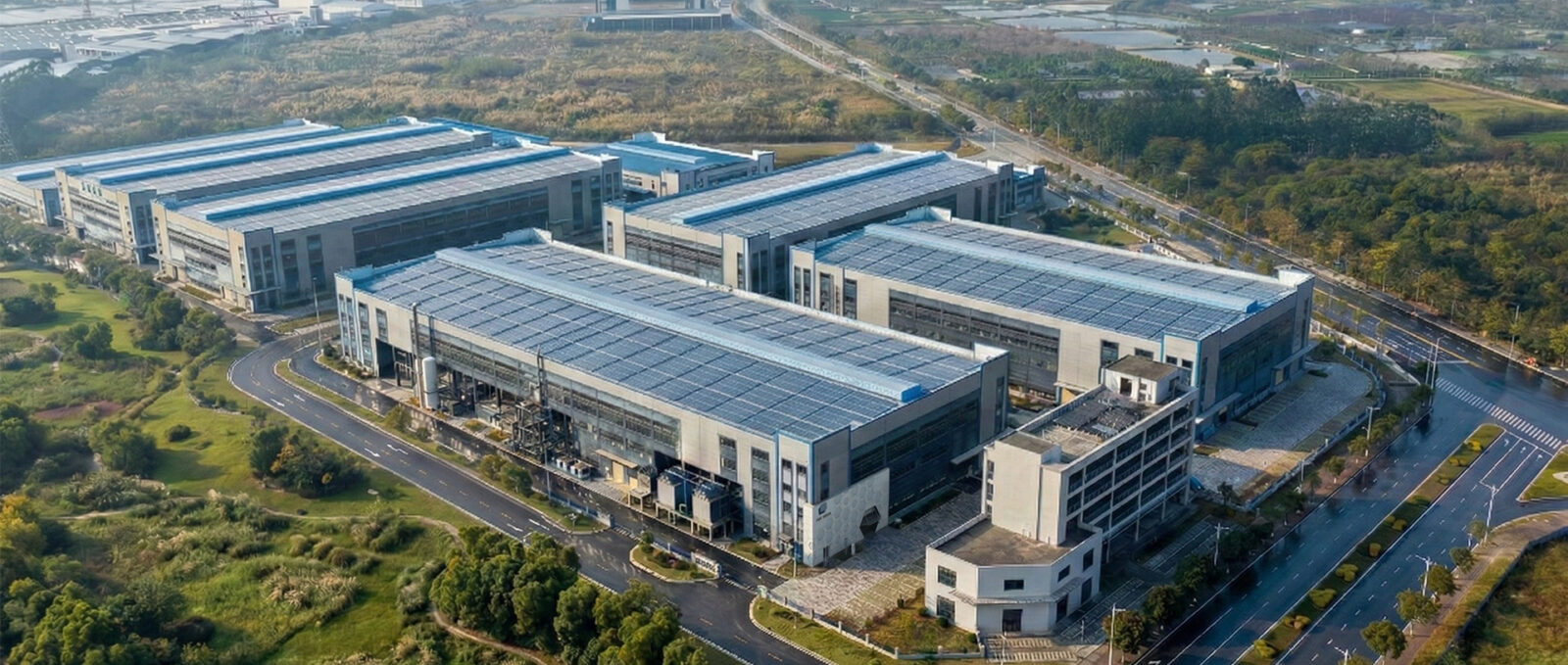
You’re specifying a commercial pergola and the stakes are real: wind rips seams, water pools, panels sag, and maintenance budgets explode. The problem-driven angle here is simple—identify the failure mode before you sign the PO. If you’re adding power or shading modules, like a solar pergola, treat the frame as a structural system, not decoration. Break the issue into attackable bugs: wind, anchors, corrosion, connections, and thermal loads from mounted equipment.
Core failure vectors (prio list)
Wind: Look for certified wind ratings and how they translate to local design speeds. Materials: aluminum alloys vs. structural steel—each has different fatigue and galvanic behavior. Coatings: powder coat adhesion specs and salt-spray hours. Connections: welded joints vs. bolted splice details; weld penetration matters. Anchors: anchor type vs. soil class, embed depth, and torque specs. Integration: how solar modules, gutters, or heaters change load paths. Ignore one vector and the rest can cascade.
Practical validation tests you can run on pre-bid samples
Visual: examine welds at 2–5x magnification; look for lack of fusion, undercut, or porosity. Rigidity: push and pull on cantilevered sections to detect >5 mm drift under hand load. Fasteners: check torque spec, thread engagement, and grade stamp. Finish: run a coin-scratch test and check powder coat thickness. Water: pour 10–20 liters onto roof spans to reveal pooling and drainage choreography. Electrical: trace conduit paths and confirm separation from roofing water channels when solar is present.
What lab reports and standards to demand
Ask for wind-load test reports (ASTM E330 is a common reference for structural wind testing), finish corrosion test results (ASTM B117 salt spray), and mill certificates for alloys. Get drawings stamped for site wind speed. If a vendor can’t show test data or independent lab verification, treat that as a red flag. Specs without numbers are fiction.
Common pitfalls installers and spec writers miss
Underestimating soil: anchor pullout differs wildly between dense sand and soft clay. Mismatched thermal expansion: aluminum frames with rigid solar glass need flexible clips. Fastener mix-ups: stainless screws with dissimilar-metal washers cause corrosion. Overloaded fascia: adding heaters or awnings without recalculating moments. Maintenance blind spots: inaccessible gutters and hidden fasteners turn simple fixes into costly callbacks.
Experience, expertise, and a real-world anchor
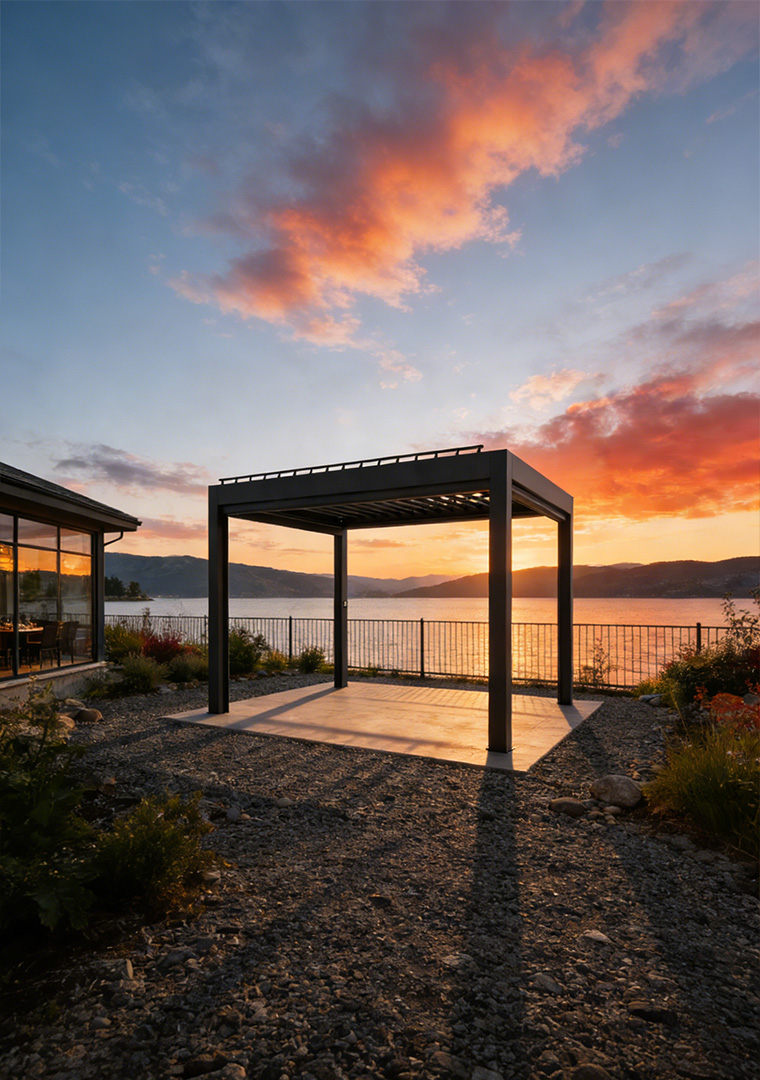
I’ve vetted technical packs against lab data and field reports, and the sharpest lessons come from coastal practice—Florida’s coastlines force stricter wind and corrosion thinking than inland jobs. Cross-check manufacturer test reports and ASTM ratings against local expectations; for wind-specific designs, see wind resistant pergola. Trust documents that show both lab numbers and installed-case photos from similar exposure zones.
Decision checklist before you approve a bid
Confirm stamped drawings with site-specific wind speed; require ASTM/independent lab certificates; match anchor type to soil report; verify coating thickness and type; insist on detailed splice and weld drawings; confirm how added loads (solar, heaters) are accounted for; and demand a clear maintenance access plan. If a vendor balks at any of these, walk.
Wrap-up — the practical payoff
Solving the core problems up front saves calls, site edits, and liability. Use the checklist to force data, not promises: test reports, stamped designs, correct anchors, and clear integration rules. That approach maps directly to the sort of engineered specs and case work you see from Light Hunter, and it keeps installations standing and serviceable, not just photogenic.