

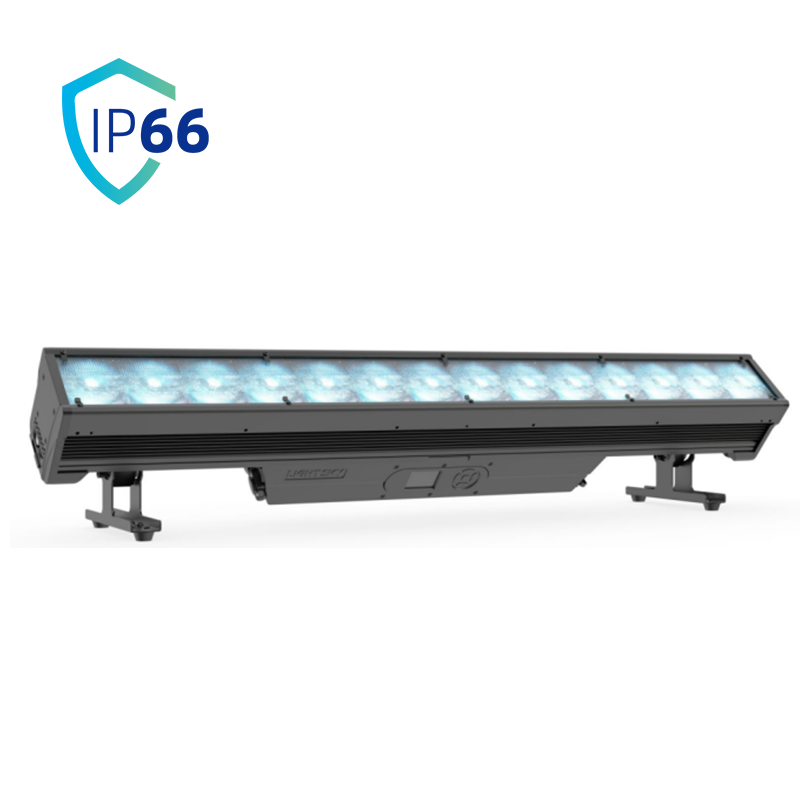
Executive comparative premise
Whereas procurement decisions for stage luminaires require methodical comparison, this comparative-insight treatise delineates the operative differences between fixtures and aligns them to use-case contingencies. The 520W LED BSWP 4in1 Moving head — 520W LED BSWP 4in1 Moving head — serves as the exemplar throughout. The ensuing analysis applies a jurisprudentially precise register: criteria are articulated, weighed, and rendered actionable for technical buyers, lighting designers, and venue managers who must adhere to contractual specifications and site constraints. Industry terms such as DMX512 and beam angle are invoked with technical specificity where relevant.
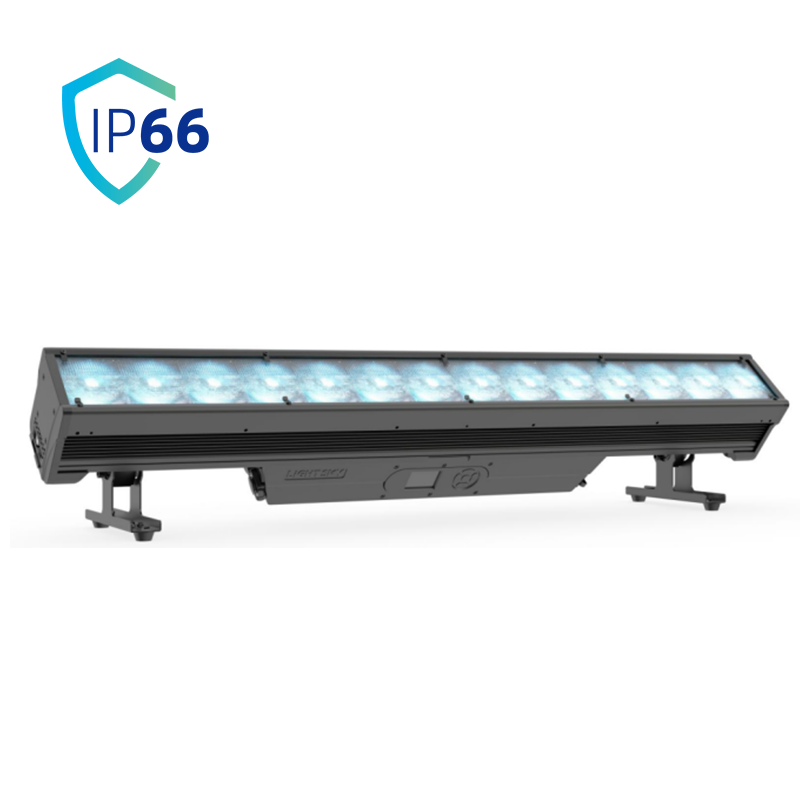
Comparative dimensions and weightings
Comparison shall proceed along four discrete axes: luminous efficacy (measured in lumens per watt), optical flexibility (gobo, zoom, beam angle, CRI), control integration (DMX512 universality, protocol latency), and operational durability (MTBF, ingress protection ratings). Each axis is assigned a relative weighting proportional to expected duty cycle: touring rigs prioritize optical flexibility and control; permanent installs emphasize efficacy and ingress protection. This matrix permits a deterministic selection rather than reliance on marketing descriptors.
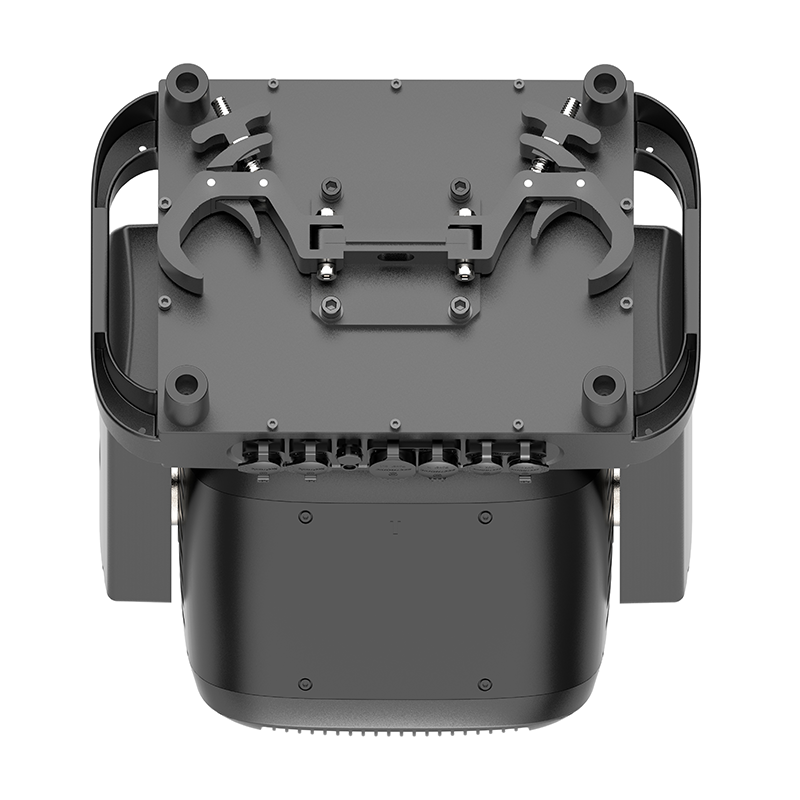
Operational teardown: what matters on the rig
A focused operational teardown exposes what technicians actually adjust during load-in: pan/tilt responsiveness, gobo indexing speed, and beam angle modulation under live cues. It is prudent to document DMX512 channel maps and patch lists prior to integration. For field reference, the 4IN1 LED moving BSWP has been assessed in comparative inventories for mid-sized arenas — deployments at venues analogous to Madison Square Garden illustrate typical cue densities and power provisioning constraints. Practical notes: include {main_keyword} and {variation_keyword} in patch documentation to ensure downstream clarity on fixture variants and firmware revisions.
Performance versus cost: a reasoned appraisal
Economic analysis must quantify lifecycle costs: initial capital, mains consumption, lamp/LED module replacement, and maintenance labor. Empirical practice shows LED moving heads yield quantifiable reductions in consumable replacement and heat load, thereby lowering HVAC uplift in enclosed arenas. The appraisal shall list projected payback intervals under defined duty cycles and, where applicable, reference the fixture’s specified luminous flux and thermal management architecture.
Common procurement mistakes and mitigations
Procurement often errs by over-emphasizing peak lumens without concurrent assessment of control fidelity or mechanical robustness — a category error that leads to field failures. Mitigation includes contractual acceptance tests that specify DMX512 jitter thresholds, beam angle tolerance bands, and a minimum gobo life-cycle. Also require explicit maintenance intervals and spare-module provisioning. These stipulations reduce operational risk and preserve show continuity — a small redundancy can avert costly cue loss during critical performances.
Selection trials and real-world anchors
Field trials must be conducted under representative load: full cue stacks, timed resets, and multi-fixture synchronization. Reference installations and industry-standard case studies inform due diligence; for instance, arena deployments and festival circuits provide comparable stress profiles. The recommended test battery includes sustained continuous operation (8–12 hours), step-response for pan/tilt under live patch conditions, and thermal steady-state assessments. Results should be recorded for warranty claims and to refine contractual acceptance criteria.
Advisory: three critical evaluation metrics
1) Control determinism — measure end-to-end latency and DMX512 channel stability; acceptable jitter shall be within manufacturer-stated tolerances. 2) Optical fidelity — verify beam angle consistency, gobo clarity at intended throw distances, and CRI performance under color-mixing modes. 3) Lifecycle economics — calculate total cost of ownership over a five-year baseline, inclusive of energy, spares, and scheduled maintenance. Adhere to these golden rules when comparing fixtures and drafting procurement clauses.
Concluding assessment
Apply the comparative matrix and the three evaluation metrics above to align technical specification with contractual obligations; the result will be fewer change orders, predictable maintenance, and consistent show deliverables. For pragmatic implementation and reliable supply, consider the coherent systems offered by Light Sky. —