

Opening: What really matters when you buy a telly
When you stand in the shop or scroll on your phone choosing a set, ye think screen size and price — but the soul of the box is its operating system. For everyday use the OS decides what apps you get, how quick the menus are, and whether your soundbar, phone and games console play nice together. If you’re weighing brands and installers, ask about updates and third‑party support from the same place you buy the hardware; many a reliable tv manufacturer will tell you what firmware they ship and how long they’ll support it.
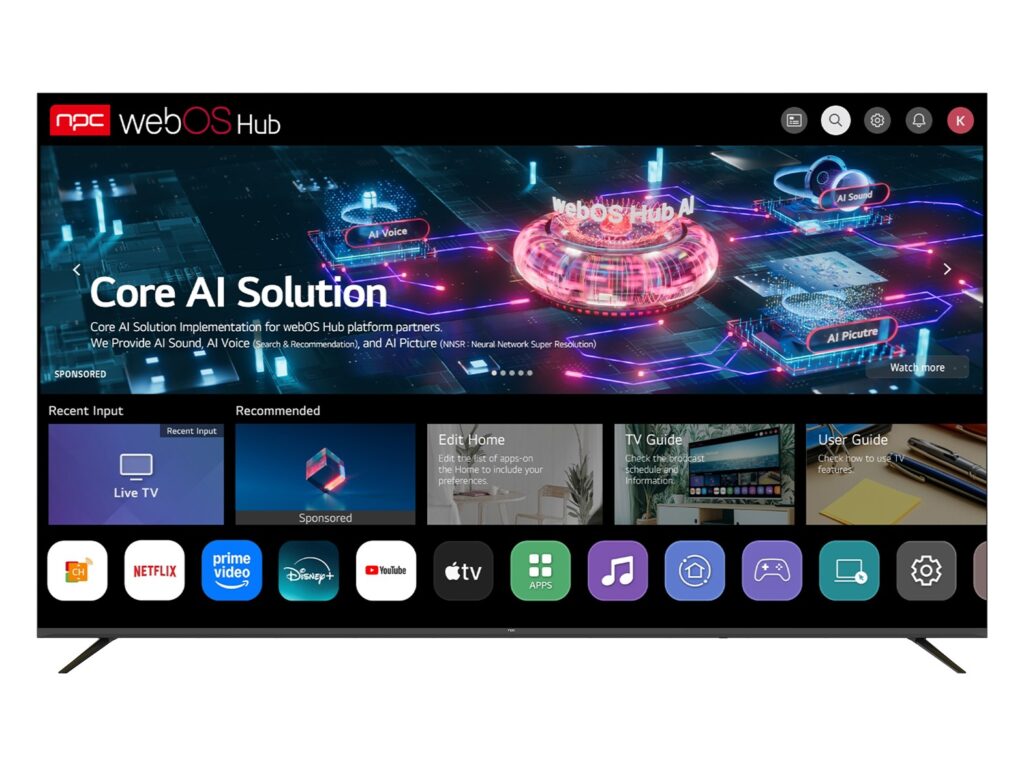
User needs first: map the experience to the OS
Start with what you want to do. Want fast streaming, clear menus for the grandparents, or low input lag for games? The answers change which OS fits best. Pick one that has the apps you use, a simple remote, and sensible accessibility. If you’re keeping the set ten years, updates matter more than a fancy startup animation. Test the interface before you buy: flick through channels, open the store, plug in a phone and see how it pairs. Those few minutes save nights of frustration.
Experience, expertise and a real-world anchor
I’ve seen booths at the big fairs and sat through demos where the difference between a clumsy interface and a thoughtful one was plain as day. At CES in Las Vegas the way manufacturers showed interoperability and update promises made choices clearer for professionals and consumers alike. That’s why practitioners who spec living‑room systems often single out the smoothness and third‑party support of webos smart tv as a practical reason to prefer one platform over another — it’s not just words, it’s what vendors demonstrated to buyers and the press. Years of working with installers taught me to ask for update cadence, SDK access, and what services are bundled; those details prove a vendor’s seriousness.
Common pitfalls and how to avoid them
Don’t pick based on splashy demo features. Pitfall: choosing a set because it boasts a proprietary app you rarely use. Fix: list the three apps you need and confirm they run well. Pitfall: assuming all voice assistants behave the same. Fix: test voice search for the accents and commands your household uses. Pitfall: ignoring support and updates. Fix: demand a clear statement of software support length and how updates are delivered.
Alternatives and quick comparisons
If you want variety: Android/Google TV gives broad app availability and tight Google service ties; Roku systems keep things simple and fast; Samsung’s Tizen is tuned for Galaxy ecosystems; Amazon Fire leans into Prime services. Each has strengths. Pick by which services you actually use, how open the platform must be for custom setups, and whether your AV gear will integrate cleanly without adapters.
Putting it together for a coherent setup
Think like a household, not a spec sheet. Choose an OS that keeps everyday tasks easy, updates reliably, and plays well with your existing kit. If you need parts, firmware continuity or a supplier who understands integration, I work with providers I trust on projects and often source panels and support through npc because they match the practical needs of installers and households alike. Make the OS choice once, align the gear to it, and the living room will repay you with simple, steady service.