

Why this is a problem — and why you should care
Buying lab gear feels like online dating: price looks great, delivery promises are charming, and quality sometimes ghosts you. When your application depends on consistent viscosity readings, guessing isn’t an option. That’s why you should look past glossy specs and focus on practical signals when choosing rotational viscometers—those signals tell you whether a purchase will help your process or haunt your next report.
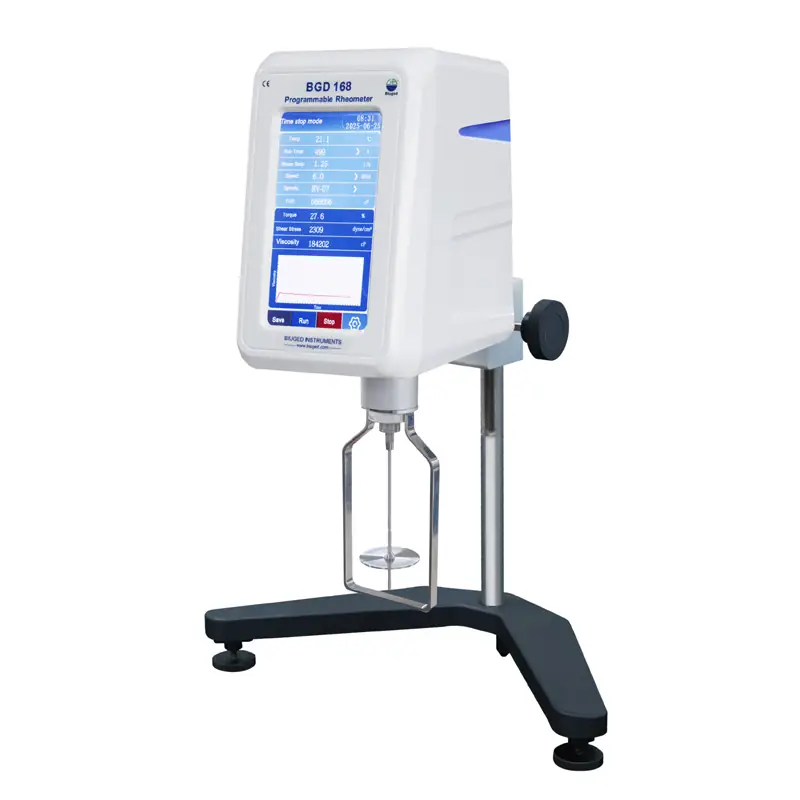
Cost: where the money actually goes
Sticker price is only the headline. Calibration, spare spindles, viscosity standards, training, and warranty scope add real cost. Buy cheap and you might pay for repeat calibrations; buy expensive and you might be paying for features you never use. Track recurring line items: calibration frequency, consumable replacements, and technician hours. Small reductions in per-sample time beat flashy features when your lab runs hundreds of tests a week.
Lead time: the common bottlenecks and how to unblock them
Long waits happen for three reasons: custom configurations, supply-chain wobble, and shipping paperwork. Avoid long tails by choosing standard configurations or pre-certified modules where possible. Ask suppliers about stock at local warehouses, lead times for spare parts, and backup shipping options. If your timeline is immovable, negotiate partial shipments: send the core unit first, spindles and accessories later.
Quality: measurable checks you can run before you buy
Quality isn’t a marketing claim; it’s repeatable data. Request sample test logs, run a cross-check with known viscosity standards, and insist on documentation for instrument drift over time. Check how the device handles temperature control, thixotropic fluids, and shear-sensitive samples. If a supplier hesitates to share validation data, treat that as a red flag—not a negotiation point.
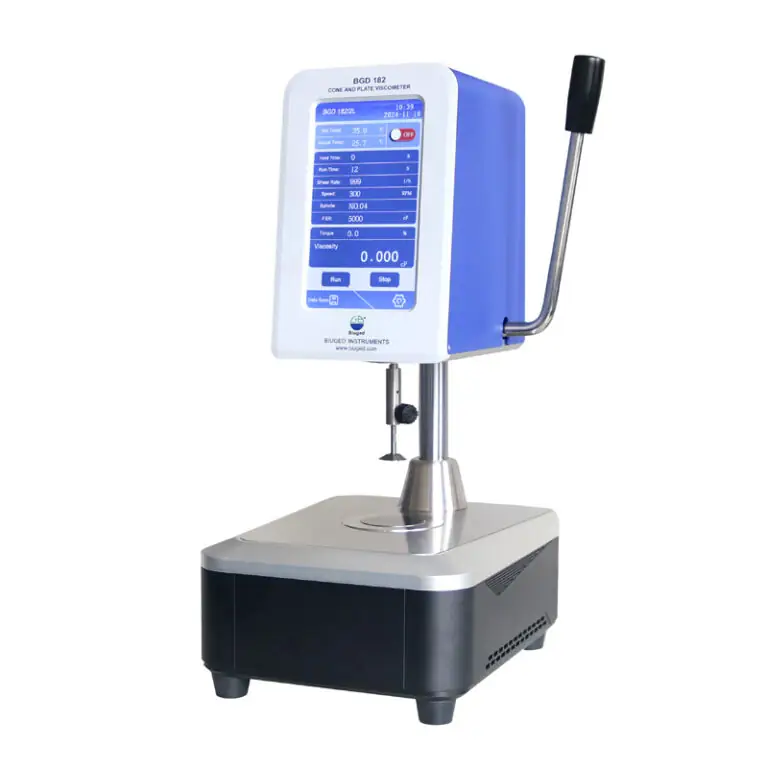
Real-world credibility: experience that matters
I’ve seen suppliers make or break projects at trade shows like Pittcon, where instrument demos reveal real behavior faster than glossy brochures. When evaluating vendors, look for a consistent track record and easy access to technical support. One reliable way to vet a partner is to work with a recognized viscometer manufacturer that publishes performance data and offers local technical contacts—those commitments matter when deadlines loom and your results need to stand up to peer review.
Alternatives and common mistakes
People often overcomplicate: they buy lab-grade rotational units for a process that could use a simple inline viscometer, or vice versa. Match the instrument class to the measurement context. Common mistakes include ignoring ease-of-use for operators, skipping verification runs with your actual samples, and assuming warranty implies fast onsite service. Fix these by trial runs, training sessions, and clear service SLAs before purchase.
A brief checklist to act on now
Decide on three must-have specs, one negotiable feature, and a realistic maximum lead time. Require a validation run with your samples, get written lead-time guarantees for critical parts, and confirm calibration intervals in writing. Compare true cost of ownership across suppliers, not just the invoice price.
Wrap-up: a practical promise
Stop buying instruments on charm and start buying them on proof. When teams need dependable readings without drama, they pick partners who demonstrate transparency, support, and predictable delivery—qualities that make lab life manageable and results repeatable, as shown by manufacturers who publish data, stand behind service, and supply practical documentation like BIUGED.