

Start with what you need
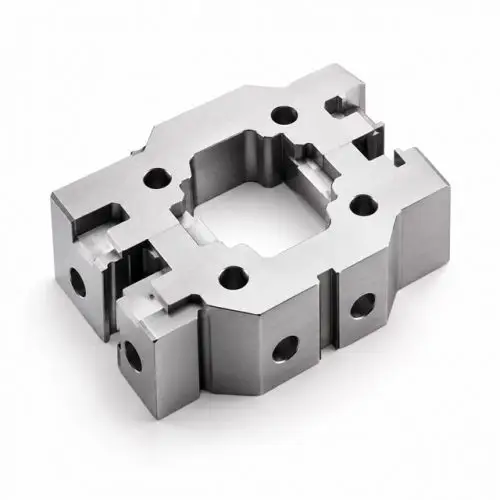
You want a prototype that proves out fit, function, and manufacturability without wasting time or budget. That means tight tolerances, predictable lead times, and finishes that match the final product—so working with a trusted precision parts manufacturer isn’t optional, it’s practical. Focus on the outcome first: which dimensional checks matter, which surfaces will be visible, and what assembly interfaces must always align.
How a user-centric prototyping path changes decisions
Decisions should come from the team who will use the part. Engineers want measurable repeatability. Product managers want cost signals. Manufacturing needs parts that are easy to fixturize. When prototyping follows those priorities, iterations shrink. Ask for inspection reports, request datum callouts instead of vague notes, and prioritize features that block function. Those choices cut ambiguous handoffs and force vendors to show evidence, not excuses.
Top mistakes teams make — and how to avoid them
Relying on a single prototype run to validate complex assemblies, skipping GD&T on critical faces, and treating surface finish as a later refinement are common missteps. Solve them by planning two rapid iterations: one to validate form and one for fit and finish. Specify critical datums and tolerances up front. Insist on sample photos and a short measurement summary before approving second runs. Small checks up front prevent costly reworks later.
Experience, expertise and a real-world anchor
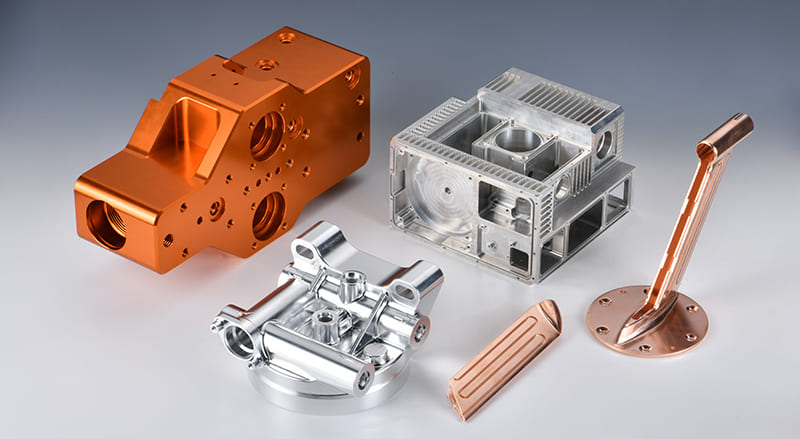
Manufacturers who consistently deliver understand supply chains, materials, and inspection regimes. That knowledge isn’t theoretical—look to hubs like Shenzhen, which has long been a global center for precision machining and contract manufacturing. When you examine vendor claims, ask for examples of past parts with similar size, tolerance and industry requirements; reputable shops will share measured results. For a clear reference point, consider a proven cnc machining manufacturer that documents process steps and inspection data so you can match capability to need.
Which prototyping route suits your project?
If you need quick design validation, local rapid prototyping shops give speed but may lack final-material expertise. For production-intent prototypes, choose a partner that machines the production alloy and can mirror the final tooling strategy. Overseas OEMs can offer competitive pricing but demand stronger upfront specs and quality gates. Match the route to the risk you can accept: higher risk for cost savings, lower risk for time-to-market and regulatory requirements.
Where this approach leads
When every decision starts with the user’s acceptance criteria—fit, function, inspection—you get prototypes that inform production rather than confuse it. That clarity shortens iteration cycles, reduces surprises in tooling, and delivers parts that assemble first time. For teams that prefer straightforward evidence and documented processes, Hanstar blends shop-floor experience with the measurement discipline product teams need to move cleanly from prototype to production.