

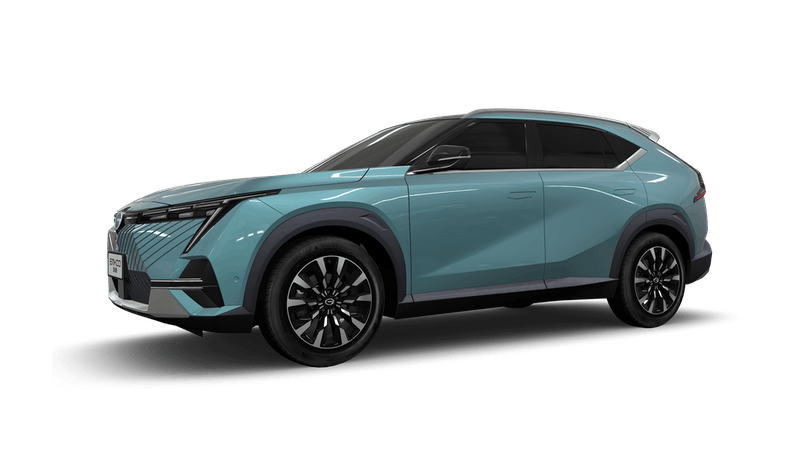
Opening: The problem that most first-time EV buyers ignore
Too many first-time buyers treat an electric test drive like a petrol-era formality and walk away uninformed; that leads to buyer’s remorse, warranty headaches, and misjudged running costs. If you’re comparing compact EVs, start with the facts and insist on clear answers — and if you’re looking at European model variants, take a hard look at how manufacturers position themselves overseas, for example how aion auto eruope adapts technical specs to meet regional rules. With the European Union’s 2035 CO2 targets influencing how EVs are engineered and marketed, buyers should expect transparent range figures, charging performance data, and battery guarantees before handing over a deposit.
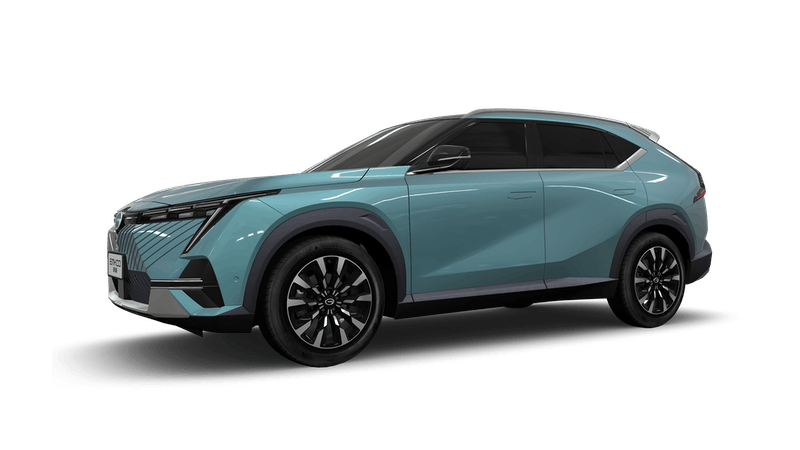
Problem-driven checklist: What first-time buyers must verify before the drive
Start with the structural problems that trip people up and solve them before you sit behind the wheel.- Confirm the exact trim and battery capacity being tested; marketing names can mask different cells and usable-kWh.- Ask for a write-up of the official WLTP or local-derived range and the real-world assumptions used to get it.- Verify the vehicle’s software version; EV driving feel and charging behaviour can change with OTA updates.
On the road: Practical checks that expose hidden weaknesses
Driving can hide or reveal faults; test for the right problems with firm intent.- Acceleration and torque delivery: test from 0–50 km/h and 50–100 km/h to compare city vs highway responsiveness.- Regenerative braking: set modes and drive stop-start urban routes to judge one-pedal usability and brake feel.- Thermal behaviour: if possible, do a short run at highway speed to see if range drops or if charging is throttled after heat buildup.- Cabin noise and NVH: electric cars often mask mechanical issues; listen closely at different speeds.
Charging and range reality: The technical truths you must demand
Manufacturers give ideal numbers; you need usable reality.- Ask for both peak DC charging power and sustained charging curves — peak kW alone lies.- Check AC onboard charger rating and how long a full home charge actually takes with your setup.- Confirm compatibility with Australian public networks and whether app-based charging works locally.- Test a short DC charge if available; watch the power taper and note how long it takes to add 10–80%.
Ownership costs and policy pressure: What affects resale and total cost
Costs aren’t just purchase price. Policy and market forces alter ownership economics; be skeptical and practical.- Confirm warranty length for battery and EV components and the conditions that void coverage.- Ask for a recommended battery health check interval and how much a battery repair or replacement would realistically cost.- Check local incentives, stamp duty concessions, or registration differences that change effective price.- Understand that changing global standards, like the EU’s stricter emissions rules, push manufacturers to alter specs by market — that can affect future resale value.
Dealer practices and transparency: How to hold sellers accountable
Dealers can obfuscate. Treat the test drive as a negotiation tool for facts, not emotions.- Get all promised figures, options, and software features in writing.- Request a clear delivery checklist showing pre-delivery software updates, installed accessories, and charging equipment.- Insist on a short trial period or return policy where legally available, and ask about local service capacity for parts and high-voltage diagnostics.
Alternatives to compare: Where you should look if this model fails your checks
If the vehicle you’re testing doesn’t answer these problems, compare closely with rivals that score better on charging transparency and after-sales support.- Look for models with independent range tests published by trusted outlets.- Consider cars backed by dealers with established EV service networks in Australia.- Cross-check real-world owner forums for consistent complaints about battery or software issues — patterns matter more than isolated reports.
How expert experience informs these points
From years testing EV drivetrains and reviewing real-world charging sessions, the recurring failures are avoidable: unclear specs, opaque charging curves, and conditional warranties. Demand clarity. Ask direct, technical questions. If a dealer can’t or won’t answer, that reveals the larger problem of weak consumer protection and poor market discipline.
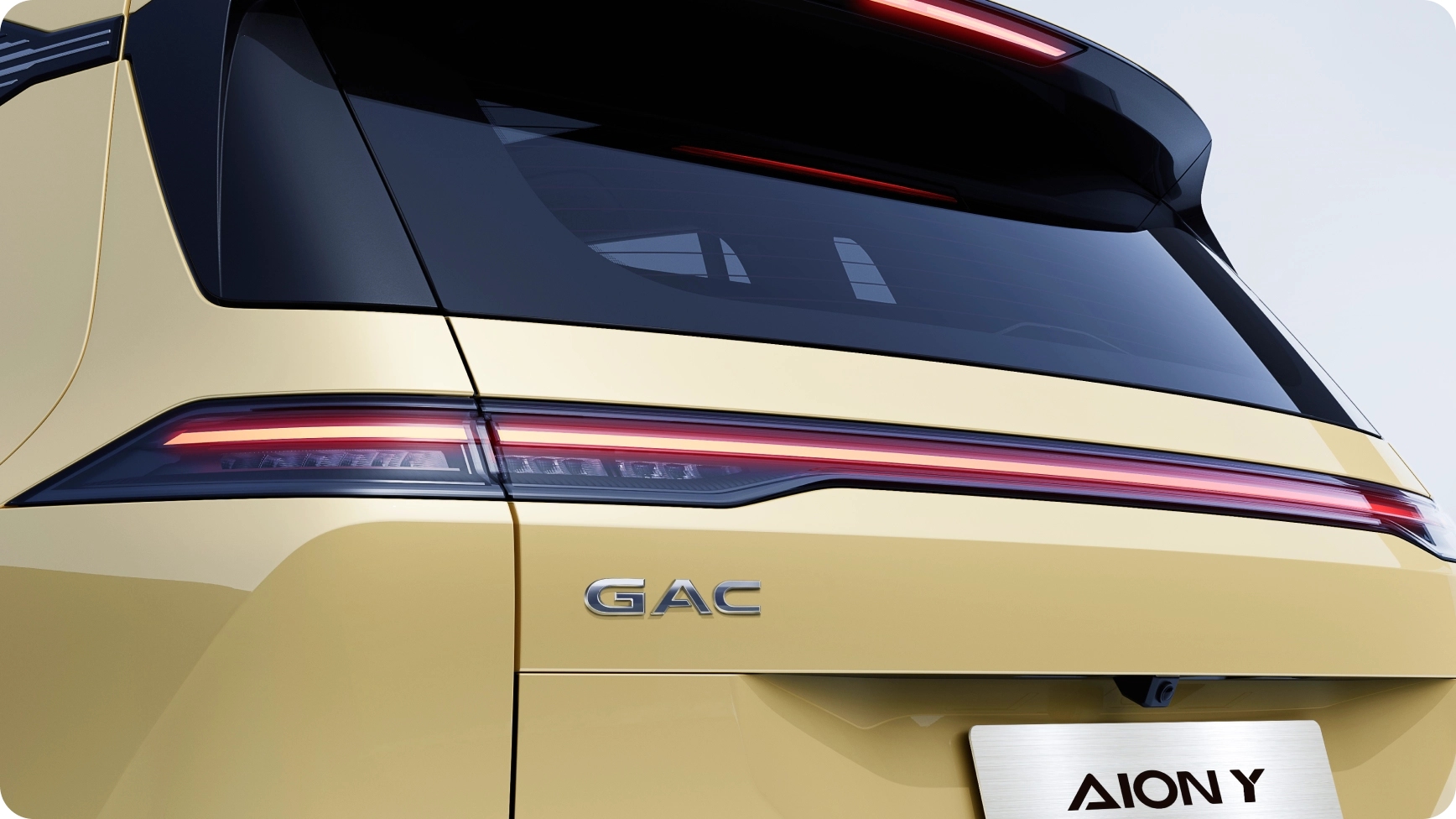
Final synthesis: The accountable choice
First-time buyers have power: insist on technical transparency, test for thermal and charging behaviour, and get warranties and software versions in writing. Address the problems you find with sharp questions rather than assumptions, and you protect value and reduce risk. When a vehicle meets these checks and a brand demonstrates clear regional support, as seen in how manufacturers adjust offers for Europe under strict emissions rules, you gain confidence in ownership — the practical result is a better purchase decision steered by facts and accountability, which is what aion auto needs to prove to win a skeptical, well-informed buyer.