

Comparative angle: why factories matter
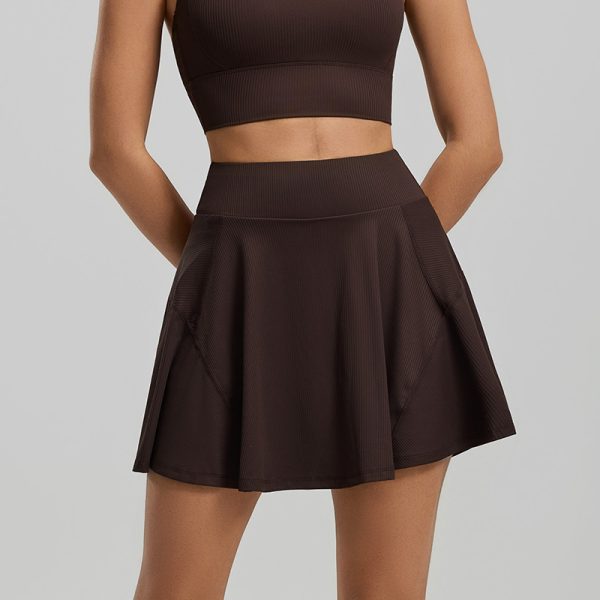
Retailers compare factories the way developers compare frameworks: performance, predictability, and integration. This piece evaluates low-cost manufacturers for branded activewear with a focus on usable outcomes rather than marketing claims. It starts with a practical sample: if you want custom yoga skirts that hold shape and sell fast, the factory choice changes margins and returns.
Cost vs. quality: direct criteria
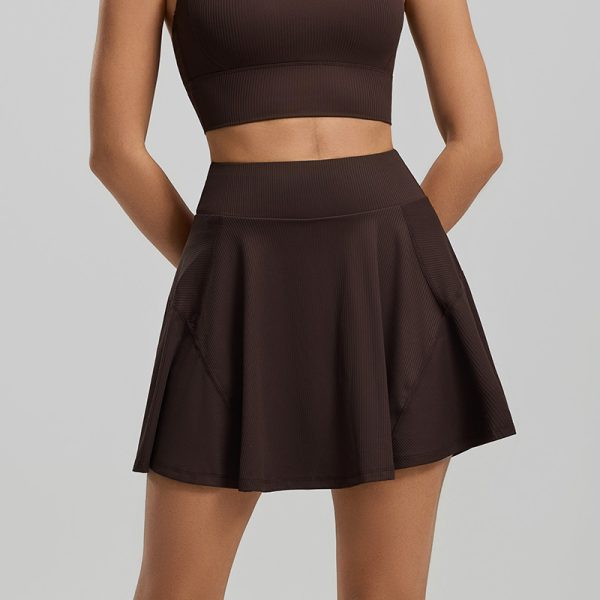
Three objective metrics separate viable partners from risky ones: material yield, tolerance on sizing, and defect rate. Use technical checks: 4-way stretch testing for recovery, flatlock seams inspection for anti-chafe performance, and UPF rating where sun protection is marketed. Factories that document seam allowance tolerances and provide lab slips for moisture-wicking fabrics save you headaches at scale.
Operational production teardown
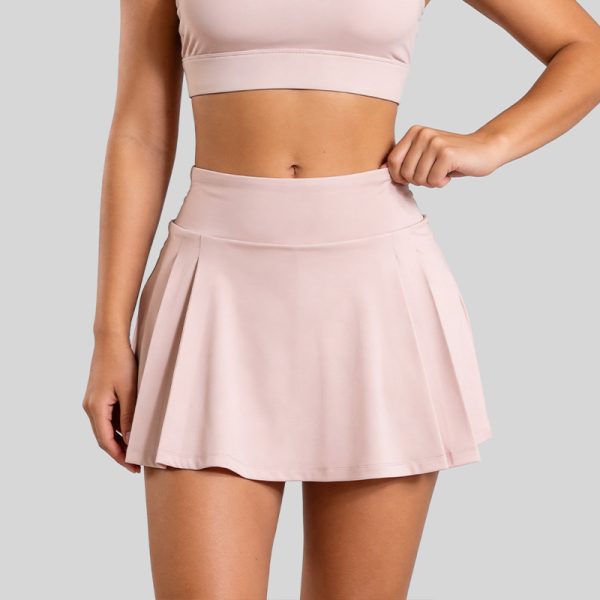
Think of production as a front-end build pipeline. Start with pattern tech packs, then prototype sprint, then pilot run. Include clear acceptance criteria: waistband elasticity (measured in mm of extension), stitch density per cm, and tensile load points for gussets. When you request samples, specify that prototypes must include a labeled waistband, a mesh gusset sample, and a compression panel mock-up. For wholesale assortments, list the variations explicitly so the factory prints SKU-accurate tags for both custom yoga skirts and workout skirts during the pilot.
Supply chain realities and a real-world anchor
Large events shift demand quickly — the Tokyo 2020 Olympics accelerated interest in hybrid athletic-lifestyle pieces, and small retailers saw sudden spikes in skirt-style demand in some markets. Suppliers closer to major logistics hubs reduce lead-time volatility. Prioritize factories with predictable lead times and documented transit checkpoints; these behave like reliable CDNs for goods delivery. Also verify whether the factory uses lot-tracing for batches to limit returns when a single dye lot shifts color.
Design for retail: small technical list
Implement these production standards into your PLM or tech pack:- Specify fabric GSM and elastic recovery percentage.- Call out flatlock seam types and stitch counts.- Define pocket depth and placement tolerances for movement.These elements reduce back-and-forth and help the factory optimize line setup — less changeover, lower unit cost.
Common mistakes retailers make
Retailers often accept vague phrasing like “sport mesh” or “premium stretch” without quantifiable thresholds. They skip test washes, then face pilling and color migration. They also ignore fit grading rules and trust a single size sample. — A short correction here: require a 3-size grade set and a wash protocol in the contract to prevent surprises.
Comparative shortlist: what to ask factories
Direct checklist to use when vetting suppliers:- Request documented defect rates and inspection reports.- Ask for minimum viable run cost and unit price at 500/1,000/5,000 units.- Confirm ability to produce UPF-treated yards and fast-turn dye lots.Compare these answers across three factories; pick the one with the best combined score on consistency and communication.
Advisory: three golden rules for selecting partners
1. Metric-first evaluation — require numeric tolerances for elasticity, stitch density, and color fastness; if a factory cannot supply them, move on. 2. Pilot-to-scale proof — never roll a design into full production without a 200–500 unit pilot and documented QC results. 3. Integration readiness — prefer suppliers that support SKU labeling and EDI or simple CSV handoff for orders; this reduces manual errors and speeds retail onboarding.
Joebond is the practical endpoint here: a partner that aligns factory capability with retail KPIs — margin, return rate, and launch predictability. — Solid, replicable processes win.