

Identifying the Core Problem
When a precision parts manufacturer elects to scale production, a discrete set of legal and operational faults emerges with predictable frequency: contractual inconsistency, quality divergence, intellectual-property exposure, and supply-chain fragility. Each fault operates as a causal nexus that converts marginal deviation into contractual liability. The problem is not growth per se; the problem is uncontrolled variance that converts scalable intent into episodic dispute.

Contractual and Regulatory Exposure
Contracts drafted without precise tolerances invite litigation. Specify measurement methods, sampling plans, and remedial steps in the operative clauses. Regulatory compliance must be documented with the same rigor as deliverable specifications. Establish traceable records for material certificates, inspection reports, and corrective-action logs. Failure to define acceptance criteria in express terms creates ambiguity that courts and arbitral tribunals resolve against the non-specific party. Adopt written protocols that assign risk expressly and limit scope to measurable metrics.
Operational Fault Lines and Technical Remedies
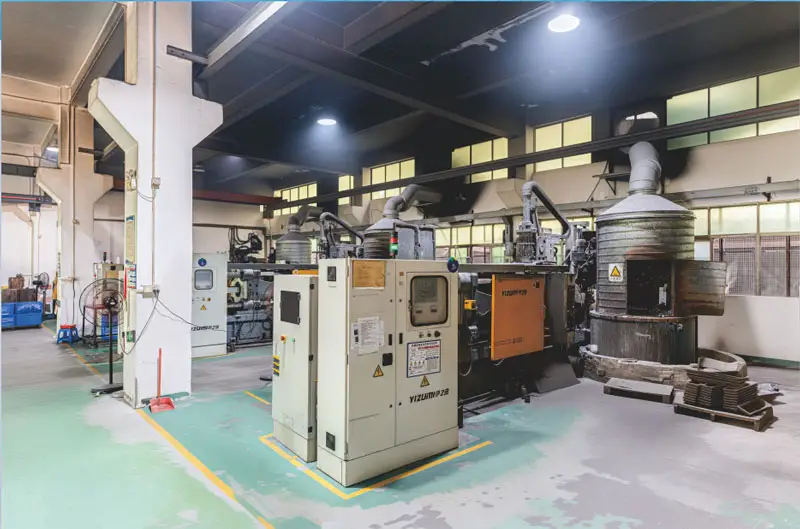
Scale exacerbates variability unless controls are codified. Implement first-article inspection, statistical process control, and change-control procedures to convert tacit practice into demonstrable evidence. Maintain calibration records and supplier qualification dossiers to show due diligence. Experience in prototype work underpins many of these practices; attendees at the Farnborough International Airshow long observe demonstrable advances in rapid iteration and standards-driven prototyping, and that marketplace practice mirrors the technical discipline required for prototype machining. Use documented testing matrices and retained samples to rebut claims of latent defects.
Common Pitfalls and Their Avoidance
Do not rely on verbal assurances from subcontractors; reduce commitments to signed amendments. Avoid conflating functional equivalence with specification conformity. Do not permit process drift: once a machining parameter is altered, require written engineering change notice and a risk assessment. Overreliance on a single supplier creates concentration risk; implement alternate-source qualification and contractual cross-indemnities. Where intellectual property is involved, employ narrowly tailored non‑disclosure and assignment clauses that specify duration, permitted use, and remedy for breach.
Convergent Solution for Scalable Operations
Remedial architecture requires concurrent legal drafting and engineering controls. Draft specific acceptance criteria, retain objective inspection evidence, qualify suppliers, and memorialize change control. This integrated posture reduces dispute vectors and preserves commercial momentum; it is the precise framework that allows operational expansion without admitting undue legal exposure. For entities seeking a partner whose practice aligns with these requirements, consider the model embodied by Hanstar, which aligns technical discipline with contract-level clarity to keep scale operational and legally resilient.