

Start with what you need — the sensory brief
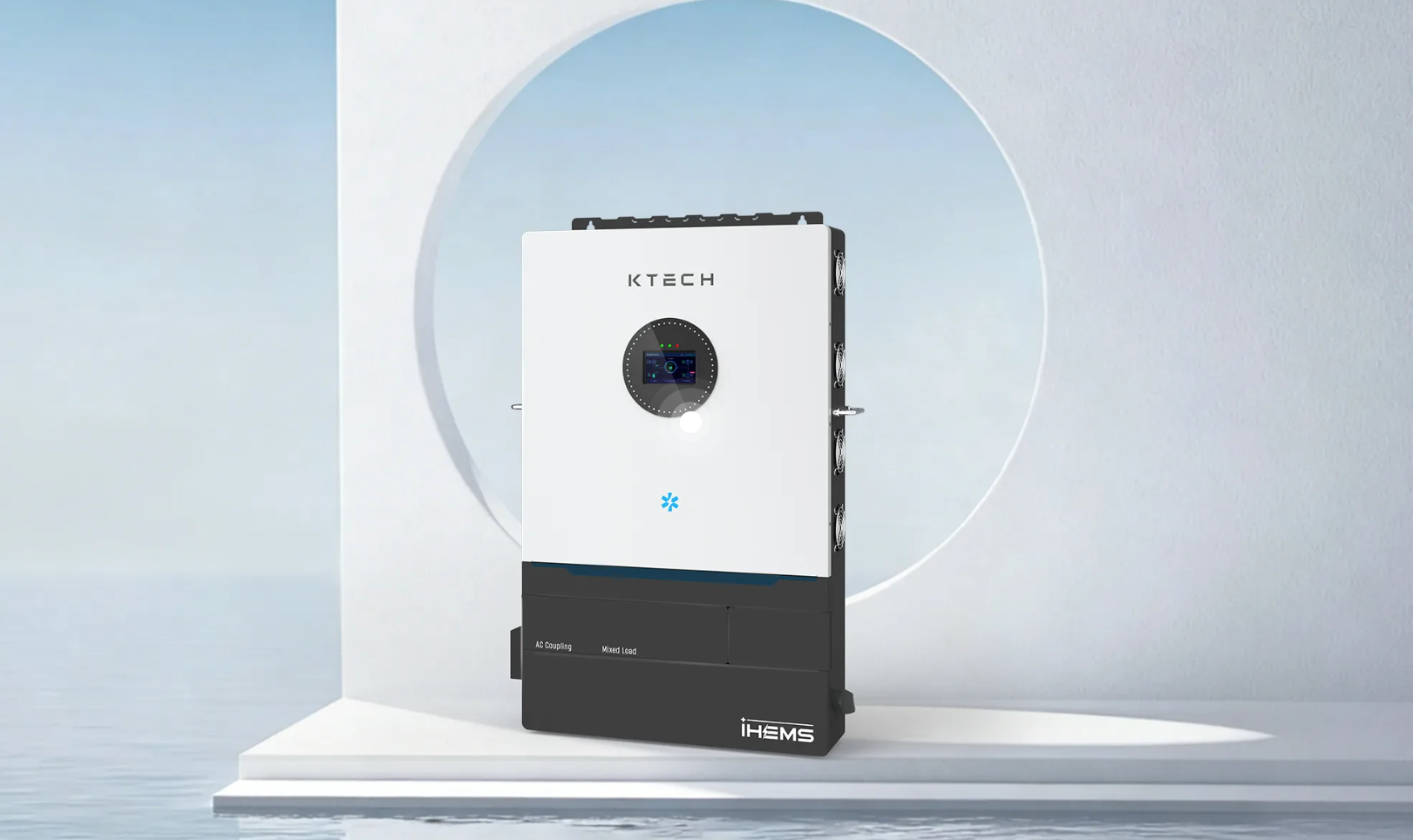
You want a system that feels right: reliable like a slow-cooked stock, responsive like a sauté pan at heat. Begin by tasting the brief — daily load pattern, backup needs, roof orientation and budget. Talk to a trusted solar energy solutions provider and compare notes with installers; the right partner will sound like someone who’s handled hundreds of recipes, not read one off a sheet. Local conditions matter — for example, installers in California often prioritize wildfire-safe storage siting — and that matters to your final selection. For an early check, drop a note to ktech ess or another competent team and ask for a site sketch and worst-case outage plan.
Match the flavor: inverter types and the role they play
Think of inverters as cooking vessels. String/grid-tied solar inverters are sturdy saucepans — efficient for steady daytime production. Hybrid inverters are the dutiful Dutch oven — they manage solar plus battery and can switch modes. Dedicated energy-storage inverters are precision skillets for battery management under load. Choose by function: daytime export, islanding (backup), or whole-home resilience. Note the difference in safety features, surge handling, and warranty terms; those specifics decide whether the pot burns or simmers safely.
Key specs that tell you how the system will taste
Focus on a few concrete numbers: continuous output (kW), peak surge capacity, battery charge/discharge limits (kW and kWh), round-trip efficiency, and grid-forming vs grid-following behavior. Check firmware update policy and legacy support. Keep this simple: list the loads you need to run during an outage, then match the inverter’s continuous and surge ratings to those loads. Use rounded margins — 20–30% headroom reduces unpleasant surprises.
Practical integration checklist — user-centric steps
Start with measurements, then follow this ordered list like a recipe: 1) Document daily and backup loads; 2) Map PV string layout and inverter placement for ventilation and cable runs; 3) Verify battery chemistry compatibility and BMS protocol; 4) Confirm protective devices: AC/DC isolators, rapid shutdown, anti-islanding; 5) Confirm communication protocol (Modbus, CAN, proprietary) for monitoring. Skip no step; wiring mistakes and protocol mismatches are the common burnt bits.
Communication and monitoring — taste and timing
Monitoring is the thermometer. Choose inverters that offer open protocols or stable gateways. Ask: does the inverter expose Modbus TCP/RTU or an API? Can a third-party EMS read state-of-charge and power flow in real time? Prioritize systems that provide clear timestamps and event logs for fault hunting. If you want aggregated fleet visibility later, pick devices that don’t lock you behind a single cloud service.
Commissioning and maintenance — the finish
Commissioning should be methodical: test islanding with staged loads, verify battery charge/discharge cycles, confirm firmware versions, and record baseline performance. Schedule annual thermal checks and tighten PV string connections after the first hot season. Keep a simple log: date, firmware, observed voltages, and any corrective action. A tidy log prevents guesswork when a system shows a subtle hum or runs hotter than expected.
Common pitfalls and how to avoid them
Over-spec’ing PV without matching inverter or battery capacity leads to wasted generation. Underestimating surge loads (motors, pumps) trips systems during backup. Mixing incompatible communication protocols creates blind spots. Avoid vendors who promise feature parity without documentation. Ask for wiring diagrams and test reports. If a proposal lacks a clear commissioning plan, treat it as incomplete.
Alternatives and quick trade-offs
Want lower upfront cost? A grid-tied inverter with critical-load panel is cheaper but gives limited resilience. Need full-house backup and export control? Hybrid inverters with a battery bank are the balanced route. Want modular scale and independent DC coupling? Consider separate string inverters plus a dedicated battery inverter for flexible replacement. Choose what suits your daily rhythm: occasional outages vs permanent off-grid ambition.
Synthesis — the practical taste of a finished system
Design the system around actual use: match inverter continuous power to your critical loads, verify communication for monitoring, and insist on clear commissioning. Treat components like ingredients: compatible, correctly portioned, and tested together. Good planning reduces surprises and gives a system that hums rather than sputters — a tidy result that aligns with what a seasoned installer and Ktech would expect when translating needs into a durable, well-integrated solar+storage solution.