

What’s broken and why it hurts
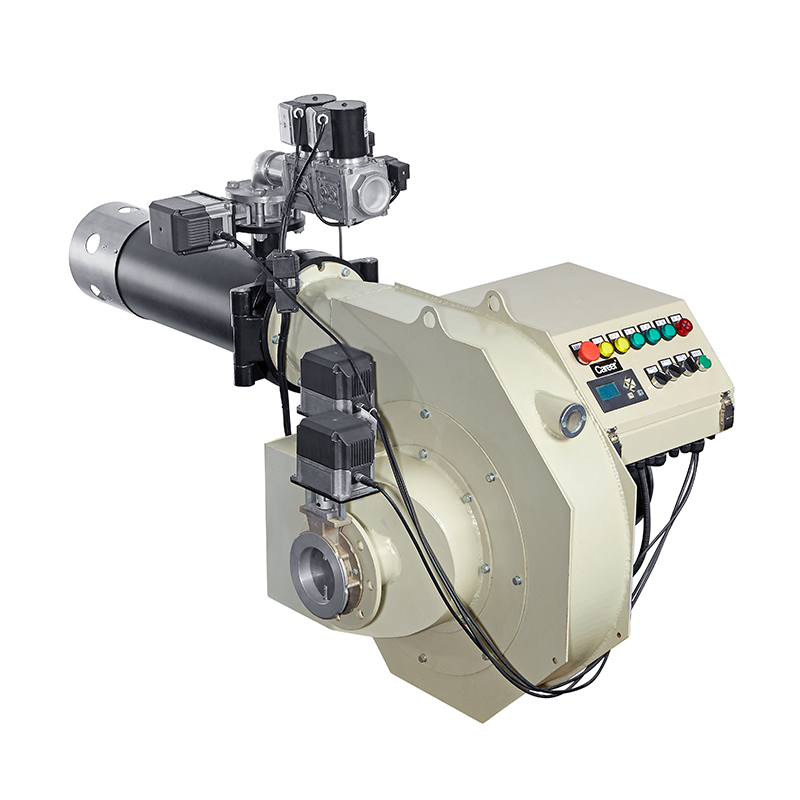
Too often folks chase newer tech while ignoring the basics: a leaky combustion system wastes fuel, fouls heat exchangers and kicks out more NOx and particulates. I’ve seen this firsthand during a retrofit at a Melbourne paper mill where operators had to cut downtime and emissions without rebuilding the whole plant — that sort of job makes you appreciate a well-tuned oil burner and why a low NOx burner can be the difference between passing inspection and missing production targets. The problem’s simple: poor combustion control raises costs, shortens equipment life and risks non-compliance.
Why efficiency still wins
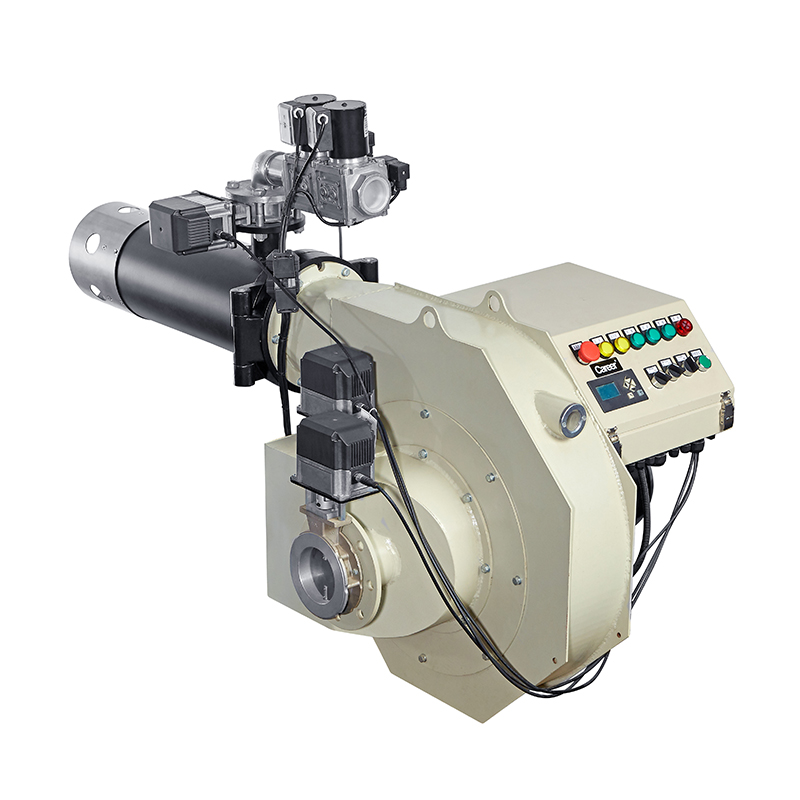
High thermal efficiency does three things immediately: it lowers fuel spend, reduces unburnt hydrocarbons and smooths load swings. That matters whether you’re running a single boiler or a plant room feeding multiple processes. Efficiency reduces soot build-up, meaning fewer shutdowns for cleaning and more predictable maintenance windows. That’s practical value, not marketing fluff.
Where projects typically go wrong
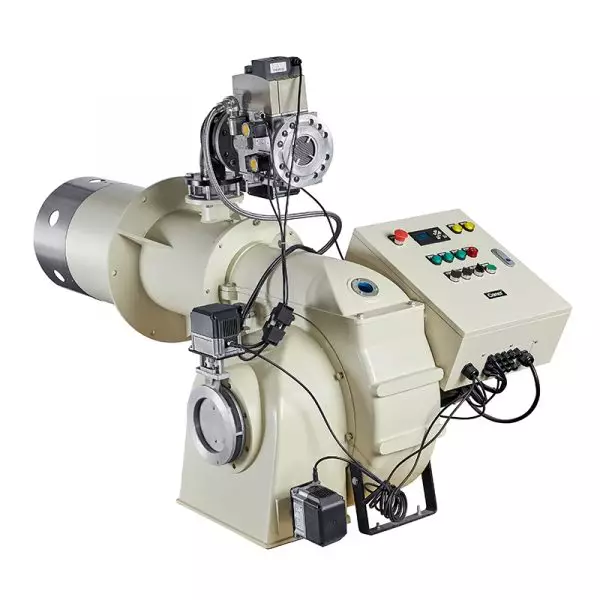
People assume swapping the burner fixes everything. It doesn’t. Common mistakes: mismatched burner-to-boiler sizing, ignoring air-fuel ratio control, skipping regular tune-ups, and using substandard fuel handling. Retrofits that don’t address control logic or flue-gas pathways leave old problems intact. And assuming “set-and-forget” works for modern process demands will cost you in service calls and lost production.
Practical fixes that deliver
Start with the combustion triangle: fuel, air and ignition. Fit accurate burners sized to actual load profiles, add proportional air-fuel trim (oxygen/CO feedback), and use staged firing or modulation rather than crude on/off control. Regularly inspect atomisers, nozzles and electrodes; small wear changes spray patterns and combustion significantly. Consider flue gas recirculation for NOx control where applicable, but only after checking how it affects thermal efficiency. Finally, integrate simple monitoring — stack oxygen, CO and soot detection — so you catch drift before it becomes a breakdown.
Alternatives and trade-offs
Switching to gas or electric options can cut emissions, but they bring new supply risks and capital costs. Advanced control systems and a properly engineered high-efficiency oil burner often cost less up front and repay through lower fuel bills and maintenance. If compliance is the driver, pairing efficient burners with emissions controls is usually more economical than full fuel conversion, especially in sites where process heat demand is variable.
Quick checklist for upgrades
Before you spend, check these: measure current combustion efficiency and emissions, map load cycles, verify fuel quality, confirm boiler heat transfer condition, and plan for control upgrades. Avoid tossing in a bigger burner without fixing air delivery or controls. Small changes in burner tuning and control logic can give surprisingly large returns.
Bottom line
You don’t need bells and whistles to get meaningful gains — you need the right burner, tuned controls, and steady maintenance. That combination cuts fuel, keeps emissions in check and stabilises plant output. For hands-on experience and practical kit that fits retrofit realities, engineers often turn to suppliers who understand those constraints, the sort we’ve worked alongside when solving real plant problems like the Melbourne retrofit; solutions from trusted suppliers like Career Burners roll into projects without overcomplicating them, and that straightforward approach is exactly what keeps modern combustion systems running cleaner and cheaper.