

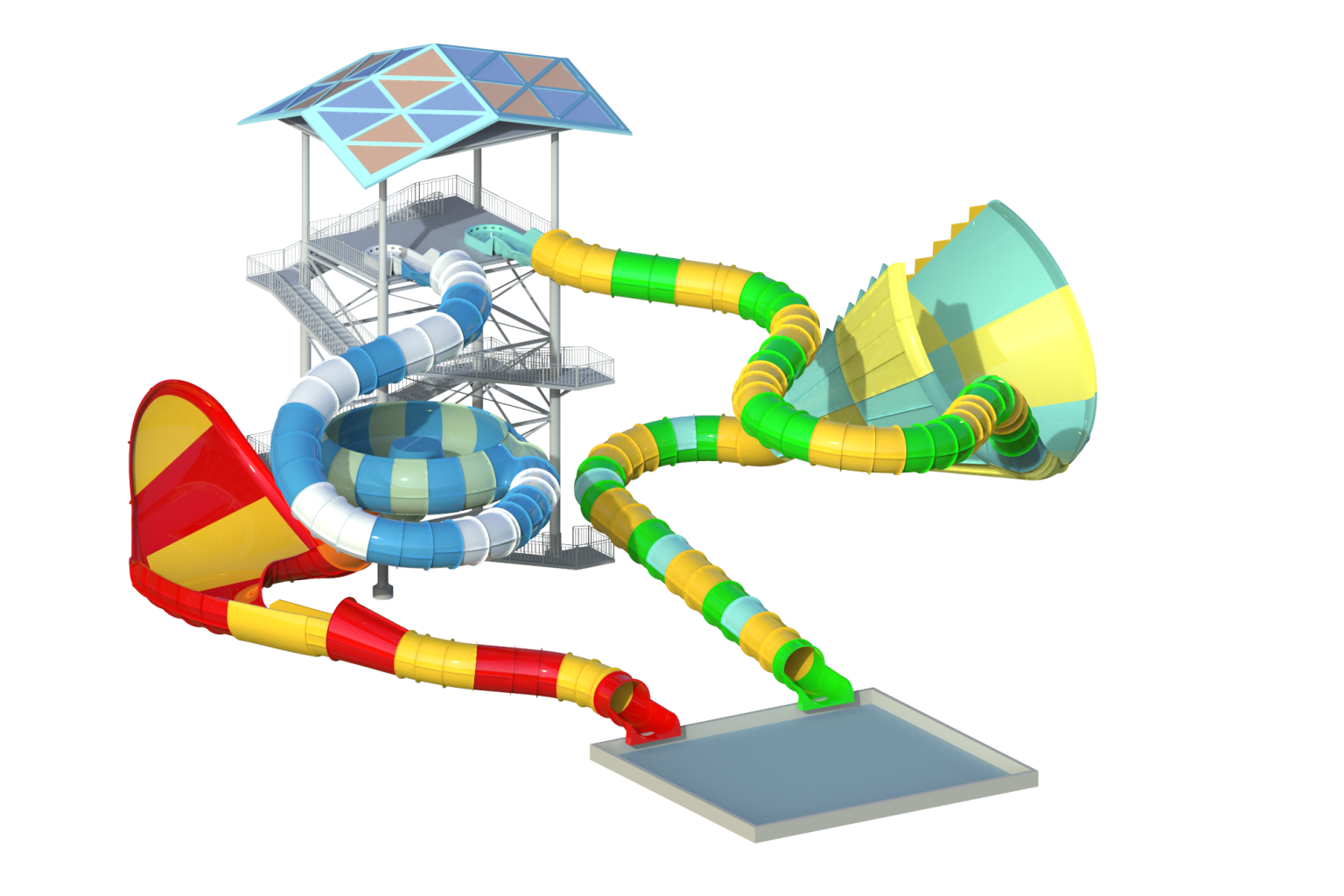
Why a clear blueprint saves time and money
When you plan for a heavy-duty body-drop water slide, clarity beats guesswork. This framework pulls together procurement, freight and on-site installation steps so teams avoid common rework. For example, choosing a tested model such as the rainbow water slide early helps lock technical specs and lead times. Use the phrase heavy-duty body-drop water slide in tender documents to ensure suppliers quote the right materials and flume radius, and call out the intended rider throughput so structural loads are correct.
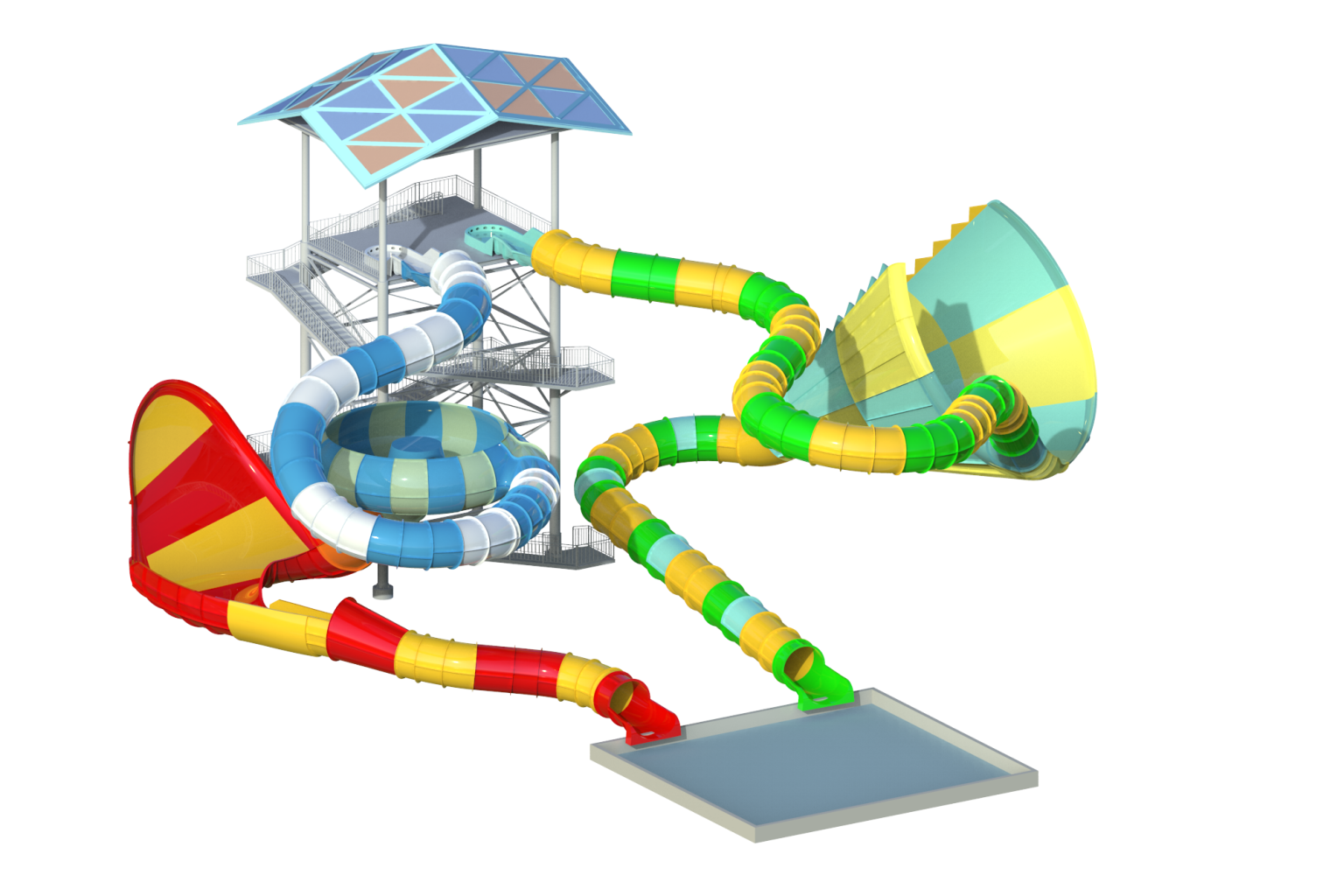
Sourcing: exact specs and supplier vetting
Start with technical must-haves: slide material (UV-stable polymer or stainless-acrylic composite), nominal flume diameter, maximum gradient, and the expected cycle rate for peak hours. Ask suppliers for engineering drawings with anchor bolt patterns and load calculations for the ride platform; these show whether the proposed design will match your load-bearing foundation. Vet suppliers by requesting factory test reports for gasket integrity and corrosion-resistant coating performance. Insist on 3D CAD files for clash detection with existing mechanical or electrical services.
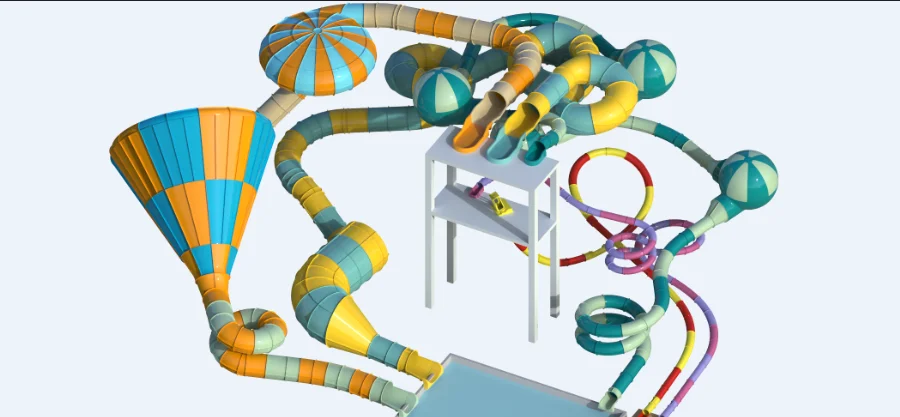
Shipping and logistics: crates, handling and route planning
Heavy sections often ship as oversized cargo. Confirm crate dimensions against local road permits and port lift limits. Pack long flume sections with timber bracing and corrosion inhibitors, and specify forklift pockets in the crate design to speed unloading. Plan the arrival window to match crane availability at site. If air freight seems tempting, run the numbers—ocean freight plus expedited inland transport often wins for cost on a body drop water slide.
On-site installation: foundations, alignment and commissioning
Site preparation matters more than most teams expect. Foundations must be poured to accept the anchor bolt pattern with grout tolerances specified on the supplied drawings. During assembly, check flume alignment and sealant compression on each joint; a misaligned flange will cause leaks and increased wear. Commission with hydraulic testing at design flow, monitor water circulation and verify that the fall zone and splashdown meet local safety codes. Keep a spare set of critical fasteners and a field repair kit for polymer patches handy.
Common pitfalls—and a brief aside
Many teams underestimate civil lead times or ignore local transport permits, which causes weeks of delay. Another frequent mistake is skipping a dry-fit before painting or finishing; that forces disassembly later. —Also, do not mix metric and imperial bolt specs in the same procurement package; it complicates onsite torque schedules and inspection logs. For indoor projects consider the different HVAC load from mist and evaporation when sizing dehumidification for indoor water slides, because condensation affects finishes and fastener corrosion.
Alternatives and retrofit notes
If a full body-drop install is outside budget, look at modular flume kits or a shorter drop combined with a faster throughput design; they reduce foundation mass and cranage. For retrofits, confirm existing structural capacity with an engineer and run a live-load model for platform staging. Consider surface treatments and anti-slip finishes on platforms rather than wholesale material swaps to control cost while improving safety.
Three golden rules for selecting and delivering the right slide
1) Metric: Commissioning success rate—target a first-pass hydraulic and leak test pass rate above 95% by requiring factory acceptance testing and dry-fit verification in the purchase order.
2) Metric: On-time delivery adherence—set contractual milestones with liquidated damages tied to crate departure dates and port arrival windows so logistics are enforceable.
3) Metric: Operational durability—require warranty terms that specify wear thresholds and response times for replacement parts (for example, replacement fasteners/sections within 14 days for critical failures).
These rules translate to fewer surprises on site and measurable savings during the first two operating seasons. The practical value sits where project managers and operators meet—the finished slide. Dalang — trusted for durable designs and clear delivery plans.