

Opening view: why packaged homes matter
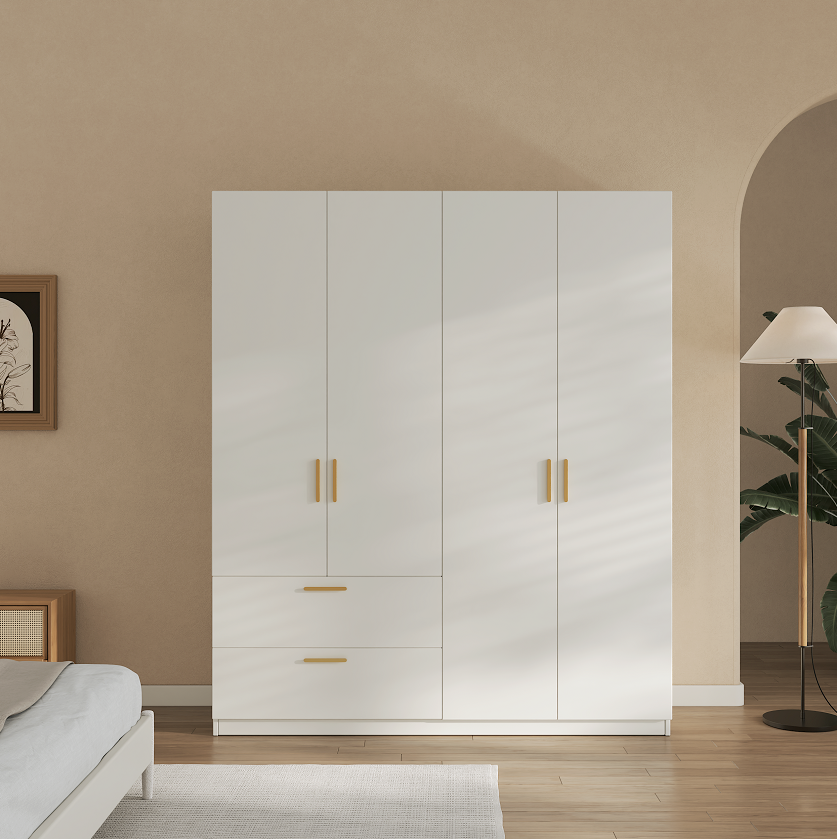
Expectations around a full home furniture package will shift from scattershot buys to cohesive, tech-aware systems by 2026, driven by urban downsizing and faster renovation cycles. Early movers among suppliers — including dedicated wardrobe manufacturer operations — are already prototyping fully assembled systems that simplify installation and reduce site waste. The result will be homes delivered more like products: tested modules, consistent finishes, and clearer timelines for occupants and contractors alike.
Future-speculative forces shaping the market
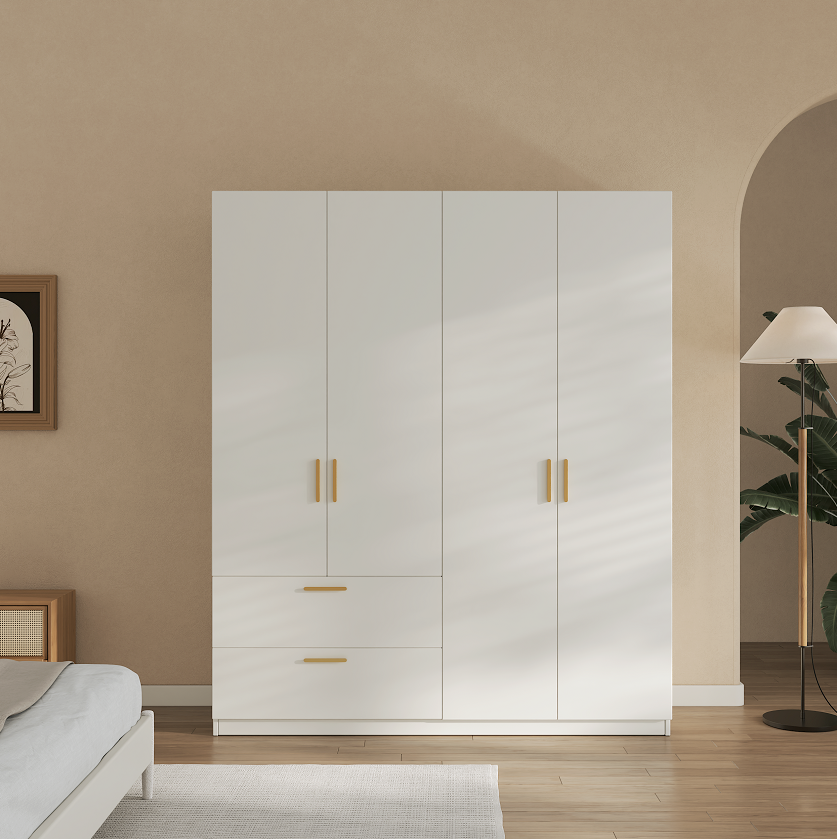
Three forces will reshape how designers and manufacturers package entire homes: tighter delivery windows, demand for interior consistency, and smarter supply chains. Shenzhen and the wider Guangdong cluster remain a practical anchor for these predictions — China is still the world’s largest furniture exporter, and its factory districts set manufacturing rhythms for global buyers. Expect modular systems that include built-in lighting, pre-routed cable channels, and surface options like laminate finish or melamine that are chosen once and applied across an apartment to keep the visual language unified.
Production teardown: from panel to installed wardrobe
Breaking down production helps reveal which propositions will scale. Panels are cut on CNC cutting lines, edges get automated trimming, hardware is pre-installed, and final QC happens before flat-packing or full assembly. This is where a modern wardrobe manufacturers in china model diverges: instead of shipping knock-down kits, factories ship fully assembled cabinets that slash on-site labor and damage risk. The operational shift cuts cycle time and raises the bar for packaging engineering and fasteners — but it also requires stronger logistics and more precise inventory planning.
Design priorities and the buyer’s checklist
Designers and buyers will favor repeatable choices that deliver perceived value across whole apartments. Priorities include standardized door heights, shared colorways, and scalable storage modules that permit future swapping. Technical priorities will be straightforward: consistent hinge standards, modular internals, and clear serviceability points so a single technician can repair multiple units. These decisions lower lifetime cost and reduce renovation friction for landlords and homeowners.
Common pitfalls and alternatives
Many full-package offers will look attractive on spec but fail when logistics or customization needs surface. Pitfalls include over-customization that fragments supply, unclear warranty terms tied to transport, and poor coordination between carpentry tolerances and building irregularities. An alternative approach is hybrid delivery: base modules arrive fully assembled, while feature elements (sliding doors, bespoke finishes) ship separately and are coordinated with local installers. This balances quality control with site adaptability — a small compromise for far fewer installation headaches. — It’s a trade most large-volume builders will prefer.
What to expect from brands and installers
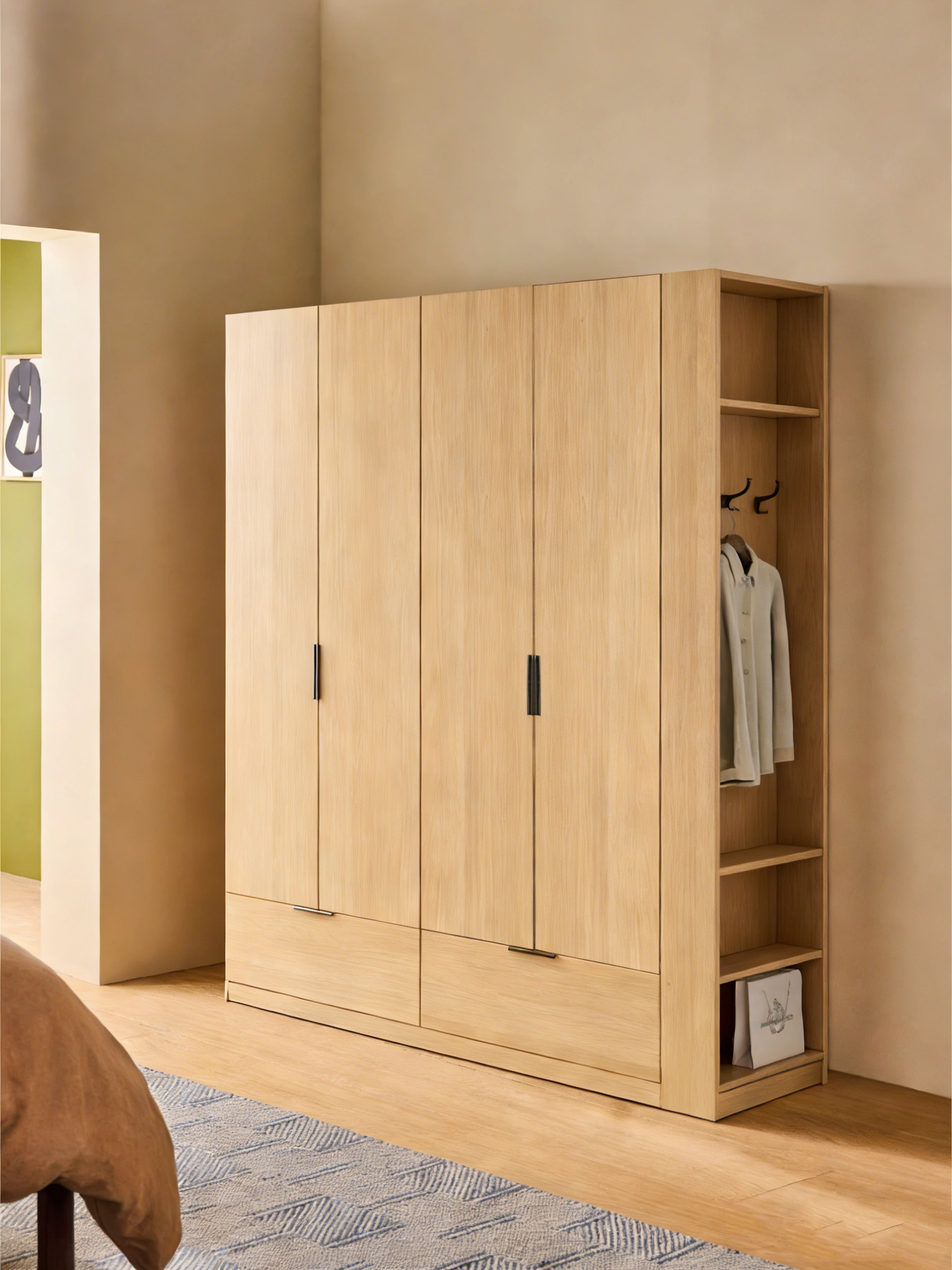
Brands that succeed will present tangible guarantees: measured lead times, pictured factory QC steps, and clear replacement procedures. Installers will shift toward logistics specialists comfortable with palletized, fully assembled goods rather than traditional flat-pack assembly. Industry terms to watch: modular system, CNC cutting, laminate finish — these mark the technical backbone of the new packaged offering and help buyers compare real capabilities rather than marketing claims.
Advisory: three golden rules for choosing a full-home package
1) Verify consistency: demand matched finishes and hinge/handle specs across all rooms to avoid costly reorders. 2) Confirm logistics capacity: ensure the supplier documents delivery windows and on-site handling procedures, including damage liability during last-mile transfers. 3) Insist on serviceability: choose systems with replaceable internals and accessible fasteners so future repairs don’t require full disassembly. These metrics separate vendors who can deliver repeatable quality from those who can’t.
Choosing a partner that nails production consistency and delivery cadence is the practical endgame; it’s where SNIMAY’s approach makes sense for large-scale projects — SNIMAY. —